The Netherlands delivered a heavy 5-1 World Cup win over Sweden in Group F at Houston Stadium, with Brian Brobbey and Cody Gakpo each striking twice and Crysencio Summerville also scoring, while Anthony Elanga offered Sweden a brief response, as both teams now look ahead to vital group fixtures.
That result extended the Netherlands’ unbeaten World Cup sequence to 14 matches since losing the 2010 final to Spain, excluding penalty shoot-outs, now the longest such run in tournament history, while Sweden suffered a World Cup defeat by three or more goals for the first time since losing 5-2 to Brazil in the 1958 final.
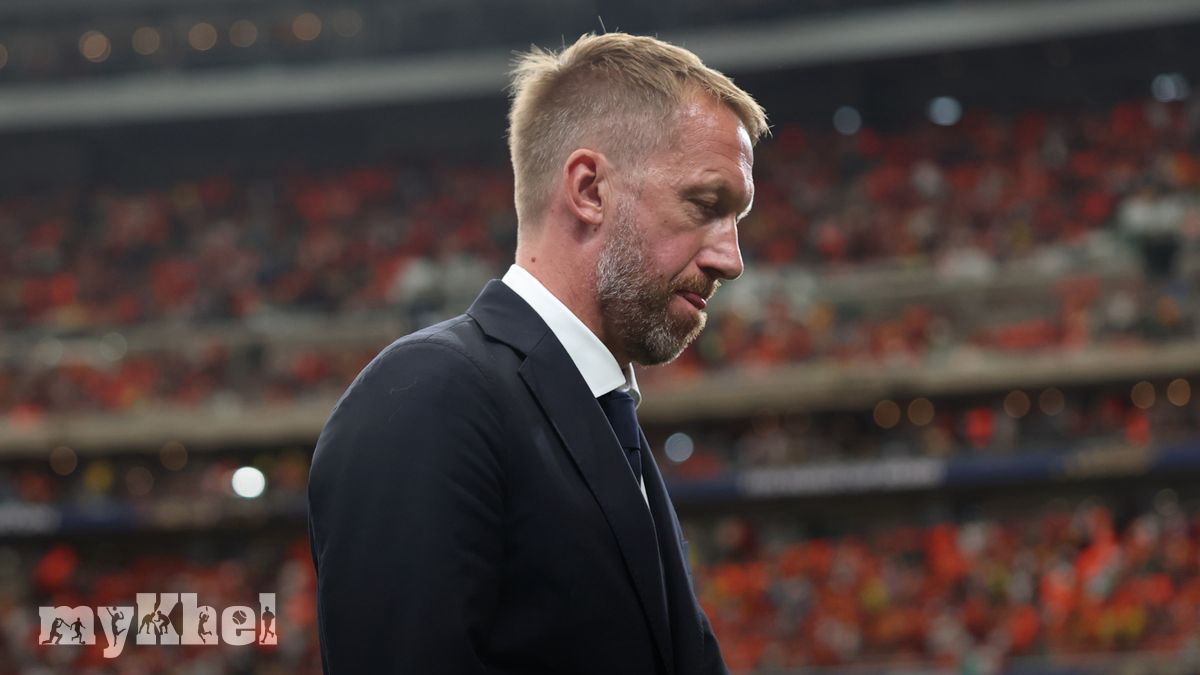
On Saturday at Houston Stadium, Ronald Koeman’s side raced into a four-goal lead before the 59th minute, with Brobbey and Gakpo sharing the first four goals, Elanga then reducing the deficit, only for Summerville to restore the four-goal margin late on and complete a punishing night for Graham Potter’s Sweden.
Despite the scale of this loss, Sweden still hold a strong position in Group F, helped by the earlier 5-1 victory over Tunisia, while Tunisia now meet Japan in Monterrey, a fixture that will further shape the group as Sweden prepare for a crucial meeting with Japan in their final pool match.
Sweden’s defeat underlined a difficult longer-term pattern in World Cup group matches against European rivals, as they have now managed only two wins from their last 15 such fixtures, drawing five and losing eight, after previously beginning this campaign with three straight victories before the heavy setback against the Netherlands.
Potter highlighted both positive attacking spells and serious defensive lapses, especially in Sweden’s wide areas and against direct balls in behind, while also stressing that the squad must treat the experience as part of a learning process before facing Japan, a match that comes soon after the emotional swing of two successive 5-1 scorelines.
“Obviously, really disappointed. It was a tricky one to analyse, we did lots of good things,” Potter said. “We attacked, had good opportunities, but you can’t concede that many and hope to win. We’ll learn a lot from the game. We played against a good team. They hurt us in wide areas and one goal was from a long ball we didn’t deal with well. It was not a great start in the first period [but we]then came back in the second part of the first half. We started well in the second half, but lost the ball, conceded two goals and the game was gone from us. The boys kept going, but it is one of those things we’ll learn a lot from.”
World Cup Group F: Netherlands performance, Brobbey impact and Koeman verdict
Brobbey’s display provided a major highlight for the Netherlands, as the Sunderland forward became only the second Netherlands player to score a brace on a first World Cup start, matching Johnny Rep’s achievement against Uruguay in 1974, while also registering the Netherlands’ second-fastest World Cup goal from open play at 3 minutes 59 seconds.
That early strike placed Brobbey behind only Phillip Cocu, who scored even earlier against Mexico in 1998, and underlined why Koeman promoted Brobbey into the starting lineup, with the forward’s movement and finishing helping the Netherlands exploit Sweden’s defensive issues and maintain momentum in the group after the 2-2 draw with Japan.
Koeman welcomed the scoreboard but pointed out that the Netherlands still left spaces and reacted slowly at times to Sweden’s adjustments, suggesting that the team needs more consistent control if they want to match their statistical run with performances that are as dominant as the final 5-1 scoreline suggested.
“A great result, but we couldbe better. Then you play a complete match. And this match was almost like that. Despite the 5-1 victory, you do see moments where, if they start playing differently, it takes us too much time to recognise that, which meant we got into a little too much trouble before the break.”
Koeman also reflected on the mental side after dropping points against Japan, saying that the squad understood the stakes yet played without visible tension, which for Koeman confirmed that the reaction after the opening draw had been calm and focused rather than anxious inside the Netherlands’ camp.
“So there was more pressure to win this match. We knew it was a must-win,” Koeman added. “But I didn’t feel any tension. As a coach, you can feel how people are working after a first match like that and what the players’ input is. Then you know things are on the right track.”
The result leaves the Netherlands leading Group F and extending a historic unbeaten World Cup streak, while Sweden remain in realistic contention thanks to their earlier victory over Tunisia, with both teams now using contrasting emotions from the 5-1 scoreline as preparation for defining matches against Japan and Tunisia.
Story first published: Sunday, June 21, 2026, 4:44 [IST]
About the Author