
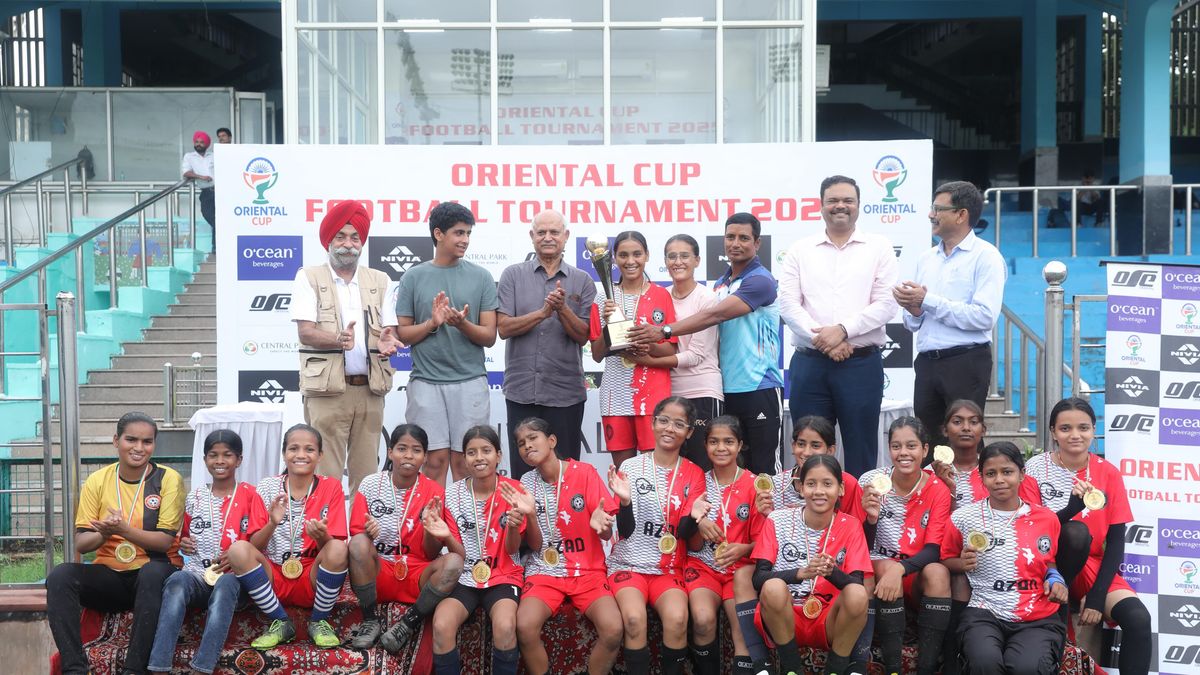
The Oriental Cup is preparing to return for its fourth edition later in 2026, with the Delhi-NCR school football tournament aiming to build on three years of steady growth. The competition has positioned itself as a structured platform for student footballers, especially at a stage where regular competitive matches remain limited for many school teams.
Launched in 2023 by student-athlete Fareed Bakshi, the tournament has grown from a school-level football initiative into a recognised event on the Delhi-NCR sports calendar. Its organisers say the next edition will continue to focus on competitive exposure, girls’ participation, sportsmanship and wider school engagement through football.
The Oriental Cup’s rise has been helped by a clear gap in the school sports ecosystem. Many schools have football teams, but students often need more organised tournaments to test themselves against different opponents. Events such as this give young players match experience, pressure situations and a clearer understanding of competitive football outside internal school fixtures.
Oriental Cup 2026 to build on three editions of growth
The 2025 edition was held in July at Dr. Ambedkar Stadium, one of Delhi’s most recognised football venues. That tournament featured 36 school teams across boys’ and girls’ categories, making it the largest edition so far. Delhi Public School, RK Puram won the boys’ title, while Government Girls Senior Secondary School, Faridabad finished as champions in the girls’ category.
Previous editions have also produced a varied list of winners, which points to growing depth across participating schools. Air Force School, Subroto Park and Apex School have won earlier titles, while Sanskriti School has emerged as a two-time champion in the girls’ section. The changing pool of winners has helped make the event more competitive with each edition.
For school footballers, that consistency matters. A tournament that returns every year gives coaches a target to plan for and students a platform to prepare around. It also gives younger players a visible pathway, as they can watch senior school teams compete before eventually representing their own age group or school side.
Announcing the return of the tournament, Co-Founder Fareed Bakshi said, “What began as an idea to create more opportunities for school footballers has evolved into a platform that brings together young athletes, schools, coaches, and supporters from across the region. The response we have received over the last three years has been incredibly encouraging, and we are excited to continue building on that foundation. Our vision remains unchanged — to provide student-athletes with meaningful competitive opportunities while fostering a strong football culture at the school level.”
Girls’ football remains a key focus for the Oriental Cup
One of the tournament’s more important stated goals is to increase participation among girls. The 2025 edition had more than 200 girls competing, a significant figure for a school-level football event in the region. That number also reflects a wider change in how schools and families are viewing girls’ participation in team sports.
Girls’ football at school level still needs more visibility, consistent match opportunities and institutional support. A tournament format that gives girls’ teams the same competitive environment as boys’ teams can help normalise participation. It also allows schools to invest more seriously in coaching, training schedules and squad development for girls.
The presence of separate boys’ and girls’ categories has given the Oriental Cup a broader identity than a standard school tournament. It is not only a competition for trophies, but also a space where schools can showcase sporting culture. For many students, matches in organised tournaments become their first experience of playing under proper competitive conditions.
That experience can be valuable even for those who do not pursue football professionally. School tournaments teach players how to manage pressure, respond to setbacks, respect opponents and work within a team structure. These lessons are often the reason school sport remains important beyond the final scoreline.
Why school tournaments matter for Delhi-NCR football
Delhi-NCR has a large school network and a strong base of young football enthusiasts, but structured competition is essential for development. Training alone cannot replace match rhythm. Players improve when they face different styles, make decisions under pressure and learn from wins and defeats in a competitive setting.
For coaches, tournaments also act as assessment platforms. They show which players can handle intensity, adapt tactically and maintain discipline across matches. For schools, strong performances can encourage greater investment in sports programmes, better facilities and more regular inter-school fixtures.
The Oriental Cup’s organisers have emphasised inclusivity, sportsmanship and player development across its previous editions. Those ideas are important at grassroots level because the quality of the environment shapes how young athletes relate to sport. A well-run competition can encourage long-term participation, even when players face academic pressure and limited training time.
Details for the fourth edition, including the tournament format, participating schools and schedule, are expected to be announced in the coming weeks. The next edition will be watched not only for its champions, but also for how it continues to expand meaningful competitive opportunities for school footballers across Delhi-NCR.
Story first published: Monday, June 15, 2026, 18:11 [IST]
About the Author