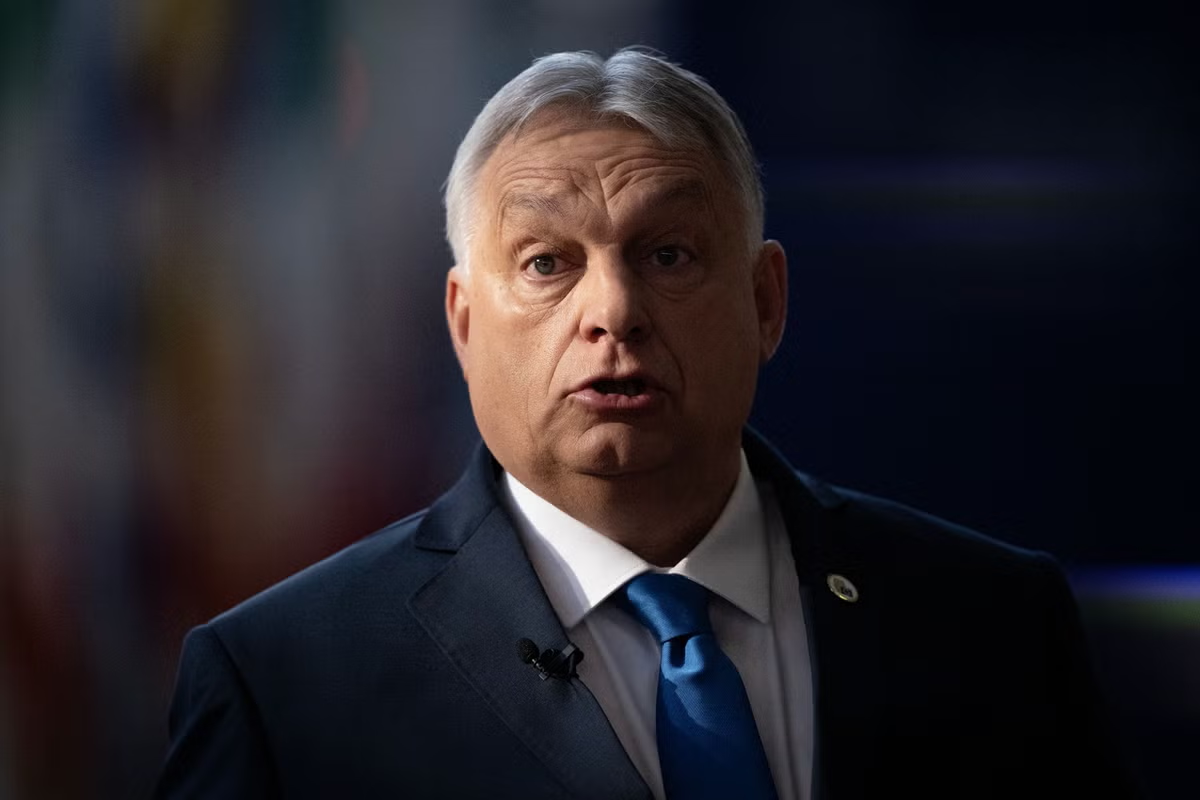
Senior officials in Viktor Orban’s inner circle must be investigated over 3.5 billion euros of missing EU funds, the chief of Hungary’s anti-corruption watchdog has told The Independent.
Central to the latest allegations are claims that several communications companies were awarded contracts from the Hungarian government to the tune of €10 billion over the past four years – roughly €3.5bn of which the Hungary Integrity Authority (HIA) believes may be the result of artificially inflated pricing.
The allegations will further damage Orban’s legacy. During a 16 year tenure, dogged by accusations of corruption and cronyism by Brussels, some of his closest allies made unthinkable fortunes as they were awarded large government contracts.
Lőrinc Mészáros, Hungary’s wealthiest man according to Forbes, was a childhood friend of Orban in the small town of Felcsut. A stratospheric rise in wealth after Orban’s 2010 victory – explicitly attributed by the billionaire to “god, luck and Orban” – saw him accumulate up to $5 billion. István Tiborcz, the former leader’s son-in-law, is 27th on the country’s rich list, with $245m.
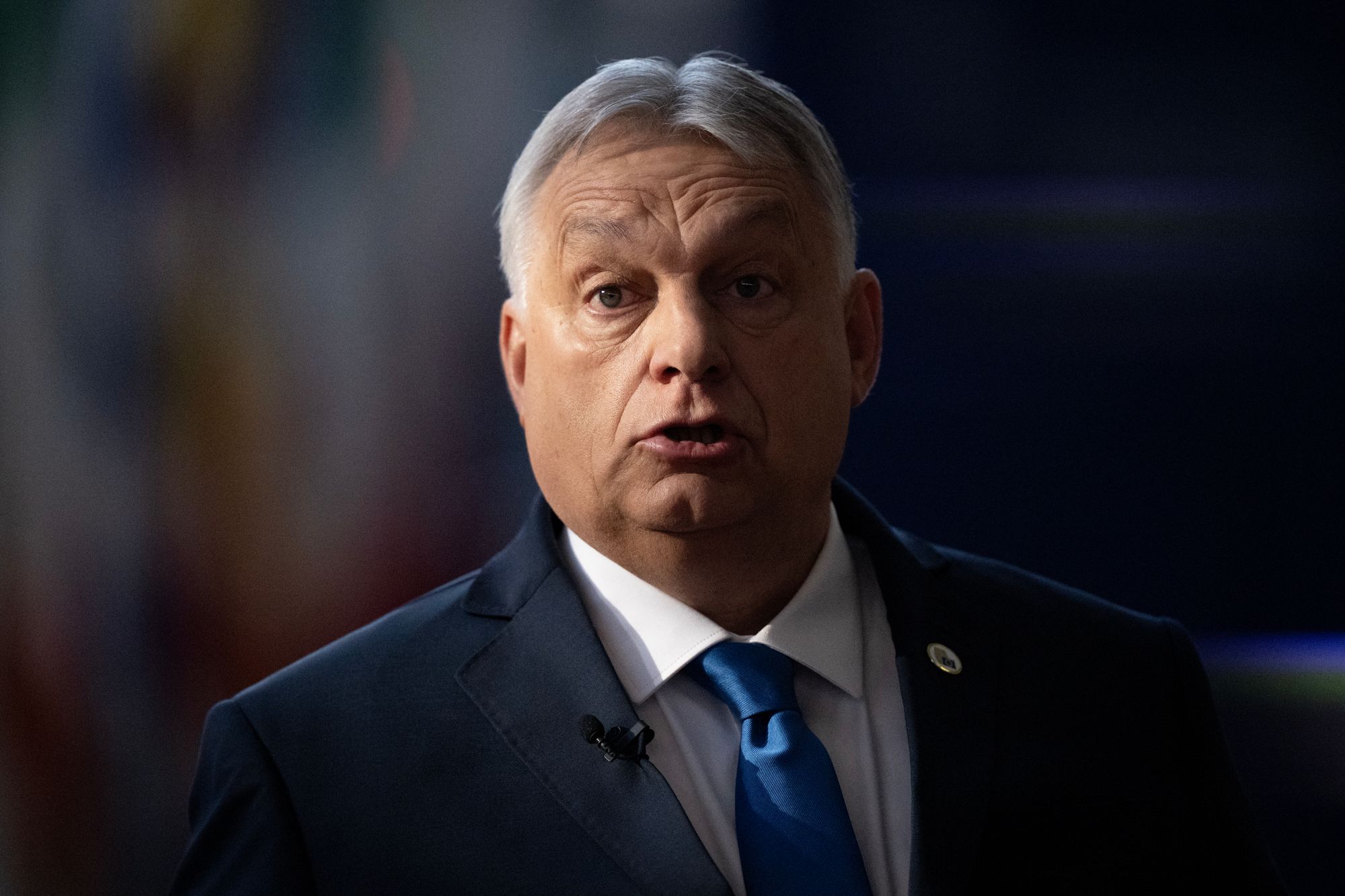
The HIA, an independent body created by Budapest following pressure from Brussels in 2022 to monitor the spending of EU funds, was a central part of an uphill battle against corruption during the latter years of Orban’s leadership.
A review of certain transactions between government bodies and linked companies, by benchmarking the value of certain contracts against their market value, raised red flags over large sums of money.
The mysterious case of a missing €3.5 billion
The watchdog says three companies were awarded goods and services contracts from the Hungarian government to the tune of €10 billion in the past four years. A large chunk of this sum, the it believes, may have been artificially inflated.
“Ultimately, we found that if we compare [the contracts] to market rates and to normal market circumstances, then roughly one third of the amounts that passed through these channels is what we believe to be an ‘overpricing’, and as such carrying an enhanced risk of corruption,” Ferenc Pál Biró, the president of the authority, told The Independent.
The contracts were awarded by centralised procurement bodies that the watchdog says are directly controlled by government ministries.
“What we so far understand, without making any allegations, is that the entity or the ownership rights to these centralised bodies are the ministries – and the ministries are led by a minister,” he said.
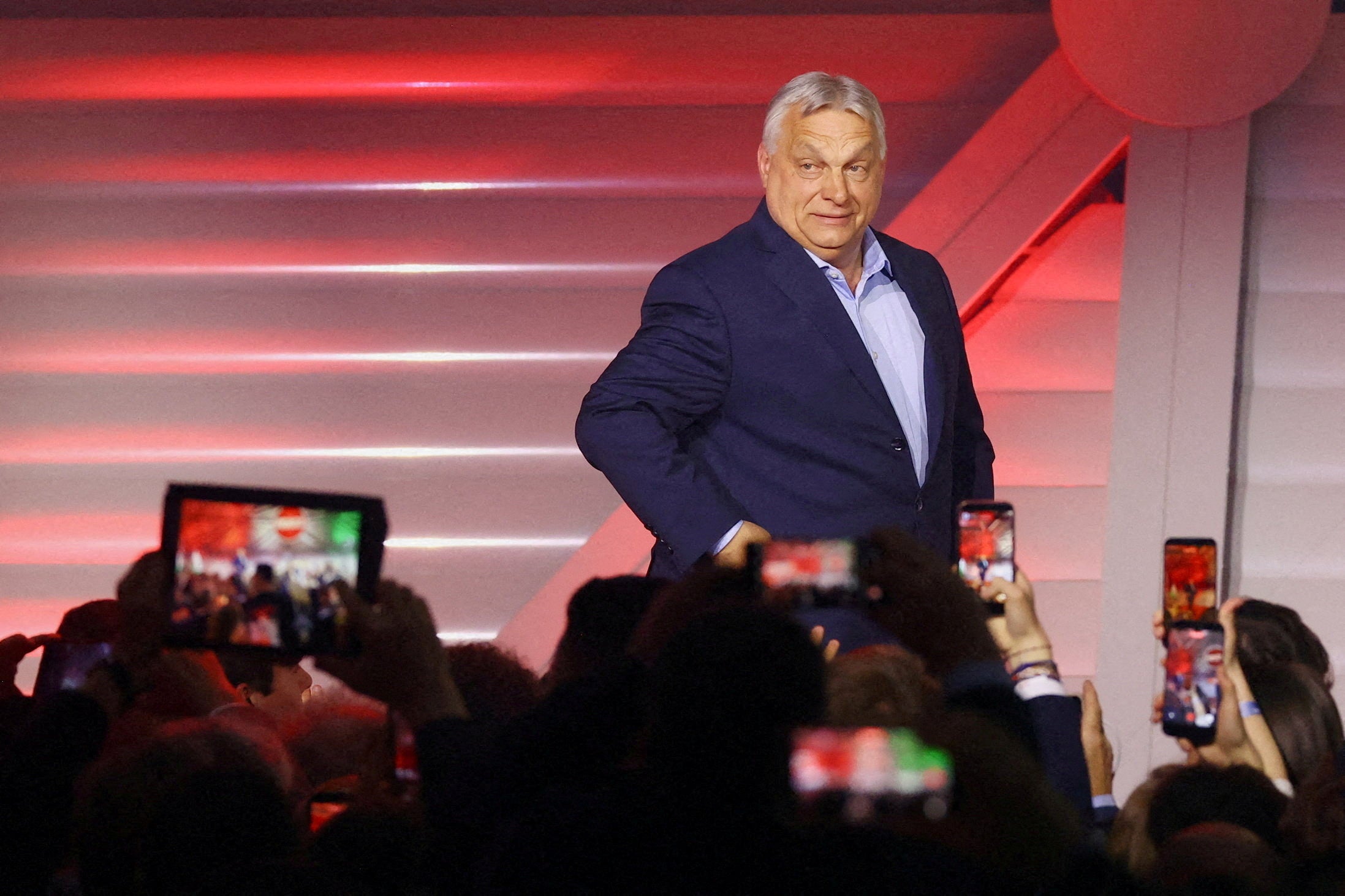
“The causality link and the link of responsibility – that remains a question that needs to be investigated.”
The watchdog is particularly interested in one group of companies which has won most of the government communications tenders in recent years under Orban’s regime.
“So one specific company that we have been looking at is a fairly widely known company in Hungary, and there are the number of open articles about that, I’m very comfortable saying that this is the Lounge group tied to Gyula Balasy,” Biró said.
Earlier this month, Balasy, the group’s founder, revealed he would hand over to the state his firms that performed communications for Orban’s government, along with several of his investments.
The number of contracts won by Balasy’s companies has dramatically rose during Orban’s tenure from zero to 150 per year between 2012 and 2025, the Corruption Research Centre CRCB, a Hungarian think tank, said in an April report.
Balasy’s firms were involved in designing the former prime minister’s anti-Ukraine election campaign, his anti-immigration campaigns, and many others.
The decision to hand the firms over came after new Hungarian prime minister Peter Magyar, leader of the centre-right Tisza party, pledged to review state contracts, clamp down on corruption and “reacquire stolen state assets” as part of an election campaign that secured his party a landslide win in mid-April.
“I am not doing this because I have something to hide or because we have done something unlawful or wrong, but because I think the activities that we have performed for the state go beyond market communication activities and therefore… their place is inside the public sector budget,” Balasy said.
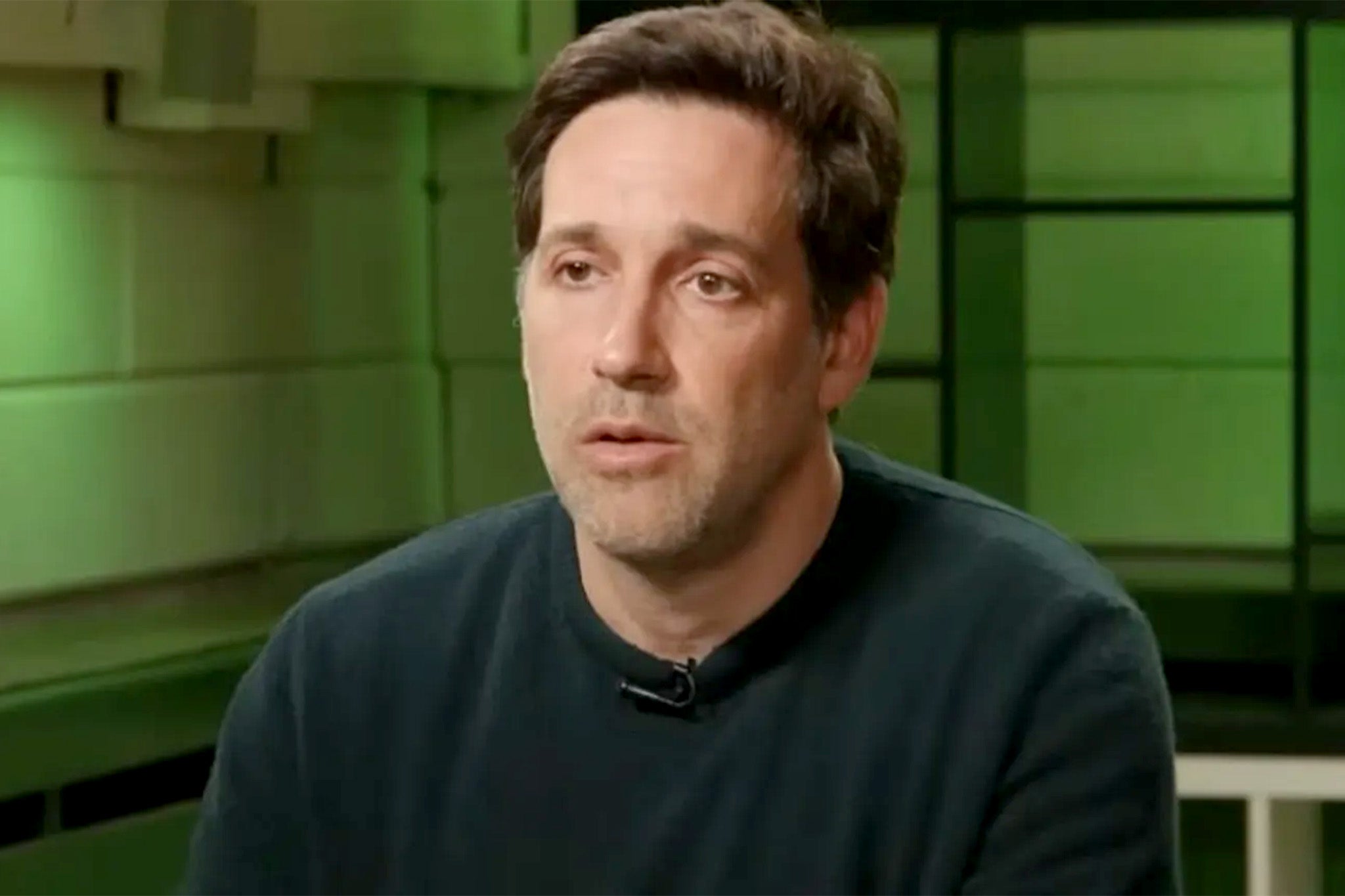
He said his companies won state procurement contracts that were “entirely transparent”.
Magyar briefly commented on the Balasy interview on Facebook on Monday, saying with reference to Orban’s allies, “this system could collapse much faster than anyone would think”.
An irreparable blow for Orban’s legacy
Orban and his Fidesz party have been plummeting in popularity even after his election defeat. Further allegations of corruption and cronyism will only further damage the ousted leader’s legacy.
Zoltán Pogátsa, a political economist and lecturer at the University of West Hungary, analysed the fortunes of Forbes’ richest 50 Hungarians, concluding that 38 of them either acquired wealth under Orban, or boosted already large coffers, through public procurement tenders during his tenure.
“I think [the HIA case] could be deadly for Orban’s legacy,” said Péter Kreko, the director of Hungary’s Political Capital Institute.
“Already we can see that Fidesz’s popularity is in a free fall. If high-level corruption cases come along, maybe with the involvement of Orban himself as well, then I think it could totally destroy the legacy of Fidesz.”
Transparency International’s Corruption Perceptions Index scores Hungary the lowest out of all EU countries, and 84th out of 182 in the world.
Can Magyar really transform Hungary?
Budapest is at a critical juncture, looking to transform its status as a pariah of Europe into a trusted and valuable member of the EU.
Magyar has visited Brussels in a bid to unfreeze billions of euros in EU funds which have been withheld by the bloc over rule-of-law and corruption concerns.
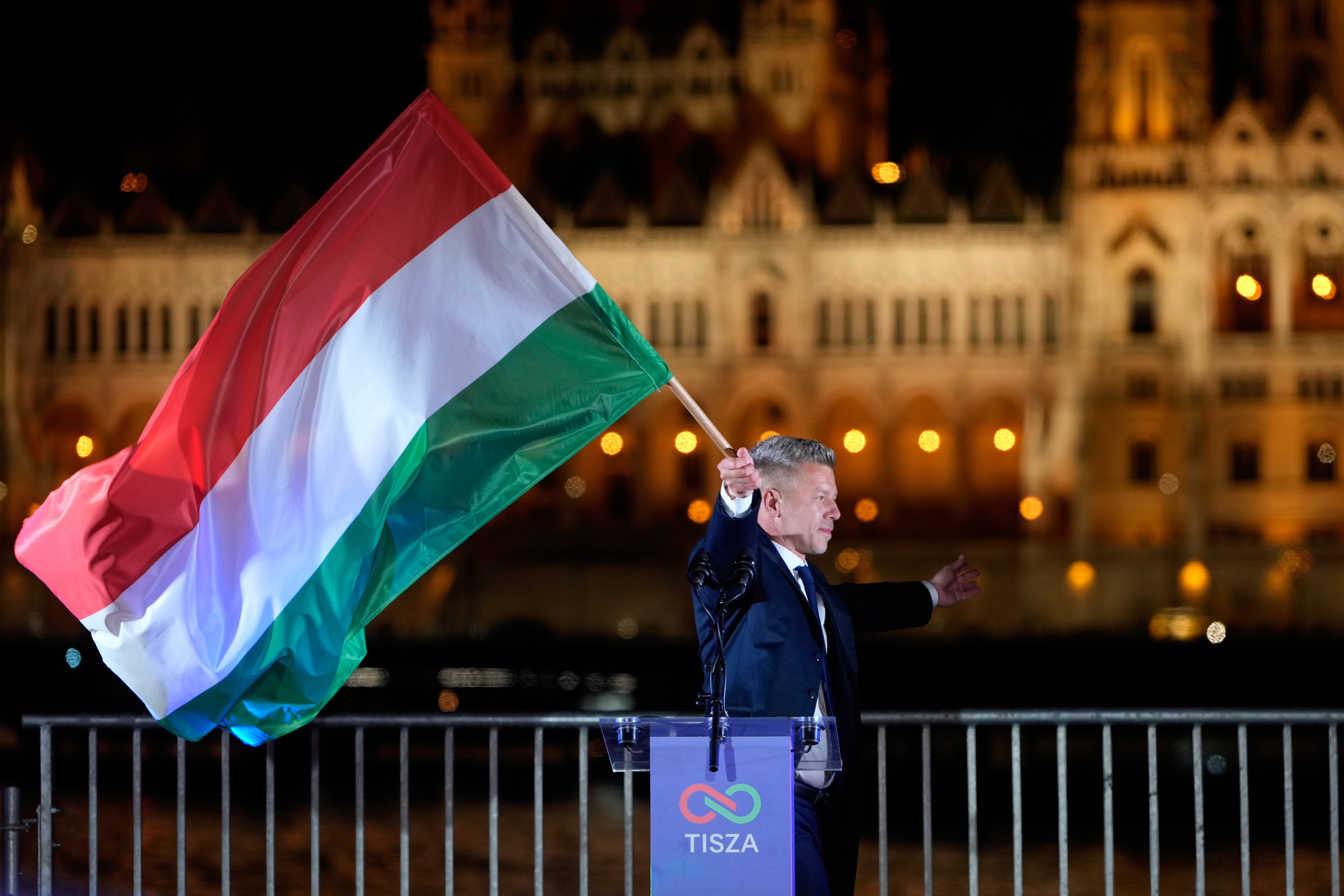
“Peter Magyar’s ability to fight corruption will mostly depend on his willingness to go against his own people if they are found or get into the suspicion of doing corrupt businesses,” says Kreko.
“Of course you have structures in which corruption can still survive, and it is going to be a difficult task. When corruption is so deeply part of state administration, if you break the structures it can also paralyse parts of the administration,” he said.
But it is not an insurmountable task. Replacing elements of the political and economic elite will make the task far easier, Kreko said.
Magyar has the backing of the HIA, with Biró saying he trusts that the intentions of Magyar’s government “are correct”.
“I think that they are capable. They definitely have the support of the Integrity Authority, and I believe if all the authorities and the government structures work together for the same goal, it is a difficult but doable goal,” he said.
About the Author