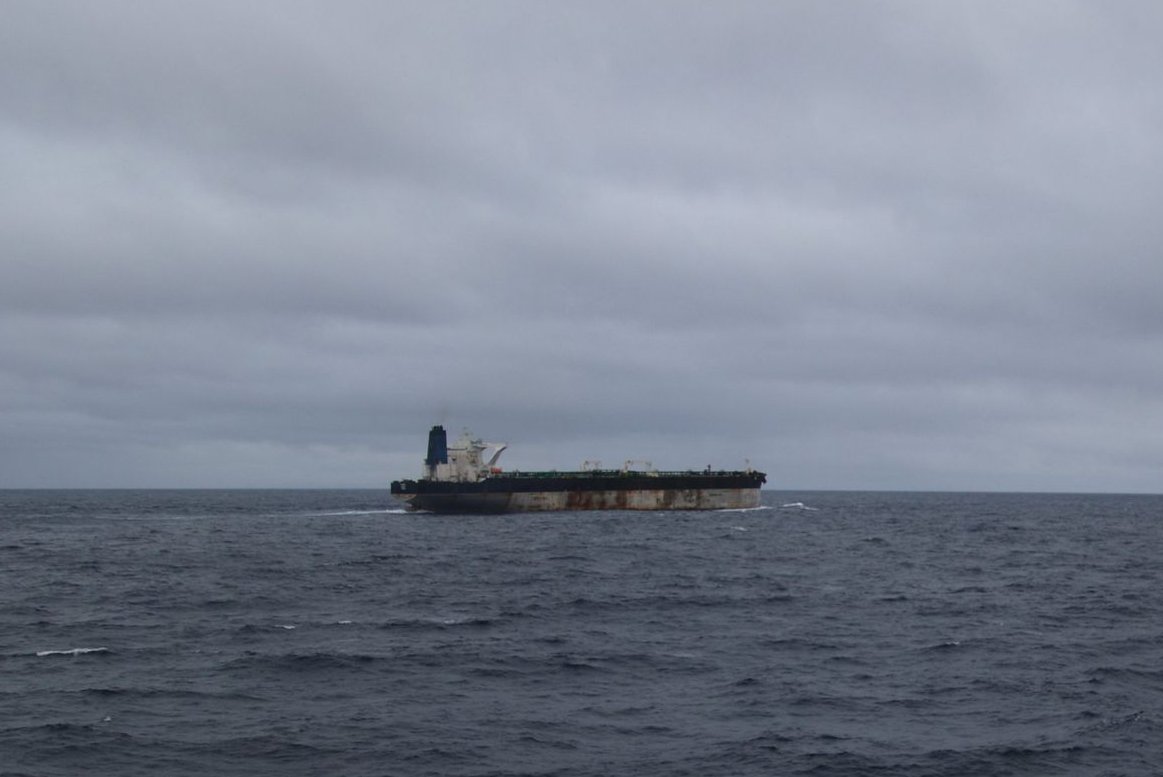
March 13 (UPI) — The U.S. Treasury Department issued a 30-day license temporarily allowing Russian oil already loaded onto sanctioned tankers to be sold in the international market as part of an effort to ease an acute supply disruption due to the war with Iran.
The Trump administration is banking that the general license permitting Russia to begin selling the estimated 128 million oil barrels will calm a volatile global energy market that saw futures for the benchmark Brent crude end Thursday above $100 for the first time in four years.
“To increase the global reach of existing supply, the U.S. Treasury is providing a temporary authorization to permit countries to purchase Russian oil currently stranded at sea,” Treasury Secretary Scott Bessent announced Thursday night.
Bessent conceded that the supply disruption was actually “a massive benefit to our nation and economy in the long-term,” referencing the fact that, as the world’s largest oil producer, higher prices are a net gain for the United States, if not U.S. consumers faced with higher gas prices.
However, being able to shift oil stranded at sea will provide a massive windfall for Russia’s war chest, already netting around $150 million a day from selling more expensive oil and more of it since the United States and Israel attacked Iran on Feb. 28, according to experts.
Bessent denied the move would significantly benefit the Russian government’s finances, saying that most of the revenue it earned from its energy resources was from taxes levied when they were pumped out of the ground.
The Washington Post said the move was likely to be condemned by Congressional Democrats, already sounding warning bells over Ukraine after Bessent issued a similar waiver on March 5, allowing India to buy Russian oil stranded at sea in what he said was a “deliberate short-term measure” to help prevent the global oil market from seizing up.
“This self-made global energy shock is serving to enrich [Russian President Vladimir] Putin and line his war coffers by offering him windfall profits. Instead of changing course, the President is only making this situation worse by handing Putin, his shadow fleet, and traders still dealing in sanctioned oil a free pass to increase oil shipments to Russia’s second-largest importer,” read a joint statement signed by several Democrats last week.
“The new channels for evasion the President is opening, coupled with dramatically higher global energy prices, are giving Putin a huge financial boost and the means to continue his bloody war in Ukraine,” added the statement.
Effective through April 11, the exemptions mark a departure from increasingly onerous penalties imposed by Washington and the other member nations of the G7 on Russia over its invasion of Ukraine, including a cap on the price of Russian oil and measures to tackle its shadow tanker fleet, used to get around sanctions.
The exemptions apply to existing Russian crude products loaded on ships on or before 12.01 a.m. EDT on Thursday with purchases permitted across 30 locations around the world — sufficient to meet around five to six days’ supply globally — through 12.01 a.m. EDT on April 11, CNBC said.
The price of oil has fluctuated wildly in the two weeks since the conflict erupted, hitting as much as $119.50 a barrel on Monday following Iranian attacks on oil and gas production facilities and shipping in the Gulf and the effective closure of the Strait of Hormuz, the region’s main export artery.
Brent crude futures for May delivery were trading around 1.3% lower at $99.13 a barrel on the Intercontinental Exchange Europe in London in mid-afternoon trade on Friday, down about $1.32 from Thursday.
About the Author