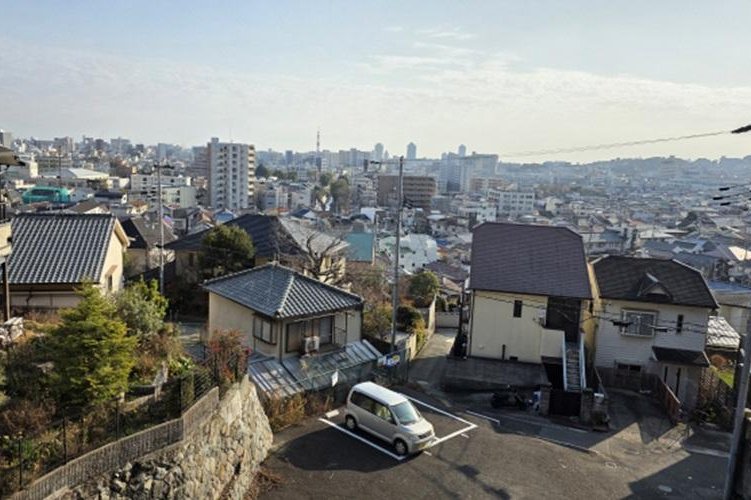
A hillside neighborhood in Kobe, Japan, is seen amid growing concern over depopulation and rising numbers of vacant homes. Photo by Asia Today
March 12 (Asia Today) — A town in Japan has suspended plans to become a city after falling 311 residents short of the population threshold, highlighting a broader depopulation crisis that is also affecting South Korea’s regional communities.
Ami, a town in Ibaraki Prefecture, had aimed to win city status in November 2027 but put the plan on hold after census data showed its population stood at 49,689, below the 50,000 minimum required under Japan’s local autonomy law.
Shigeru Chiba, the town’s mayor, announced the decision at an emergency news conference on Tuesday.
“Our judgment was mistaken,” Chiba said, apologizing to residents who had expected the administrative upgrade.
Ami had reported steady population growth in recent years thanks to its relative proximity to Tokyo and expanded child care support. Its resident population surpassed 50,000 in 2023, prompting local officials to establish a task force to prepare for city status.
The town had also begun work on related branding and administrative plans.
But despite a registered population of 50,022 and an estimated resident population of 50,637, the official census found that the number of people actually living there fell short by 311.
Officials believe many people kept their registered addresses in Ami after moving elsewhere.
The town now plans to cut 15.9 million yen from its current budget for the city status initiative and hold public briefings for residents.
Chiba said the town would continue working toward the 50,000 threshold in time for the 2030 census.
Located about 70 kilometers from Tokyo, Ami had gained attention as a commuter town, but the failed bid underscored the growing strain of regional population loss in Japan.
South Korea faces similar challenges. According to a survey by the Korea Enterprises Federation, 77 percent of local governments outside the Seoul metropolitan area said they view the risk of population decline and regional extinction as severe.
The sense of crisis was highest in the Gangwon and Gyeongsang regions, and 64 percent of respondents said conditions were likely to worsen within five years. The most commonly cited reason was a lack of industry and jobs.
The case of Ami and the situation in South Korea’s nonmetropolitan regions reflect a shared structural challenge for both countries as shrinking populations weaken local administrative and fiscal foundations.
— Reported by Asia Today; translated by UPI
© Asia Today. Unauthorized reproduction or redistribution prohibited.
About the Author