Donald Trump’s election-security czar last year attempted to ban voting machines used in over half of U.S. states by proposing the Commerce Department declare their components national-security risks, according to two individuals with direct knowledge of the matter.
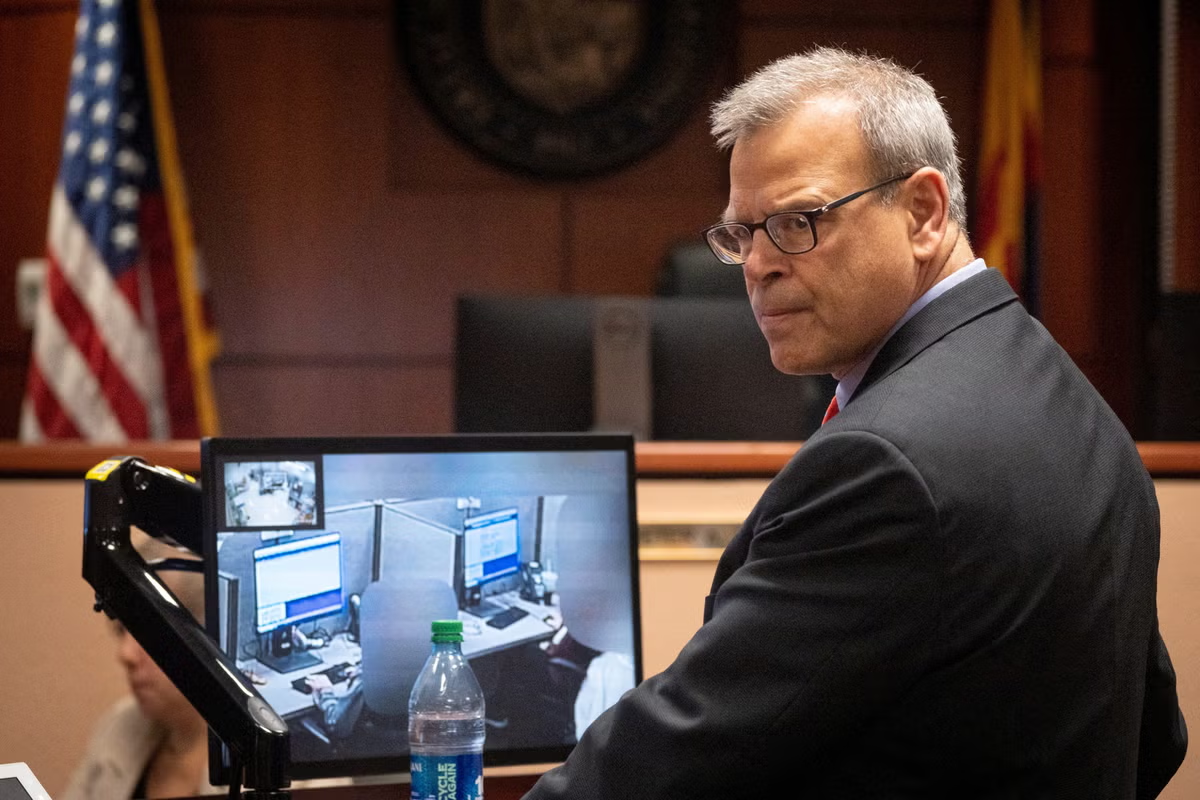
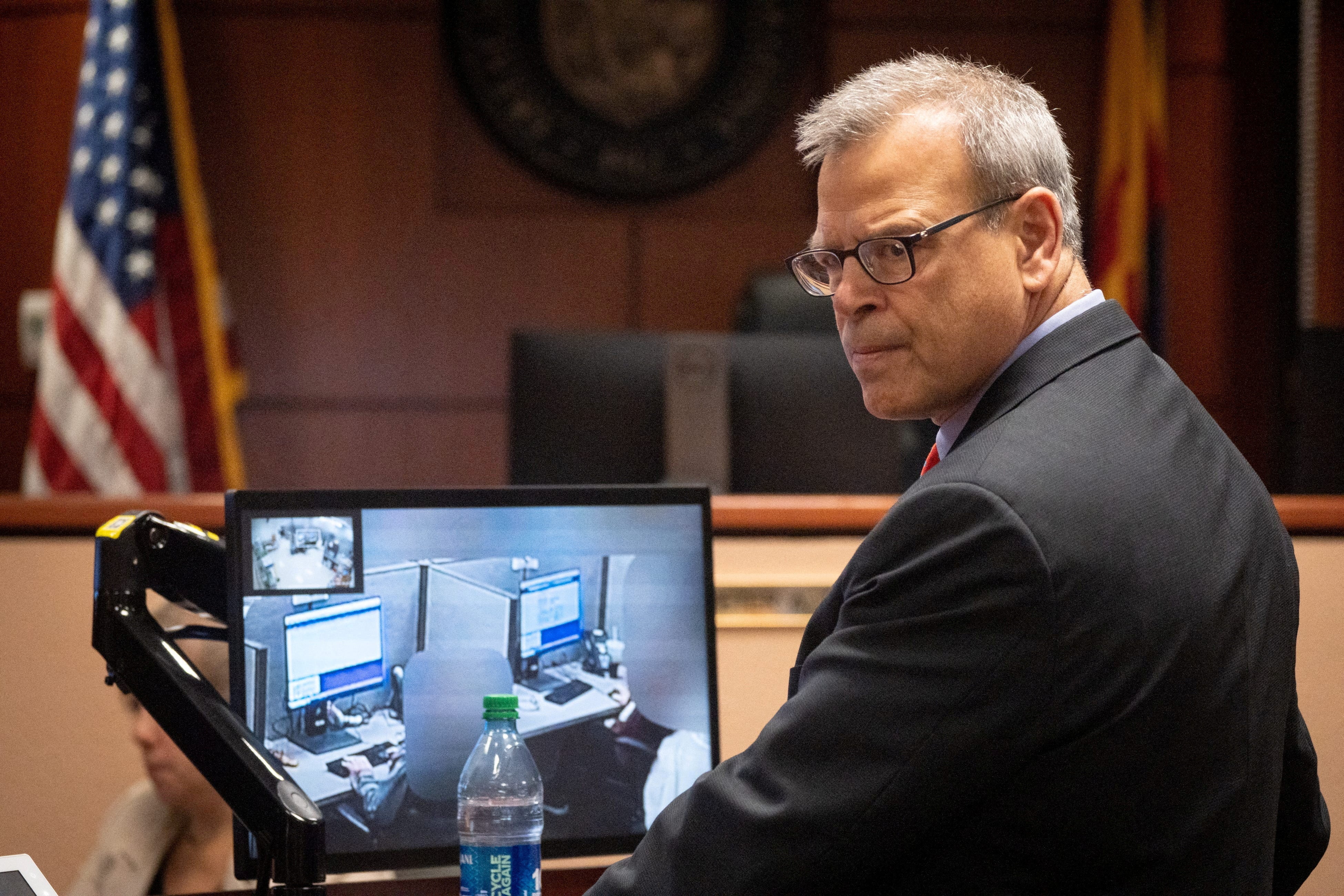
White House adviser Kurt Olsen, a lawyer tasked by Trump with pursuing widely debunked election-rigging conspiracy theories, spearheaded the initiative to target Dominion Voting Systems machines.
Sources indicate the idea emerged as Olsen and other officials brainstormed methods for the federal government to seize control of elections from U.S. states, a concept that Trump has publicly advocated.
Olsen reportedly sought a national system of hand-counted paper ballots, a frequent demand from Trump, which some election-security experts warn would be less accurate and potentially riskier than the current system of machines with auditable paper trails used by nearly all cities and states.
The plan to exclude the machines advanced to the point where, in September, Commerce Department officials began exploring the legal grounds for its execution, three additional sources confirmed.
However, the effort ultimately collapsed because Olsen and other administration staffers involved failed to provide sufficient evidence to justify such a drastic measure, two of the sources revealed.
This episode is part of a broader Trump administration campaign to infringe upon state and local governments’ constitutional authority to manage elections, a power designed to prevent the executive branch from seizing control.
Olsen continues to collaborate with top intelligence and law enforcement agencies to investigate claims of voting rigging.
A Reuters investigation earlier this month uncovered that administration officials and investigators in at least eight states have sought confidential records, pressed for access to voting equipment, and re-examined voter-fraud cases that courts and bipartisan reviews had already dismissed.
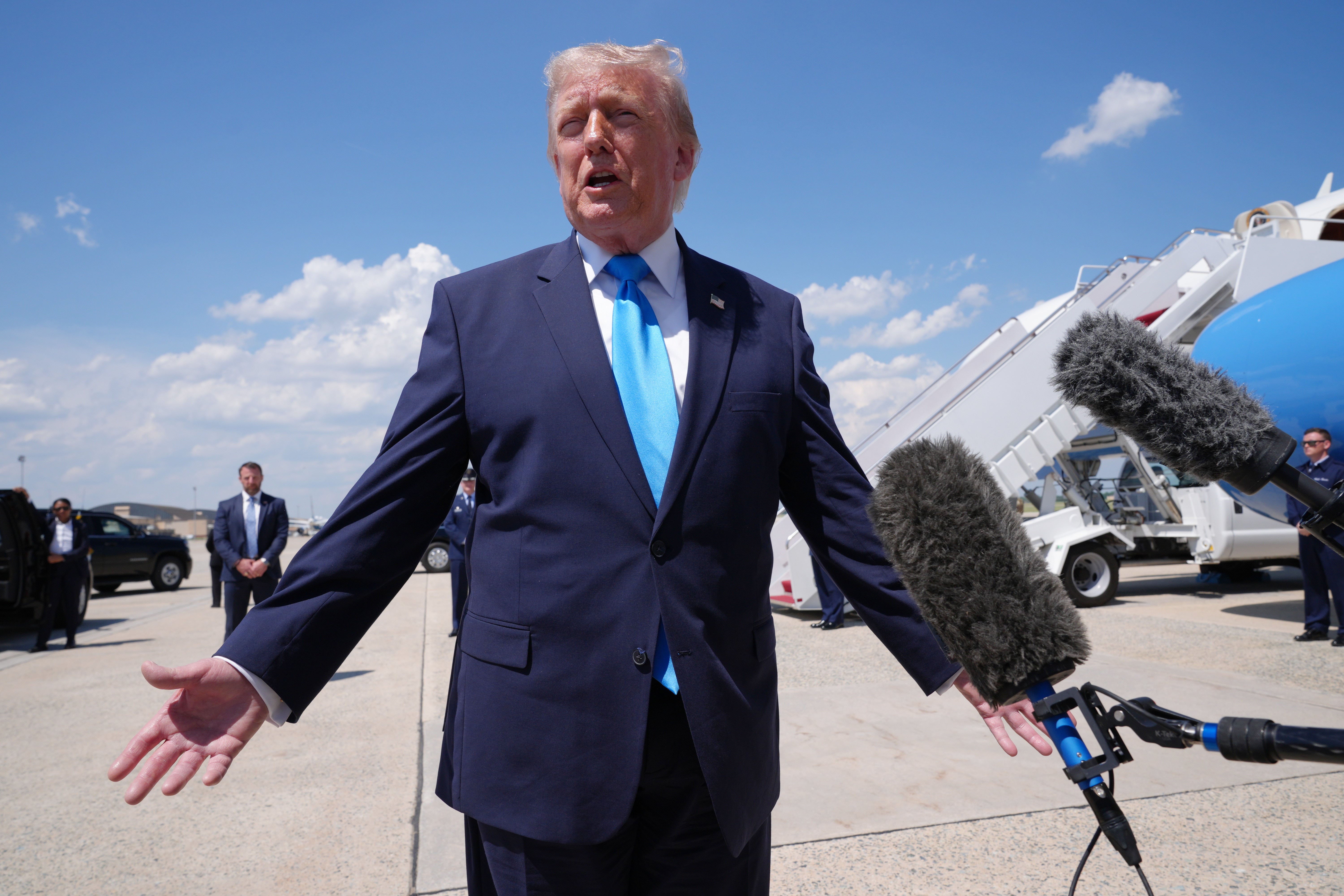
Trump and his Republican allies are also pursuing unprecedented plans to redraw election districts earlier than usual to secure advantages in the November midterm congressional elections.
Olsen, whose removal from his post is being sought by Democratic senators, aimed to invalidate Dominion voting machines before the midterms, the two sources said.
Others involved in these deliberations included Paul McNamara, a senior aide to Trump’s spy chief, and Brian Sikma, a special assistant to Trump who serves on his Domestic Policy Council, according to one of the two sources with direct knowledge of the matter.
Olsen has worked closely with Tulsi Gabbard’s Office of the Director of National Intelligence (ODNI).
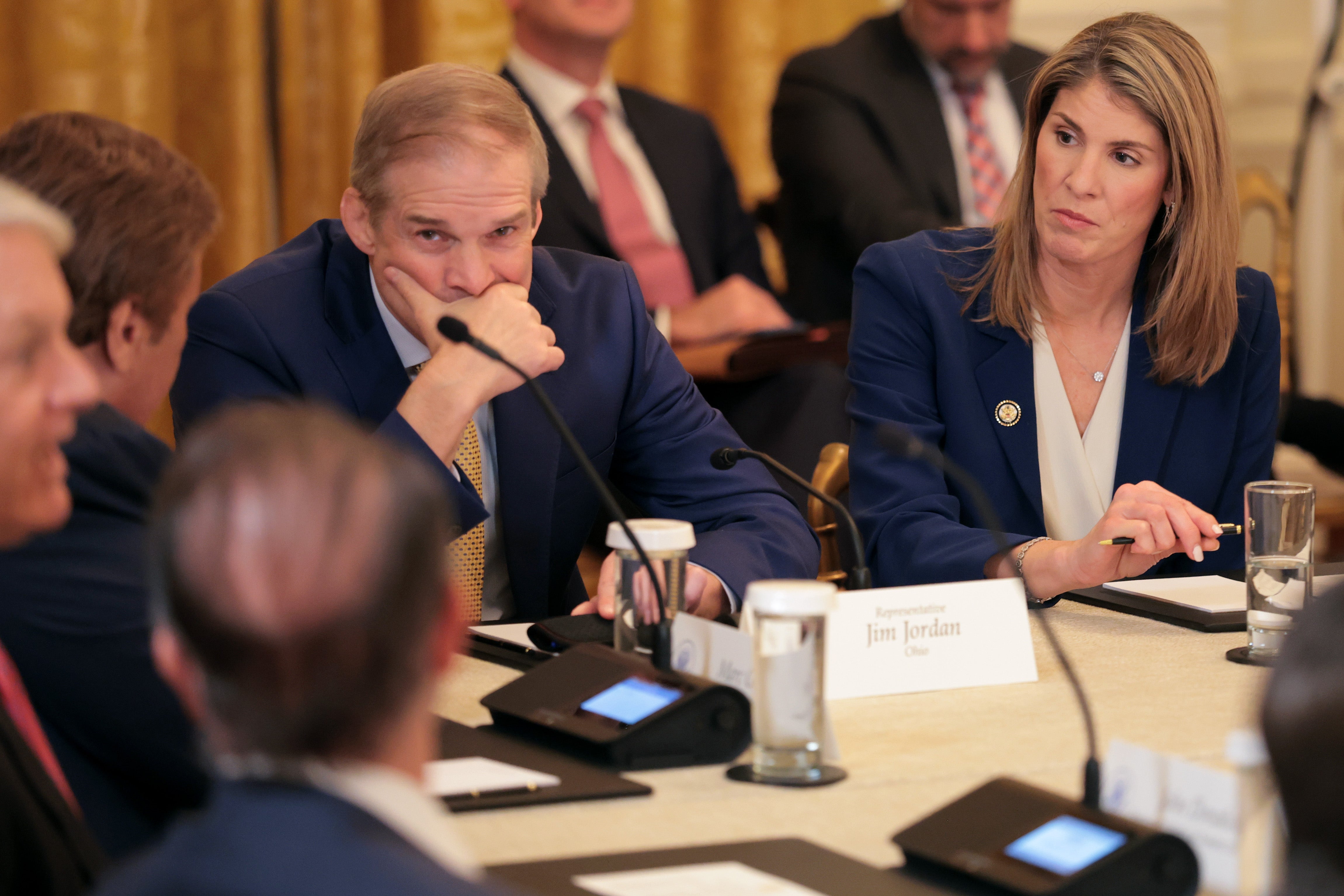
Early last summer, McNamara reportedly asked officials in the Commerce Department to consider designating Dominion chips and software as a national security risk, the two sources stated.
At the time, McNamara led an ODNI task force that collaborated with officials across the administration to investigate vulnerabilities in the nation’s voting machines.
The sources indicated McNamara discussed the issue with senior officials at the U.S. Commerce Department, which is led by Secretary Howard Lutnick.
Reuters could not ascertain whether Lutnick was involved in or aware of these discussions.

A Commerce Department spokesperson stated that Lutnick never met or discussed election-integrity issues with McNamara and did not “engage in the topic at all.”
The spokesperson declined to comment on whether Lutnick’s office or other officials were involved.
Olsen, McNamara, and Sikma did not respond to interview requests. Democrats and election-integrity experts express concern that, with Republicans anticipated to face losses in the midterms, the administration aims to suppress voting and create a pretext to challenge losses with further baseless claims of election fraud.
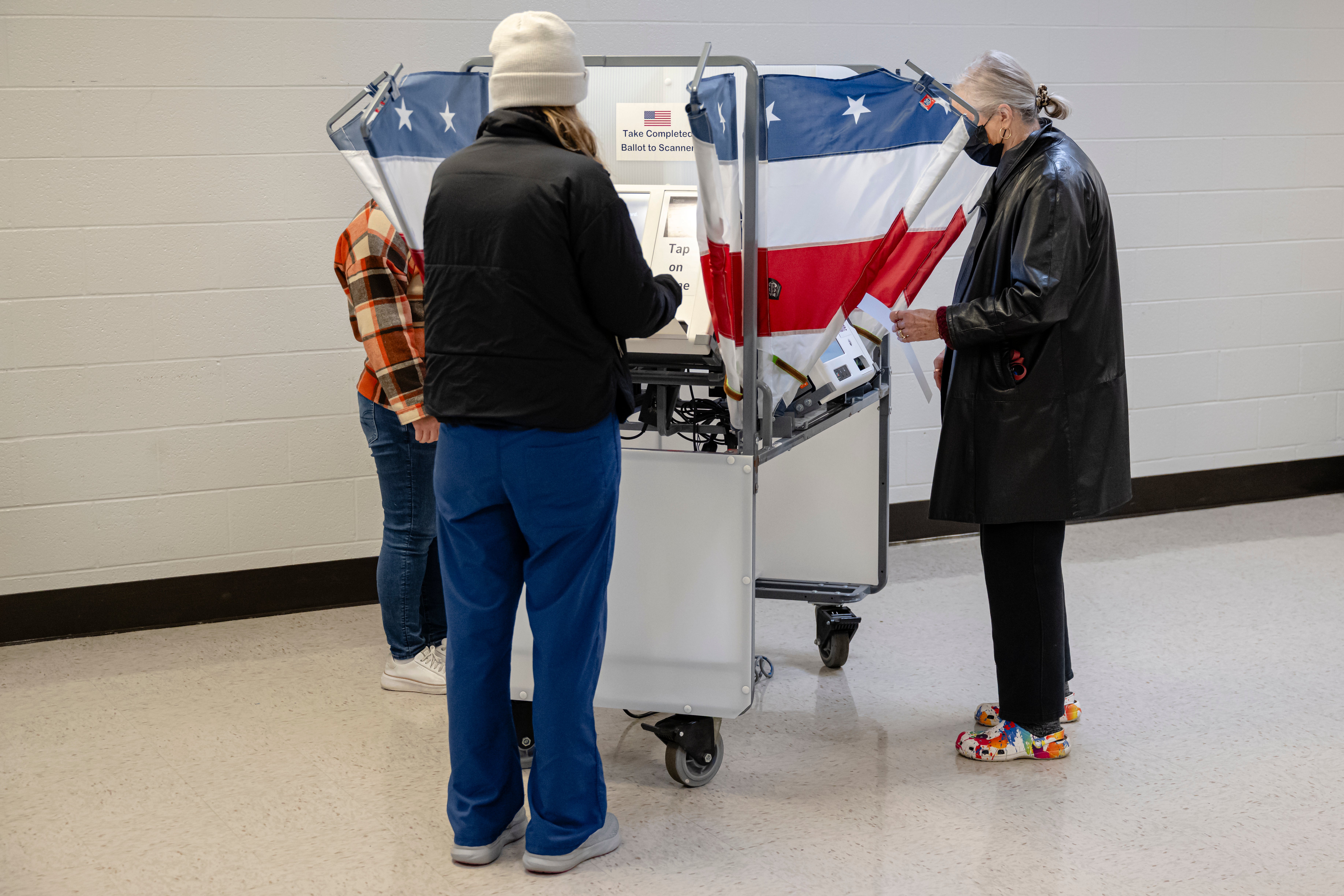
More than 98% of U.S. election jurisdictions already produce a paper record for every vote, the U.S. Election Assistance Commission reported last year.
These votes are primarily cast on machines that print a paper record, or are hand-marked but counted by electronic readers.
Election-security experts generally endorse the current combination of technology and paper ballots, which provides a voter-verified trail for post-election audits.
Proponents of hand-marked, hand-counted ballots argue they eliminate hacking concerns.
However, they introduce different risks, according to Alex Halderman, a University of Michigan computer science professor, including counting errors and ballot box stuffing.
“Changing to hand counting would be chaotic,” he said, “and it might facilitate cheating.”
White House spokesman Davis Ingle characterized the reporting for this story as selectively leaked and labeled it misinformation.
Olivia Coleman, a spokesperson for Gabbard’s agency, claimed the story contained “inaccuracies and false descriptions” of the agency’s election security work, without providing further details.
U.S. supply chain rules grant the commerce secretary the authority to restrict transactions with technology companies from nations designated as “foreign adversaries,” including China, Russia, and, specifically, the government of Venezuela’s Nicolas Maduro, whom the U.S. military unseated from power in January.
A primary focus of Olsen’s efforts to find evidence of foreign hacking centered on the debunked theory that Dominion machines were infected with code controlled by Venezuelans to steal the 2020 election from Trump, the two sources said.
Repeated investigations and lawsuits since 2020 have yielded no evidence that Dominion machines were hacked.
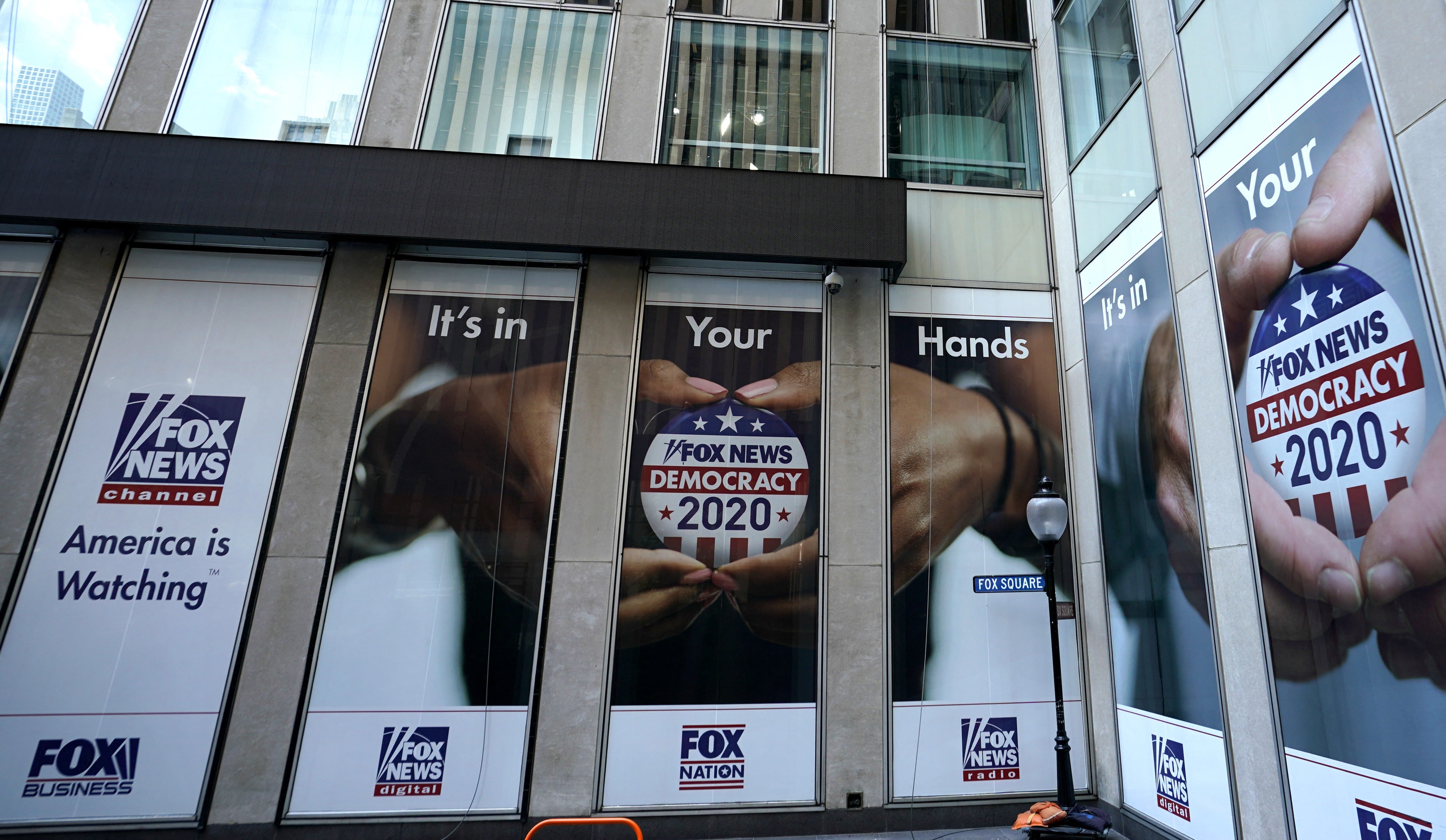
In 2023, Fox News paid Dominion $787 million in a defamation case concerning false election-rigging claims.
In 2024, at least 27 states used Dominion machines, a number similar to that in 2020. Denver-based Dominion was acquired last October by Liberty Vote USA of Colorado.
Yet, Trump continues to repeat the allegations, most recently on May 12, when he reposted a six-year-old clip of a host on the far-right One America News network making the false claim that Dominion machines deleted millions of votes.
In May 2025, Olsen helped lead a federal mission that seized Dominion machines Puerto Rico used in its 2024 gubernatorial election.
An analysis of the machines by cyber contractor Mojave Research Inc. later that summer found some known vulnerabilities, but no Venezuelan-origin code or evidence of hacking.
Around the time McNamara’s conversation took place with Commerce Department officials, Olsen’s team disassembled some of the Puerto Rico machines, believing they would discover components manufactured by countries designated as foreign adversaries, the two sources said.
The team found one chip packaged in China by U.S. company Intel, which is not generally considered a threat to U.S. national security.
Other chips were packaged in Japan, South Korea, and Malaysia, the two sources added. Olsen’s report on the teardown, they said, described the chips as ‘East Asian,’ which they believe was intended to obscure the failure to find any security risks.
A September White House meeting convened to discuss the machines included cyber experts at the National Security Council, two of the sources said.
The group, which included Olsen’s team, discussed whether Dominion’s equipment contained traces of Venezuelan code, according to one of the sources.
Following the meeting, a Commerce Department political appointee asked the department’s office that assesses foreign national-security risks to tech supply chains to consider options to address any risks posed by voting machines, according to the three additional sources.
The office considered the matter but ultimately took no action, two of the sources confirmed.
About the Author