WASHINGTON — The Supreme Court on Monday provisionally blocked a lower court decision that would have limited availability nationwide of the abortion pill mifepristone.
Subscribe to read this story ad-free
Get unlimited access to ad-free articles and exclusive content.

In two brief orders, Justice Samuel Alito, one of the court’s conservatives, said the decision by the New Orleans-based 5th U.S. Circuit Court of Appeals would remain on hold until at least May 11. Alito issued the order because he is the justice who handles emergency issues arising from that appeals court, which covers Texas, Louisiana and Mississippi.
The temporary pause gives the high court time to consider next steps in the case as it weighs separate emergency requests filed by drug makers Danco and GenBioPro.
The nationwide availability of mifepristone was cast into jeopardy on Friday when the appeals court granted Louisiana’s request to void Biden administration rules that allowed the drug to be administered without an in-person meeting, meaning it can in theory be mailed anywhere in the country, even in states with strict abortion bans.
Alexis McGill Johnson, president of abortion rights group Planned Parenthood Action Fund, welcomed the decision.
“While mifepristone access returns to where it was on Friday morning, the whiplash and chaos that patients and providers are navigating have already had real consequences for real peoples’ lives and futures,” she said in a statement.
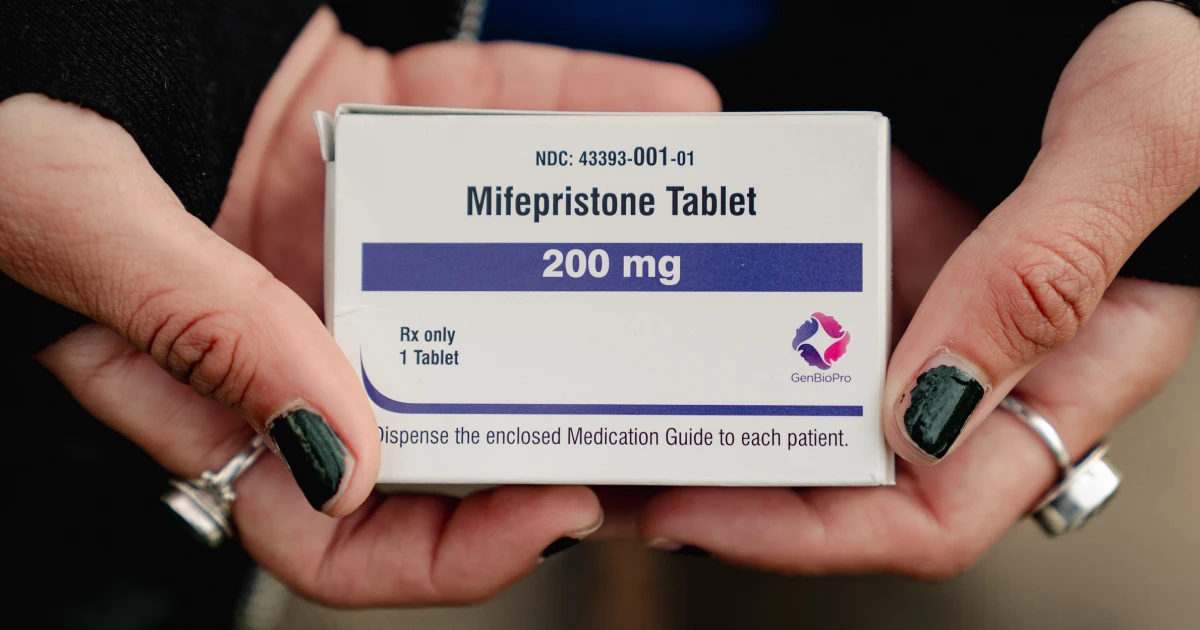
Danco makes Mifeprex, the brand name version of mifepristone, while GenBioPro makes a generic version.
Alito ordered Louisiana to file its response to the company’s request by the end of the day on Thursday.
In 2024, the Supreme Court rejected an earlier attempt to overturn the Food and Drug Administration’s approvals for mifepristone. The court said then that those challenging the approvals did not have legal standing.
The new case focuses more narrowly on the Biden administration’s decision the previous year to make permanent Covid-era rules that made it easier to obtain the drug during the pandemic.
That move came after the Supreme Court’s 2022 ruling that overturned abortion rights landmark Roe v. Wade, giving conservative states a green light to heavily restrict, if not ban, abortion.
Medication abortion is harder for states to regulate than surgical procedures, especially if pills are available through the mail.
The drug makers say that, like in the earlier case, Louisiana does not have legal standing to bring the claims.
About the Author