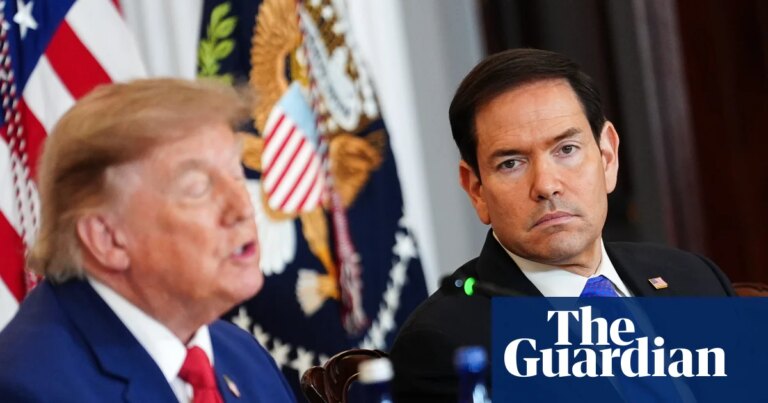
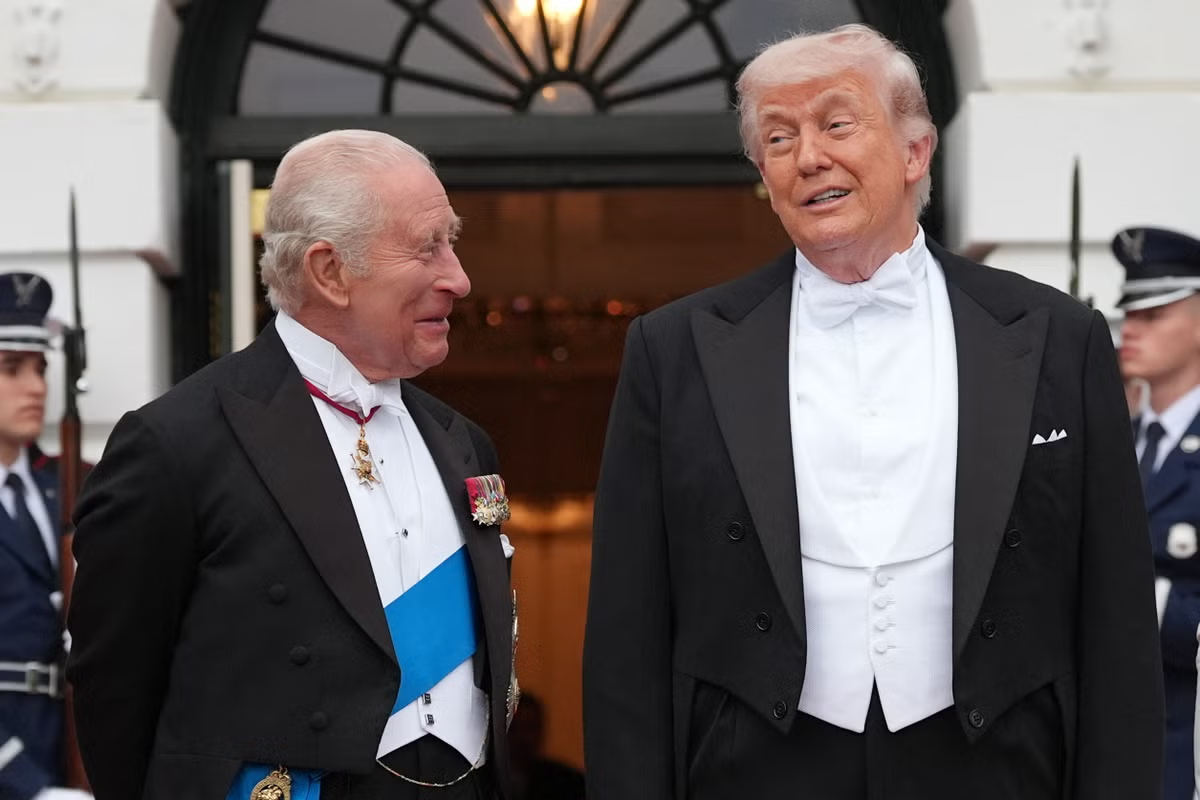
President Donald Trump, a former reality TV star known for his taste in all-gold everything, has never been one for modesty, but the Republican has in recent days begun speaking about himself as a figure of all-time historical power, according to allies.
“He’s been talking recently about how he is the most powerful person to ever live,” a Trump confidant told The Atlantic. “He wants to be remembered as the one who did things that other people couldn’t do, because of his sheer power and force of will.”
“He is unburdened by political concerns and is able to do what is truly right rather than what is in his best political interests,” an administration official added in an interview with the magazine. “Hence the decision to strike Iran.”
Unlike any U.S. leader in recent history, President Trump has pushed the boundaries of what is legal within the U.S., while making massive unilateral gambles on the world stage: threatening a U.S. takeover of allied Greenland, kidnapping the leader of Venezuela, and launching a war with Iran.
“President Trump is fighting every day to deliver the strong, safe, and prosperous country that we all deserve,” assistant White House press secretary Olivia Wales told The Independent in a statement. “The only legacy President Trump is concerned with is making America greater than ever before.”
Beneath the president’s devil-may-care attitude is a deeper view that he is one of the central figures in world history, Trump allies told The Atlantic. The president himself recently nodded to this self-image.
“I’ve studied assassinations, and I must tell you the most impactful people — the people who do the most, take a look at Abraham Lincoln,” the president told reporters shortly after a gunman attempted to breach the White House Correspondents’ Dinner and target administration officials.
“The people that make the biggest impact, they’re the ones that they go after,” he added. “They don’t go after the ones that don’t do much.”
Trump, like other iconic names in history, has also made a conscious attempt to leave his aesthetic and cultural mark across the country.
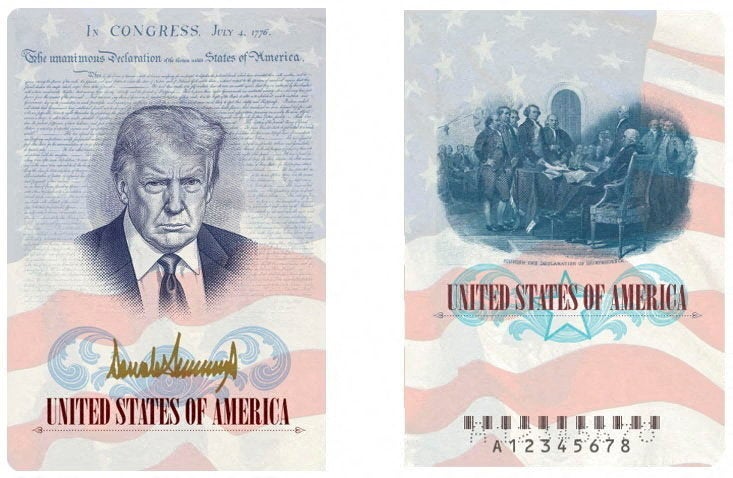
The president and his allies have pushed to put the president’s name or face on everything imaginable — giant banners on government agencies, U.S. passports, money, historical memorials such as the Kennedy Center — and Trump razed the East Wing of the White House to build a new ballroom on the grounds, remaking the literal seat of U.S. power in his image.
The gestures, which critics have compared to image-obsessed autocratic regimes of the past, have included plenty of pomp and pageantry, including a controversial military parade through Washington, D.C., and a planned UFC fight on the White House lawn for Trump’s 80th birthday this summer.
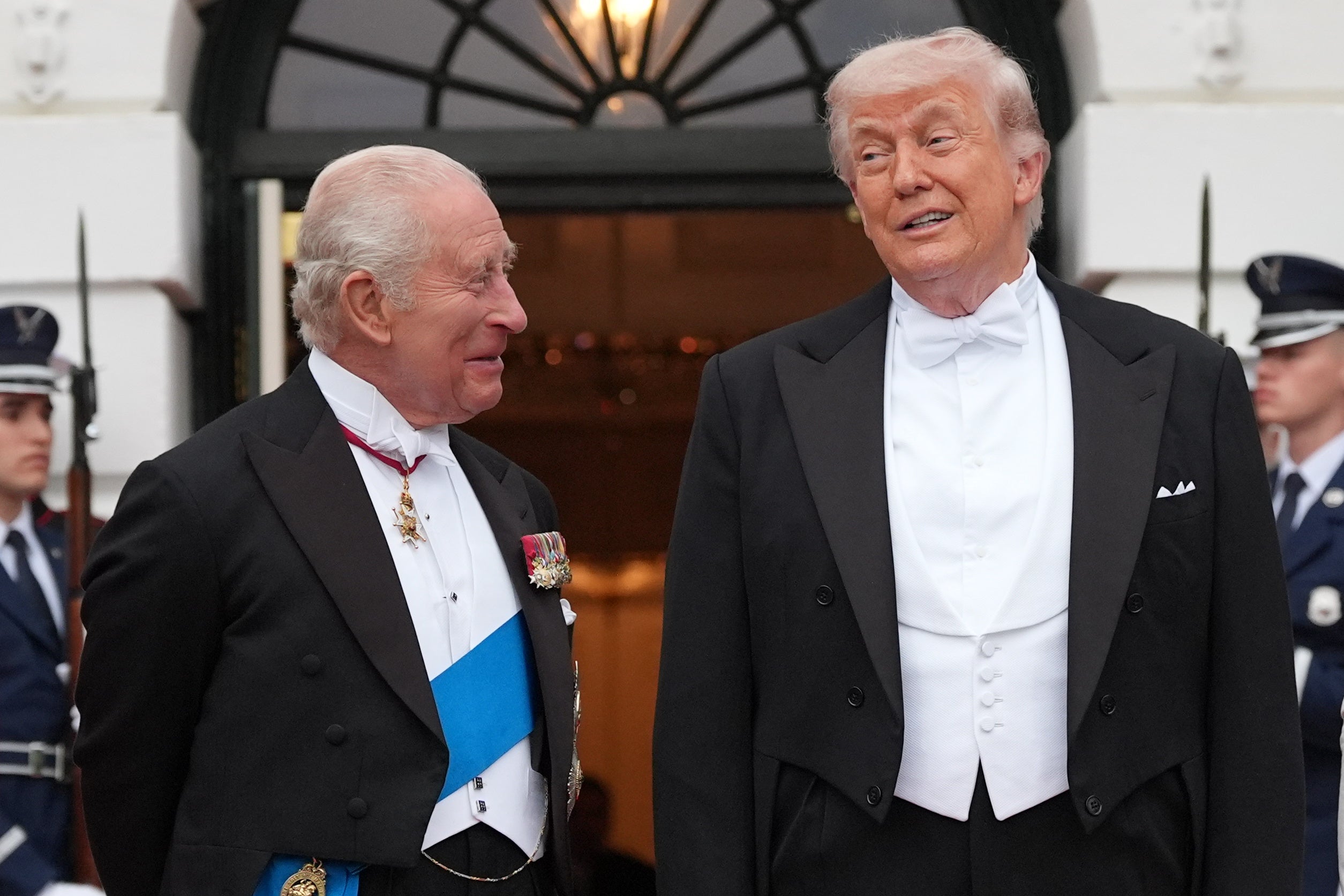
The president has at times referred to himself as a king, including during King Charles III’s visit to Washington, while musing openly about running for an unconstitutional third term.
The president’s imperious attitude has inspired equally royal protests, with millions taking part in multiple “No Kings” protests throughout the Republican’s second term.
Some limits have emerged against this vision of an all-powerful Trump. Later this year, his party is expected to lose at least one of the two houses of Congress in the midterms.
The administration’s military-style immigration crackdown has suffered numerous blows in federal court, with judges finding across thousands of cases that agents didn’t have clear legal justification to make arrests.
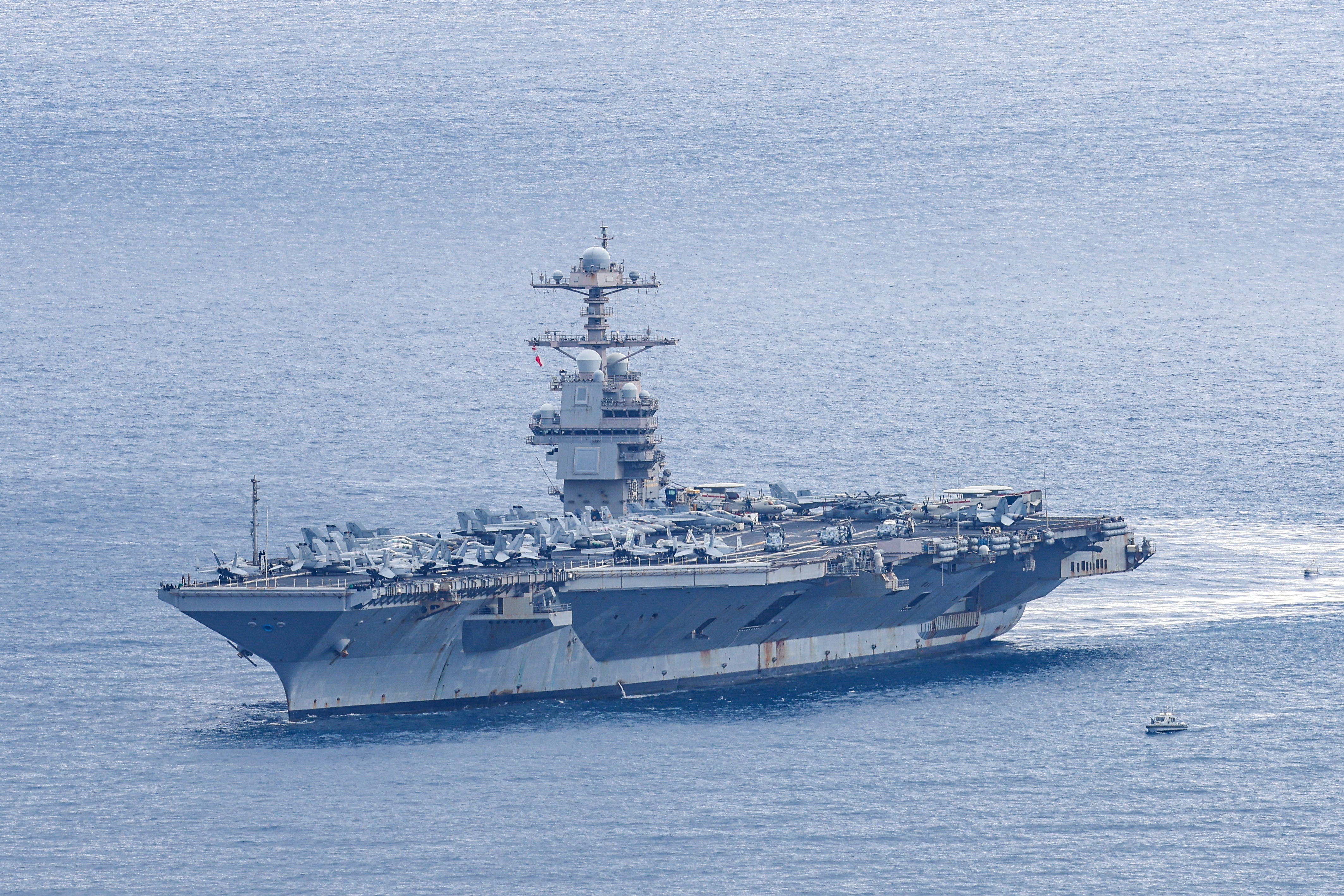
Meanwhile, on the foreign policy front, the president’s promises of a brief, easy war in Iran so far have not come true.
After two months of on-and-off fighting, the U.S. and Iran have not reached any form of agreement to end the conflict and reopen the Strait of Hormuz, imperiling the world economy.
The conflict has estranged the U.S. even further from its traditional allies in Europe and NATO, most of whom elected not to take part in the war, infuriating the president.
Earlier this week, German Chancellor Friedrich Merz said the U.S. was being “humiliated” by Iran, an unusually scathing criticism from an allied nation.
About the Author