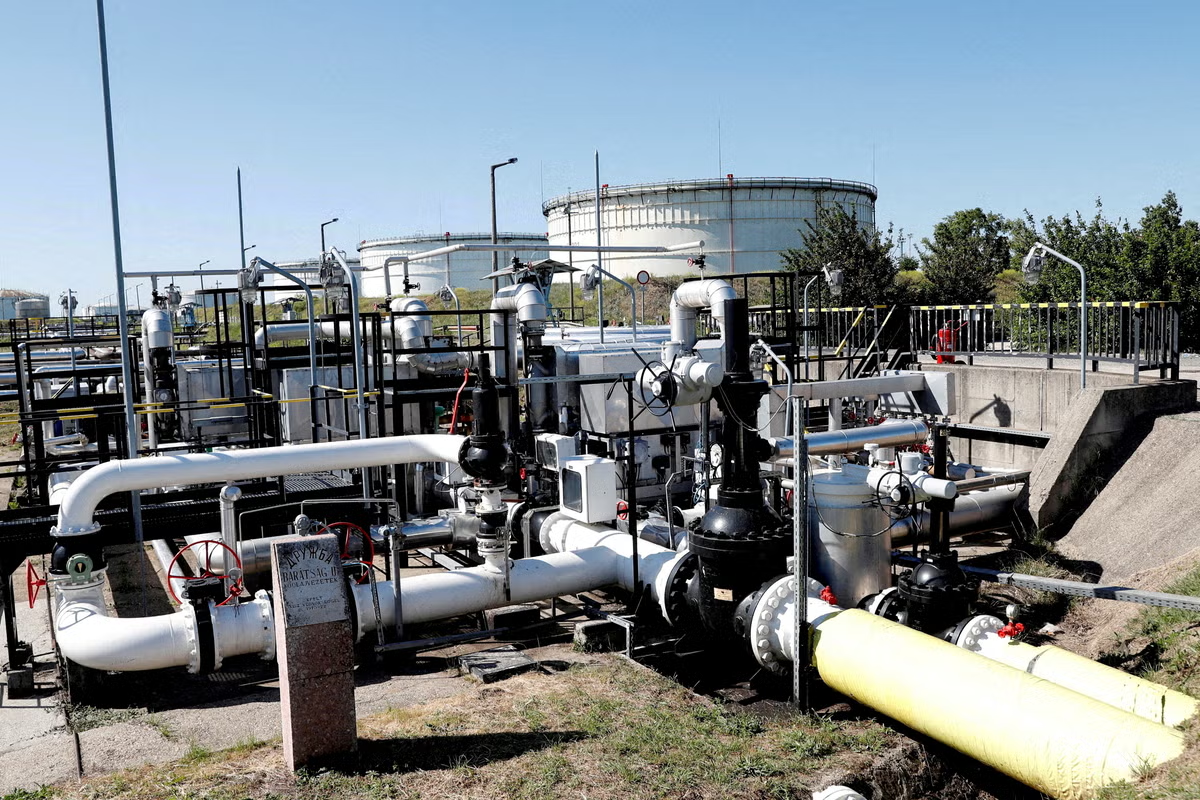
Kazakhstan is set to redirect crude oil previously destined for Germany via the Druzhba pipeline to Russian ports, its energy ministry announced on Tuesday.
This move follows Moscow’s declaration that it would cease Kazakh oil flows from May.
The diverted oil had been a crucial supply for the PCK Schwedt refinery, Berlin’s primary source of fuel. The German government took control of the refinery from its Russian majority stakeholder, Rosneft, in the wake of Russia’s 2022 invasion of Ukraine. Kazakh crude accounted for 17 per cent of the refinery’s total supply.
In May, approximately 160,000 tonnes of oil will now be sent to the Caspian Pipeline Consortium’s terminal on the Black Sea, with an additional 100,000 tonnes directed to Ust-Luga on the Baltic Sea.
Moscow’s decision to halt these Kazakh flows comes shortly after disruptions to Russian oil supplies via a separate branch of the Druzhba pipeline, which serves Hungary and Slovakia through Ukraine.
Kyiv attributed that incident to Russian drone attacks on oil infrastructure, while Hungary and Slovakia accused Ukraine of intentionally cutting off supply.
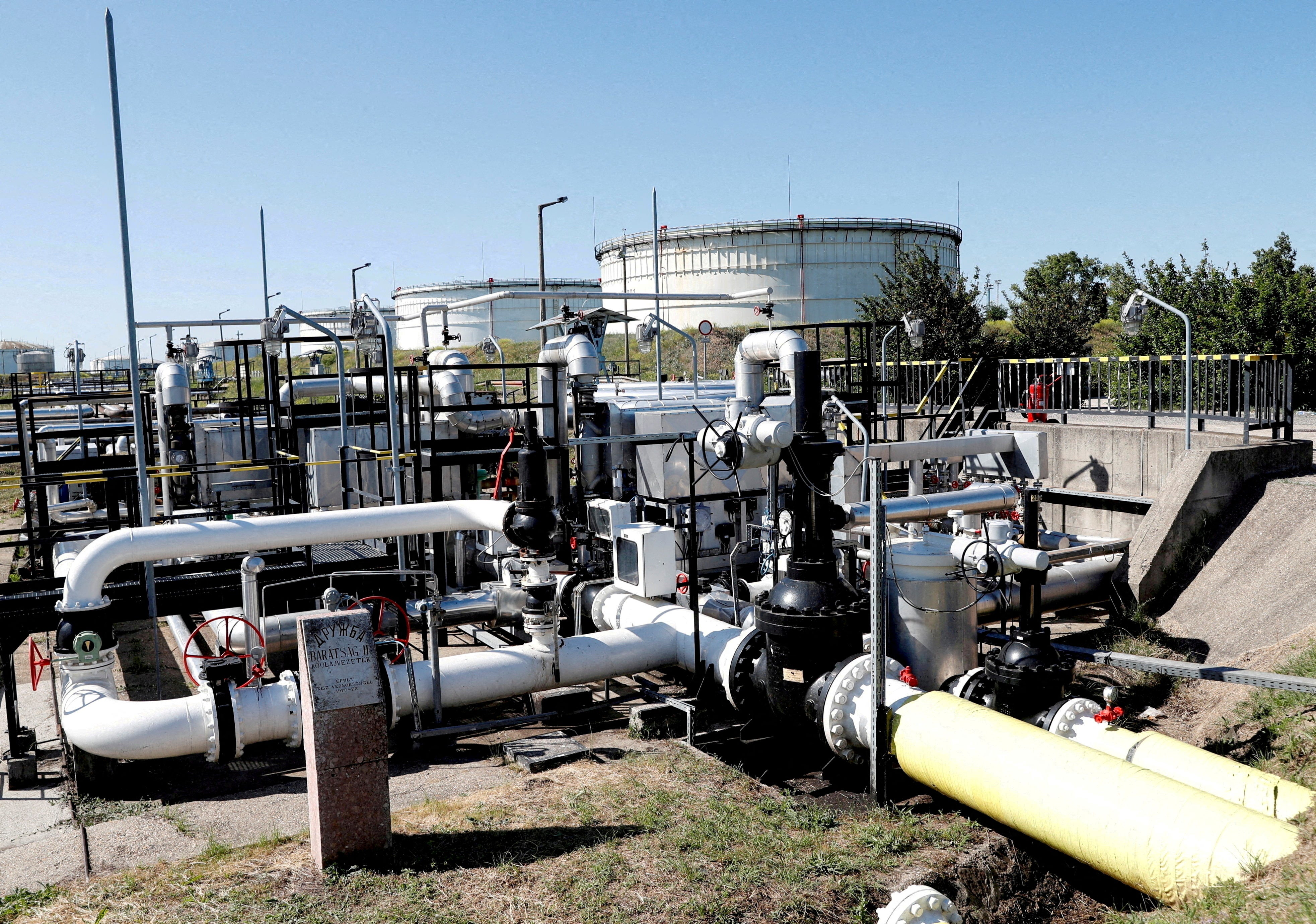
Russia’s Deputy Prime Minister Alexander Novak last week cited “technical reasons” for the halt to supply to Germany, offering no further explanation.
Industry sources said Ukrainian attacks on Druzhba facilities in Russia, including on the Unecha pumping station last year, could have reduced its capacity and ability to pump oil both to Germany and toward Hungary.
Reuters was unable to establish the level of damage to the facilities or their capacity.
Russian oil pipeline monopoly Transneft did not reply to a request for comment.
Ukraine has increased drone attacks in recent weeks on Russia’s energy infrastructure, including its oil-exporting ports.
Kazakhstan energy minister Erlan Akkenzhenov said last week the decision to halt flows of its crude to Germany had likely been caused by Ukrainian drone strikes, without elaborating.
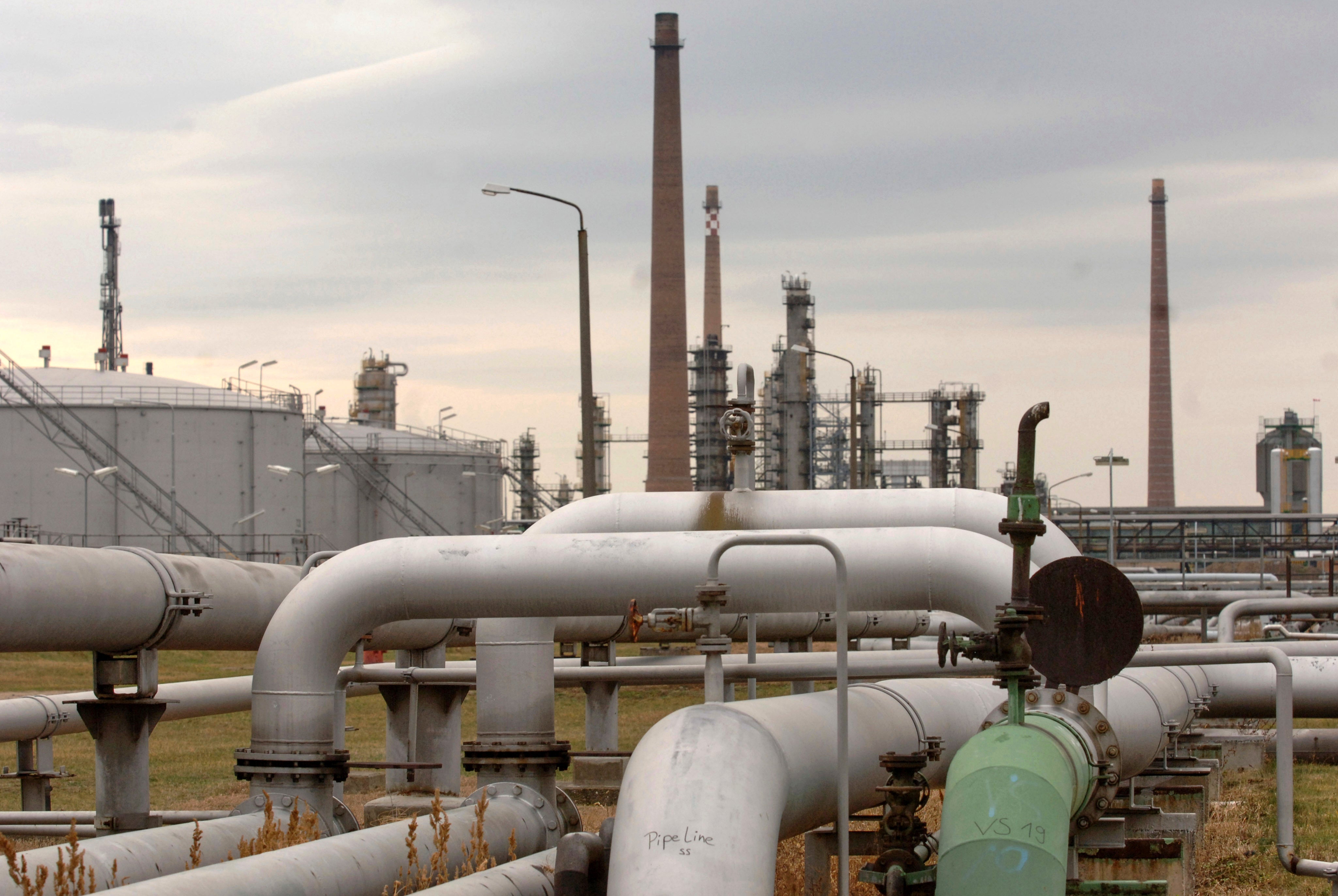
Igor Yushkov, an analyst at Russia’s government-run Financial University, said Russia’s ports security was in Europe’s interests.
“If Europe cannot influence Ukraine and attacks on Russian export terminals continue, the world risks losing not only part of Russian oil but also Kazakh oil, which would push prices higher,” he said.
Kazakhstan exported 2.146 million metric tons of oil to Germany last year via the Druzhba pipeline, or around 43,000 barrels per day. It sent 730,000 tons in the first quarter of 2026.
About the Author