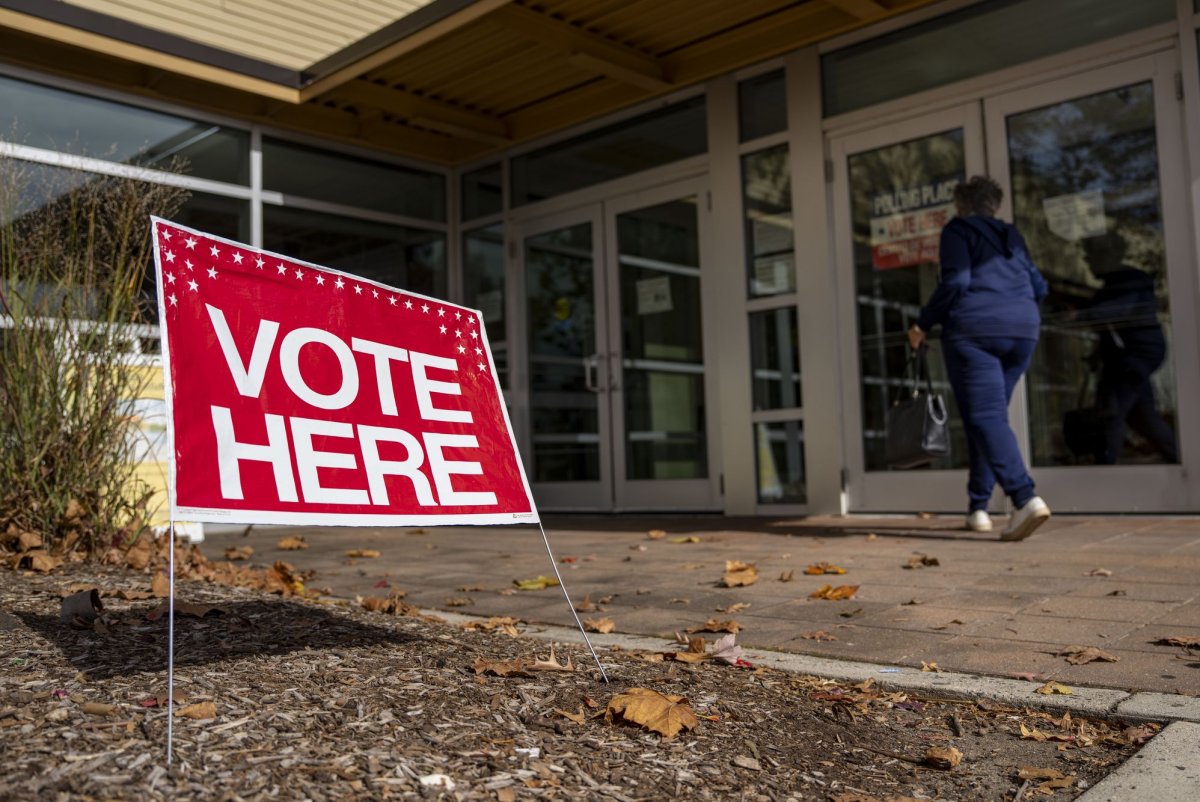
April 27 (UPI) — The Virginia Supreme Court heard oral arguments on Monday in a case filed by Republicans in the state who call a voter-approved amendment to the state’s Constitution allowing it to redistrict mid-decade if other states do so first.
Virginia voted on April 21 narrowly approved the referendum 51.33% to 48.67%, clearing the way for the state’s General Assembly to remap its congressional districts ahead of this November’s mid-term election.
The amendment would allow the state to temporarily adopt a new map that includes redrawn districts wherein 10 or the state’s 11 congressional districts would favor Democrats, as opposed to the current maps that favor them in six districts.
Virginia’s move to redistrict is one of several attempts by both Democrat and Republican run states that have redrawn their congressional districts in a tit-for-tat attempt to tilt the power in the U.S. House of Representatives.
While the back and forth started with Texas after President Donald Trump pushed for the state to help Republicans in the mid-term elections, California and Florida are among a handful of states that have also embarked on efforts to redistrict.
“Last week, the people of the commonwealth approved an amendment to the Virginia Constitution,” attorney Matthew Seligman, who is representing legislative leaders pushing for the amendment to go into effect.
The Constitution requires a process, including timing, for a change, which he said was followed properly during initial passage of the amendment during a special legislative session, another vote in January and then it was approved by voters in April, The Virginia Mercury reported.
“The General Assembly and the people thus complied strictly with every step that the Constitution requires,” he said. “As a result, the proposed constitutional amendment has been ratified and is now part of the Virginia Constitution.”
Republican lawmakers in the state, however, contend that legislators did not properly follow the law during the special section adopting the amendment the first time because the special session had been called to address budget issues and was not a proper time to have that vote.
The same lawmakers also claim that the amendment was required to be posted in public at county courthouses throughout Virginia for at least 90 days before the public voted on it, The New York Times reported.
About the Author