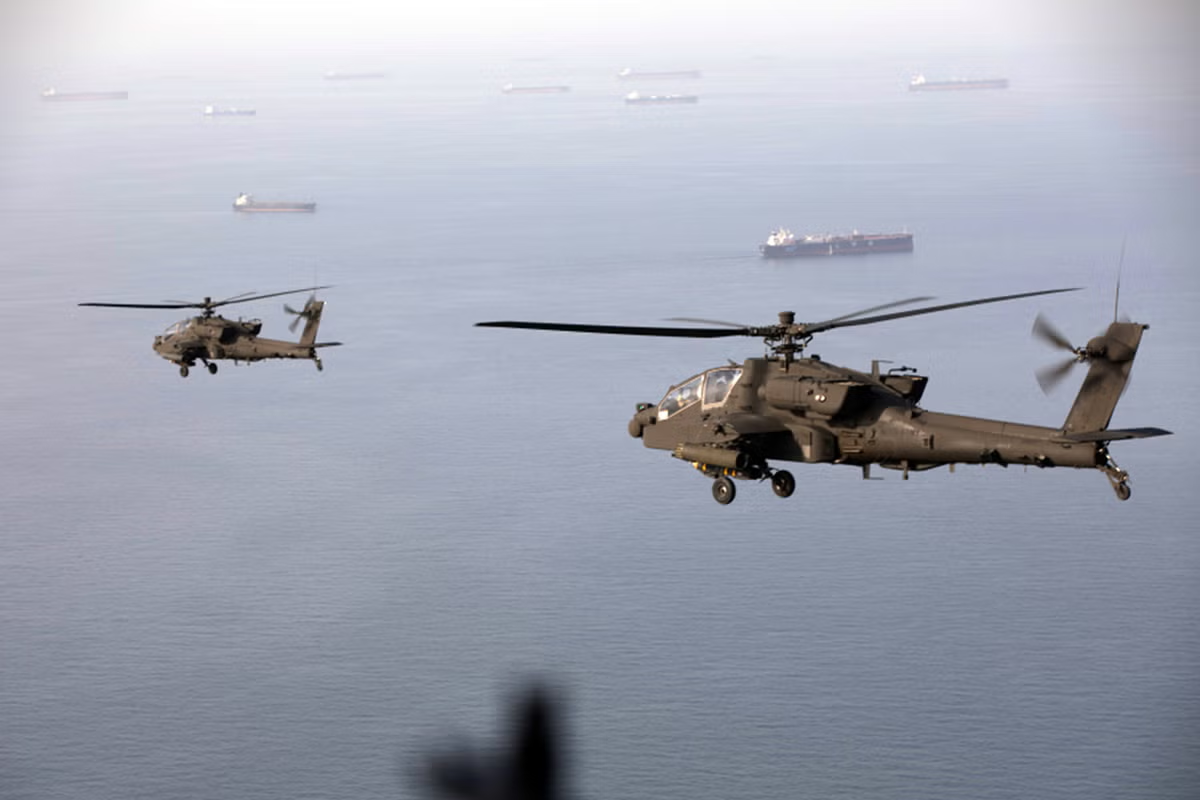
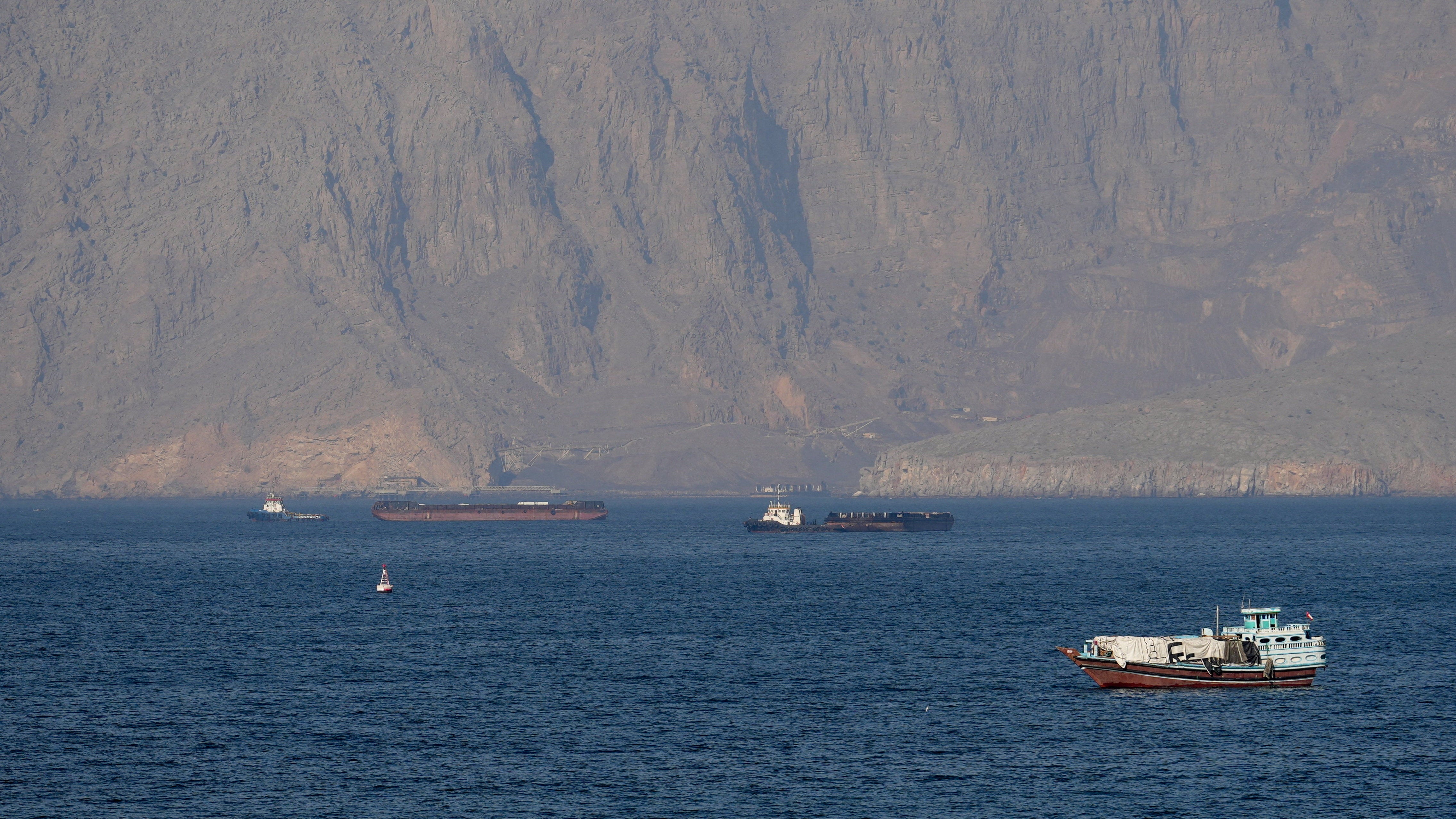
Tankers in the Gulf came under fire on Saturday as Iran reimposed its blockade of the Strait of Hormuz, just hours after declaring the vital waterway had reopened to commercial traffic.
At least two vessels reported being struck by gunfire as they tried to cross the strait, after Tehran said it would be shutting the strategic chokepoint in response to the continued US blockade on Iranian ports.
Hopes for diplomacy were dashed as Iran’s new supreme leader Mojtaba Khamenei said the nation’s navy was ready to inflict “new bitter defeats” on its enemies, with the US-Iranian ceasefire set to expire within days.
Iran’s foreign ministry cast fresh doubt on Donald Trump’s hopes for a second round of peace talks this weekend, revealing no date has been set and adding that a framework of understanding must be agreed first.
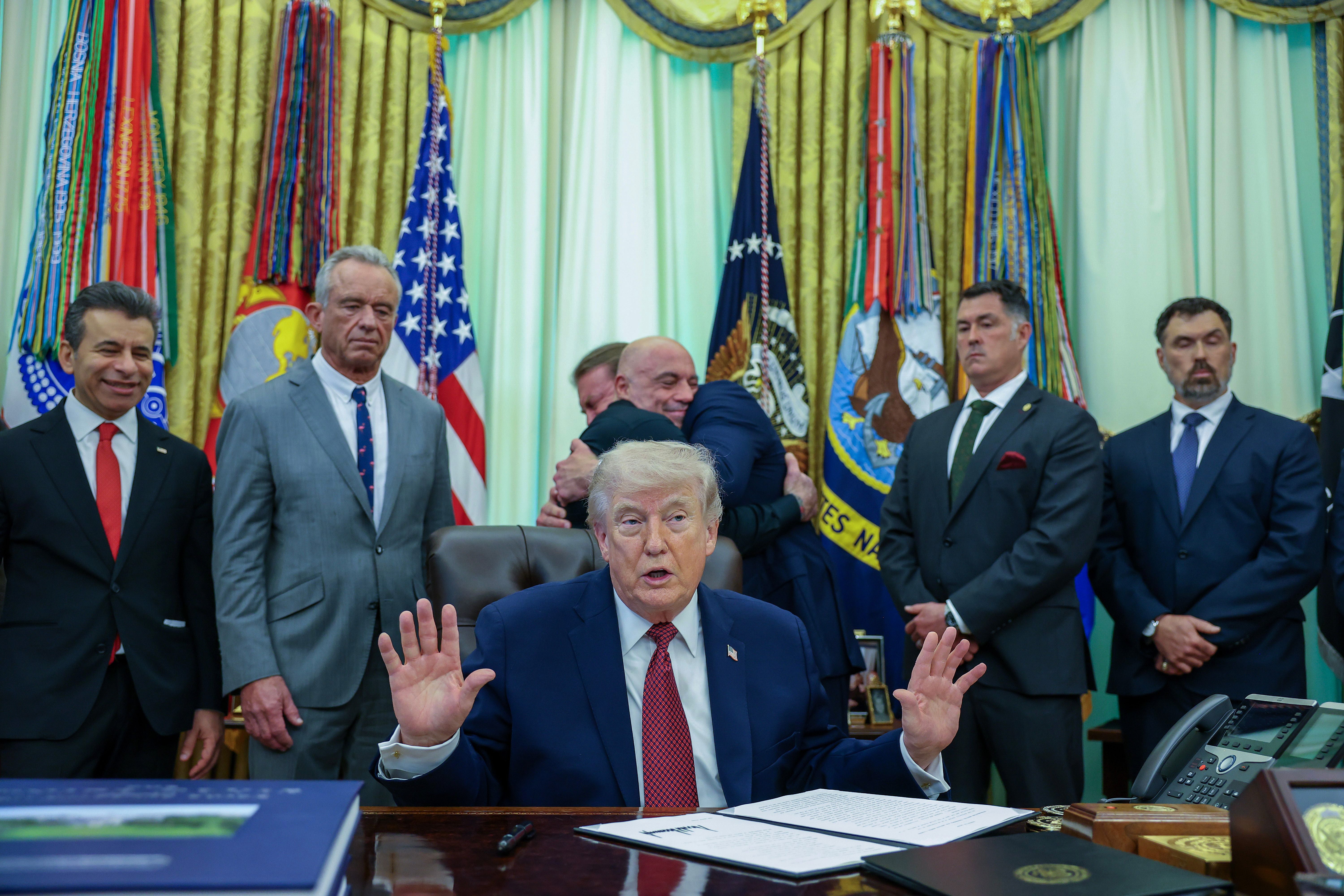
President Trump, who only yesterday said Iran had agreed never to close the strait again, played down the situation, telling reporters Iran had “got a little cute”, but that the US was still in talks and would not be “blackmailed”.
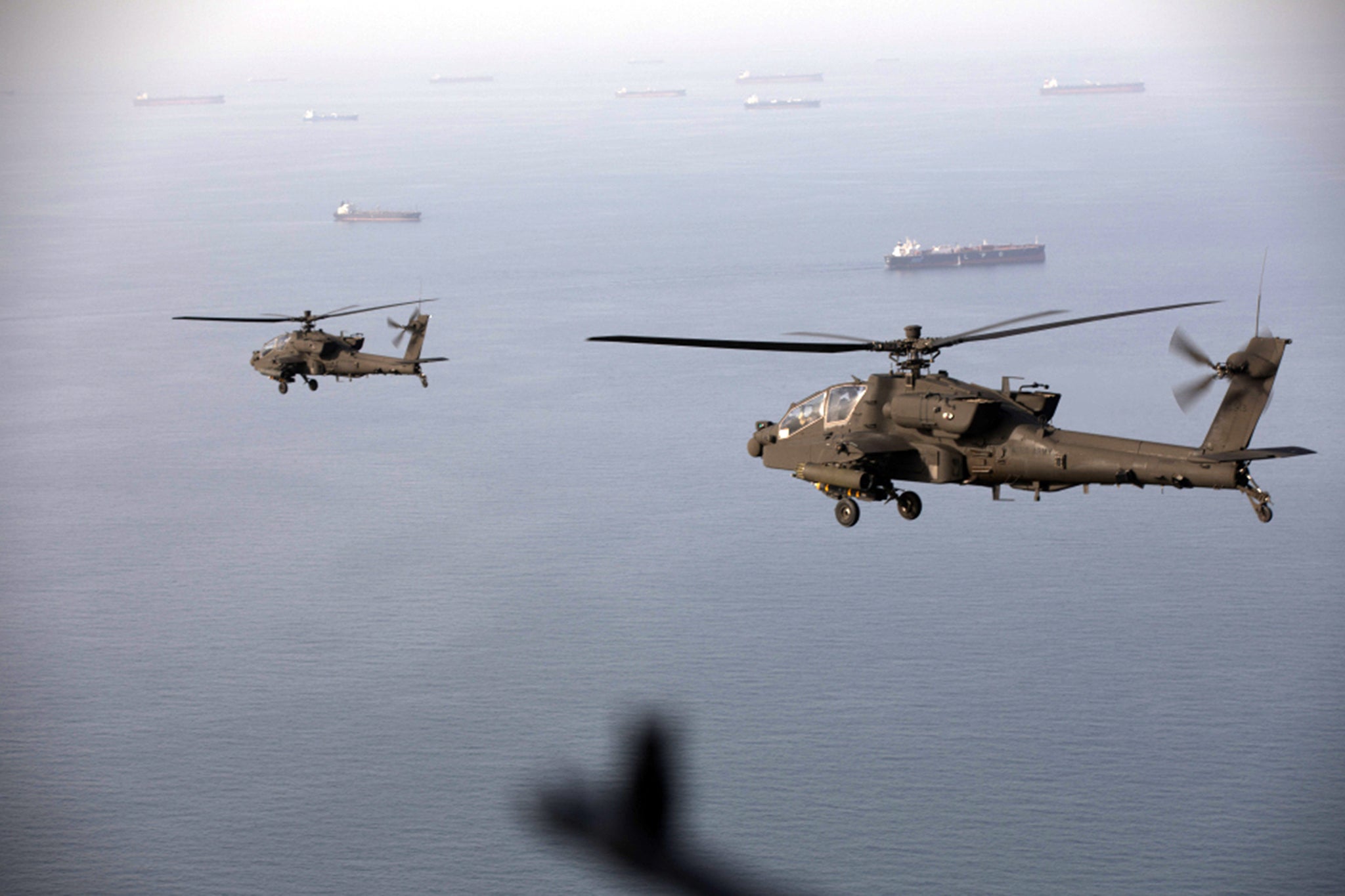
Maritime trackers had earlier shown eight tankers transiting the Strait of Hormuz in the first major movement of ships since the conflict erupted seven weeks ago.
But Iran’s armed forces soon said it was resuming control of the strait, accusing the US of violating the ceasefire agreement with the blockade east of the strait. Both sides accused each other of “piracy”.
Traffic came to an abrupt halt as the United Kingdom Maritime Trade Operations (UKMTO) agency said a tanker had been fired at by “two gunboats linked to Iran’s [Revolutionary Guards]” off Oman.
The captain of the tanker said the two gunboats opened fire without issuing a radio challenge, UKMTO said, adding that the vessel and its crew were reported safe.
Iran had reopened the strategic chokepoint on Friday, following the announcement of a 10-day ceasefire in the parallel conflict between Israel and Hezbollah in Lebanon.
It said the reopening was conditional on the US ending its blockade, while Trump said the US military would keep its ships in place until “our transaction with Iran is 100 per cent complete”.
As uncertainty weighed on the delicate two-week truce between Iran and the US, set to expire on Tuesday, Iran’s supreme national security council said it was considering new peace proposals from the US.
The agency said Iran is yet to respond to the new terms, which came about from mediation by Pakistan in recent days. Iranian sources said previously that a second round of direct talks could happen on Monday.
Trump was urging Iran to come to terms, threatening that he might allow the ceasefire to end unless a long-term deal is agreed by Wednesday.
“Maybe I won’t extend it, but the blockade (on Iranian ports) is going to remain,” he told reporters on Air Force One, on his way back to Washington from Phoenix, Arizona on Friday. “So you have a blockade, and unfortunately, we have to start dropping bombs again.”
As talks further deteriorated, US officials told the Wall Street Journal that the military was considering boarding ‘Iran-linked’ ships in international waters, expanding its naval crackdown beyond the Middle East.
The fragile truce in Lebanon, agreed on Thursday, was still holding on Saturday as thousands of people displaced by the conflicts made the long journey home.
A French soldier was killed and three others wounded while clearing a road in southern Lebanon in an attack peacekeepers and French officials said was likely carried out by Iran-backed Hezbollah.
French president Emmanuel Macron identified the deceased as Sergeant-Chef Florian Montorio of the 17th Parachute Engineer Regiment from Montauban.
“Everything suggests that responsibility for this attack lies with Hezbollah,” he said. “France demands that the Lebanese authorities immediately arrest the perpetrators and take their responsibilities alongside UNIFIL.”
Hezbollah denied responsibility for the attack in a statement.
About the Author