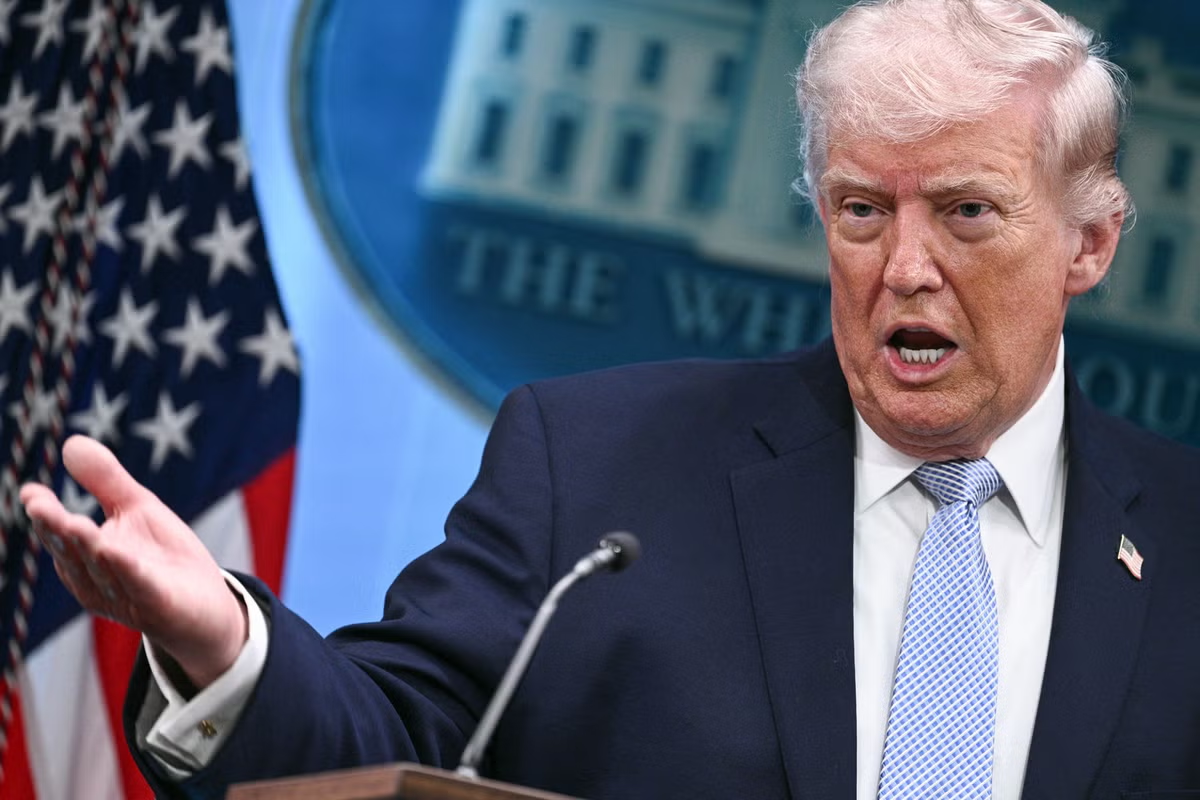
Donald Trump has reportedly issued Nato allies with an ultimatum to send warships to the Strait of Hormuz within days, as his ceasefire with Iran risks collapse over Israel’s deadly strikes on Lebanon.
Nato boss Mark Rutte told European leaders that Mr Trump expects partners to make concrete military commitments, according to Der Spiegel, casting the demand as an “ultimatum”.
Mr Trump’s edict came amid reports that he was drawing up a list of partners that supported or opposed his war in the Middle East, weighing up the removal of US forces from countries deemed resistant.
In another outburst on social media earlier in the day, the president lamented that “NATO WASN’T THERE WHEN WE NEEDED THEM, AND THEY WON’T BE THERE IF WE NEED THEM AGAIN. REMEMBER GREENLAND, THAT BIG, POORLY RUN, PIECE OF ICE!!!”
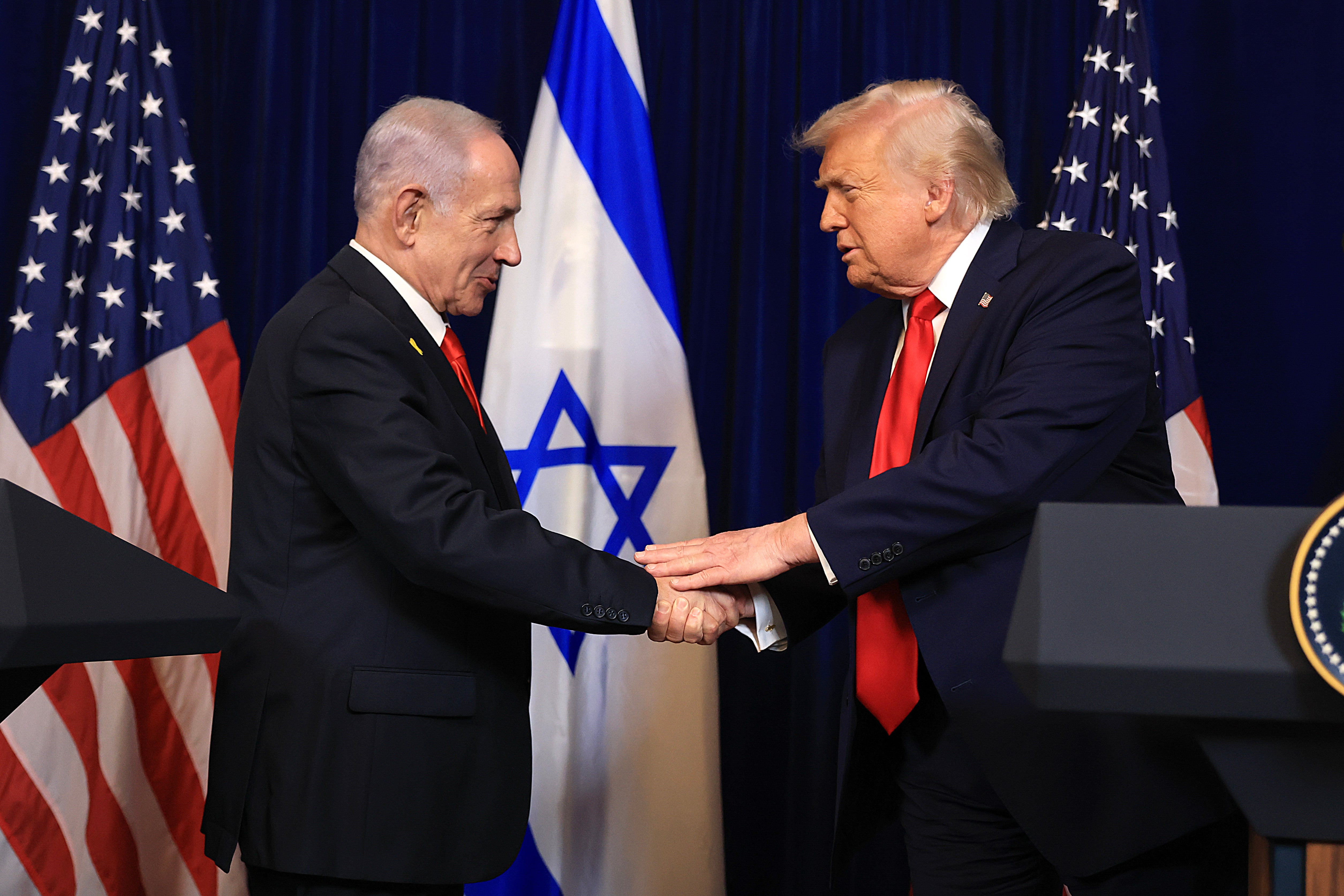
Mr Trump’s fragile ceasefire in the Middle East looked on the verge of collapse, with Iran threatening to pull out of talks if Israel presses on with strikes on Lebanon, including in Beirut. Iran accuses the US and Israel of flouting the ceasefire agreement.
Israel insists its operation is aimed at defeating Hezbollah, but experts have warned the action could lead to a similar humanitarian crisis as Gaza.
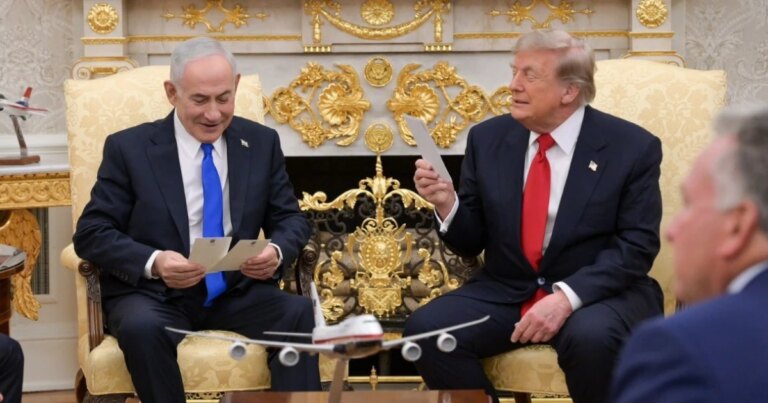
However, Mr Netanyahu appeared to shift his tone on Thursday, saying he had instructed his cabinet to start direct negotiations with Lebanon as soon as possible.
More than 1,700 people have been killed in Lebanon over the past six weeks, including over 250 in concentrated strikes on Wednesday. More than a million people, close to 20 per cent of Lebanon’s population, has already been displaced in six weeks.
Iran’s deputy prime minister Dr Saeed Khatibzadeh called Israel’s action a “grave violation” of the agreement and said “the coming hours are very critical” as the Islamic Revolutionary Guard Corps hinted it will resume fighting if the attacks on Lebanon do not stop.
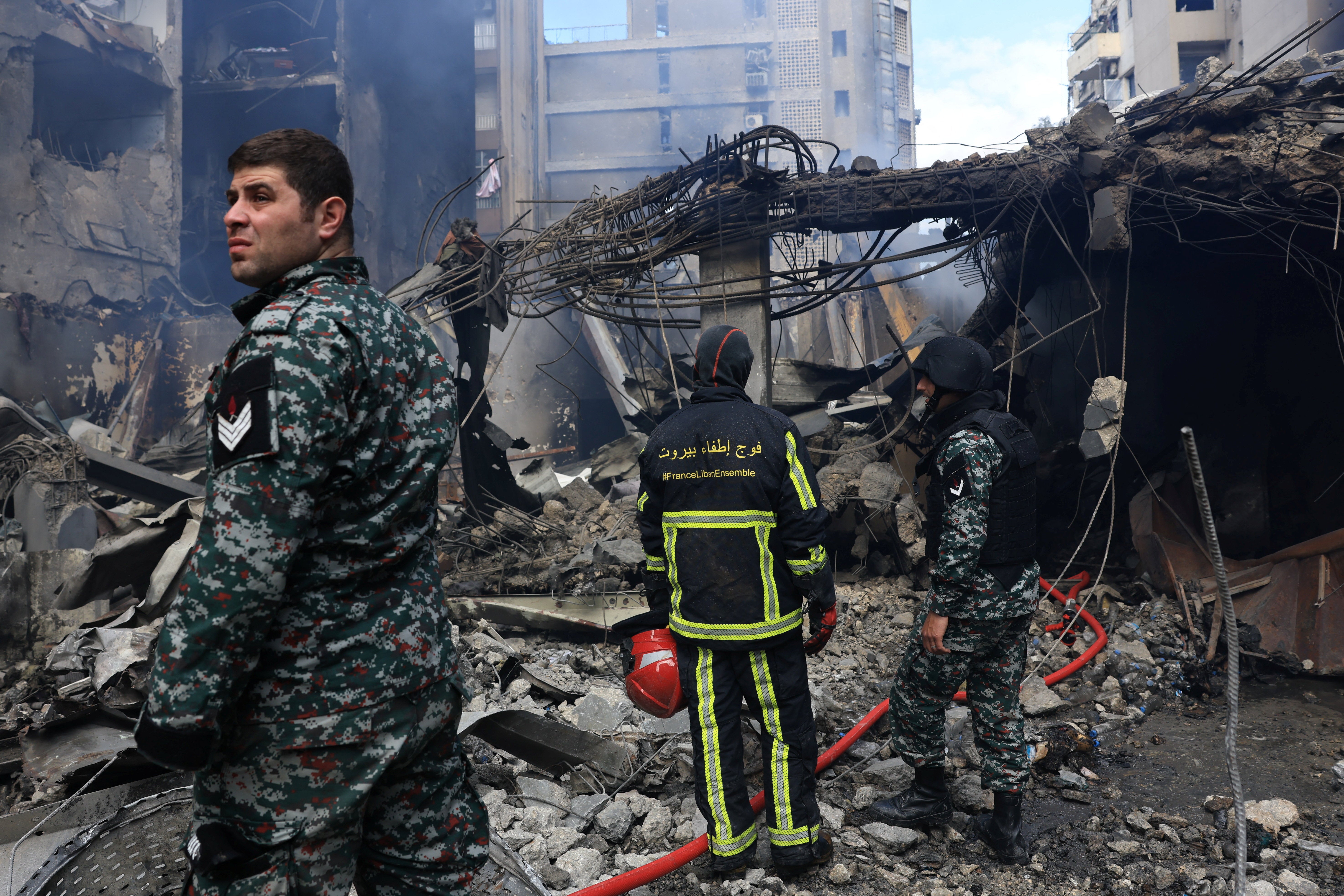
Dr Khatibzadeh said on Thursday that Iran was on the verge of responding to what it considered to be ceasefire violations on Wednesday night, but Pakistan intervened to prevent an escalation.
The IRGC said it would enact a “regret-inducing” response to the attacks if they continued, with state media quoting an official: “Any attack on the proud Hezbollah is an attack on Iran.”
Iranian president Masoud Pezeshkian added: “Iran will not abandon the Lebanese people”. Sensitivities were further heightened as Iranians turned up in droves to mourn supreme leader Ayatollah Ali Khamenei 40 days after he was killed in US-Israeli attacks on 28 February.
President Trump said that US military personnel would remain stationed around the region until the agreement is “fully complied with” and that “bigger, and better, and stronger” attacks would follow if it was breached.
Oil prices surged again in response to the confusion after initially plummeting on Wednesday following the ceasefire announcement.
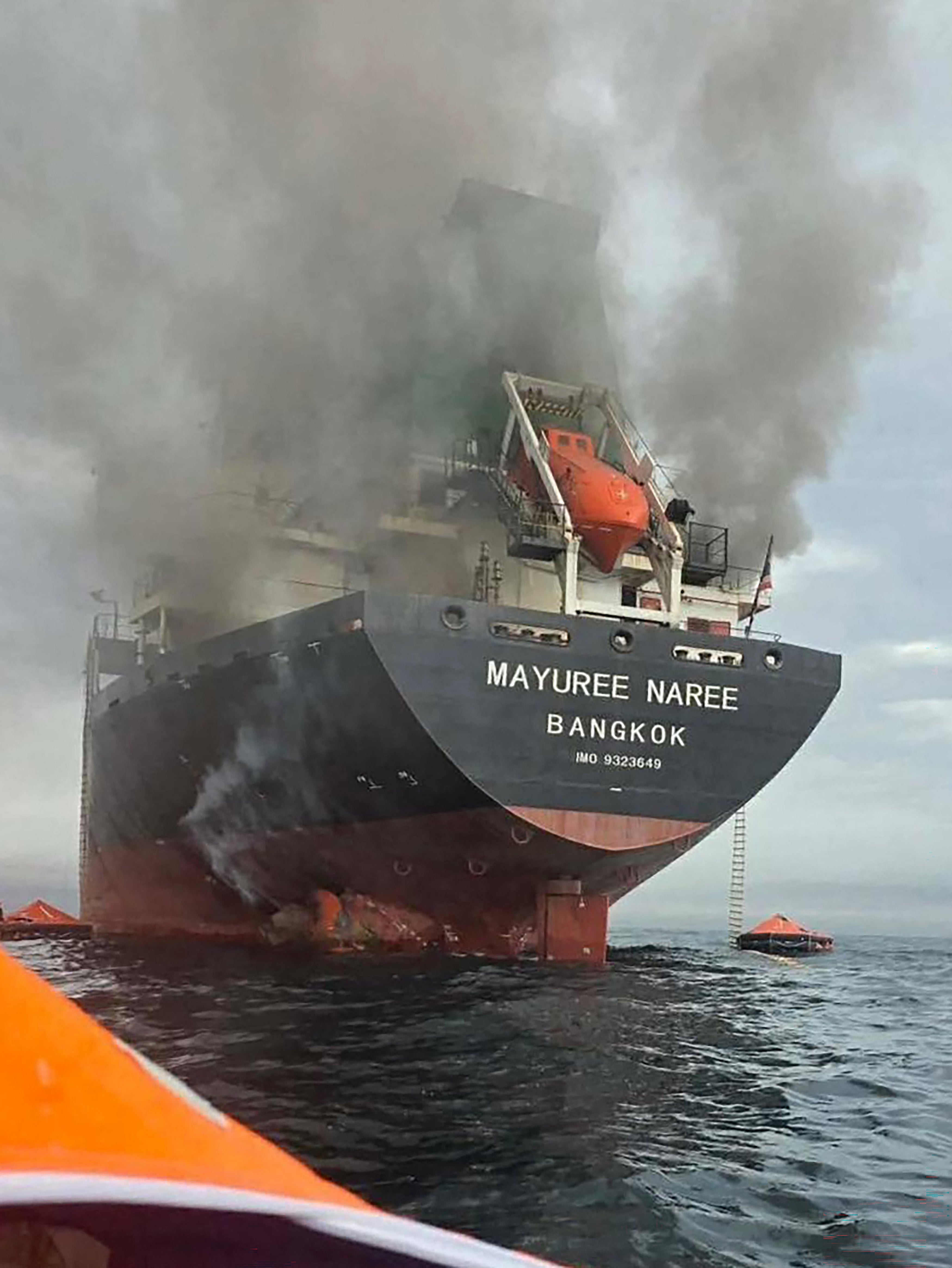
Multiple ship-tracking sources including Lloyd’s List Intelligence and Kpler said that movement through the Strait of Hormuz remains at a standstill.
Iran warned that ships passing through the vital waterway may be hit by “anti-ship mines in the main transit routes” due to the “state of war” as it advised vessels to follow alternative paths.
Iran’s navy stressed all vessels must stay in touch with security forces to avoid “potential collisions with naval mines”.
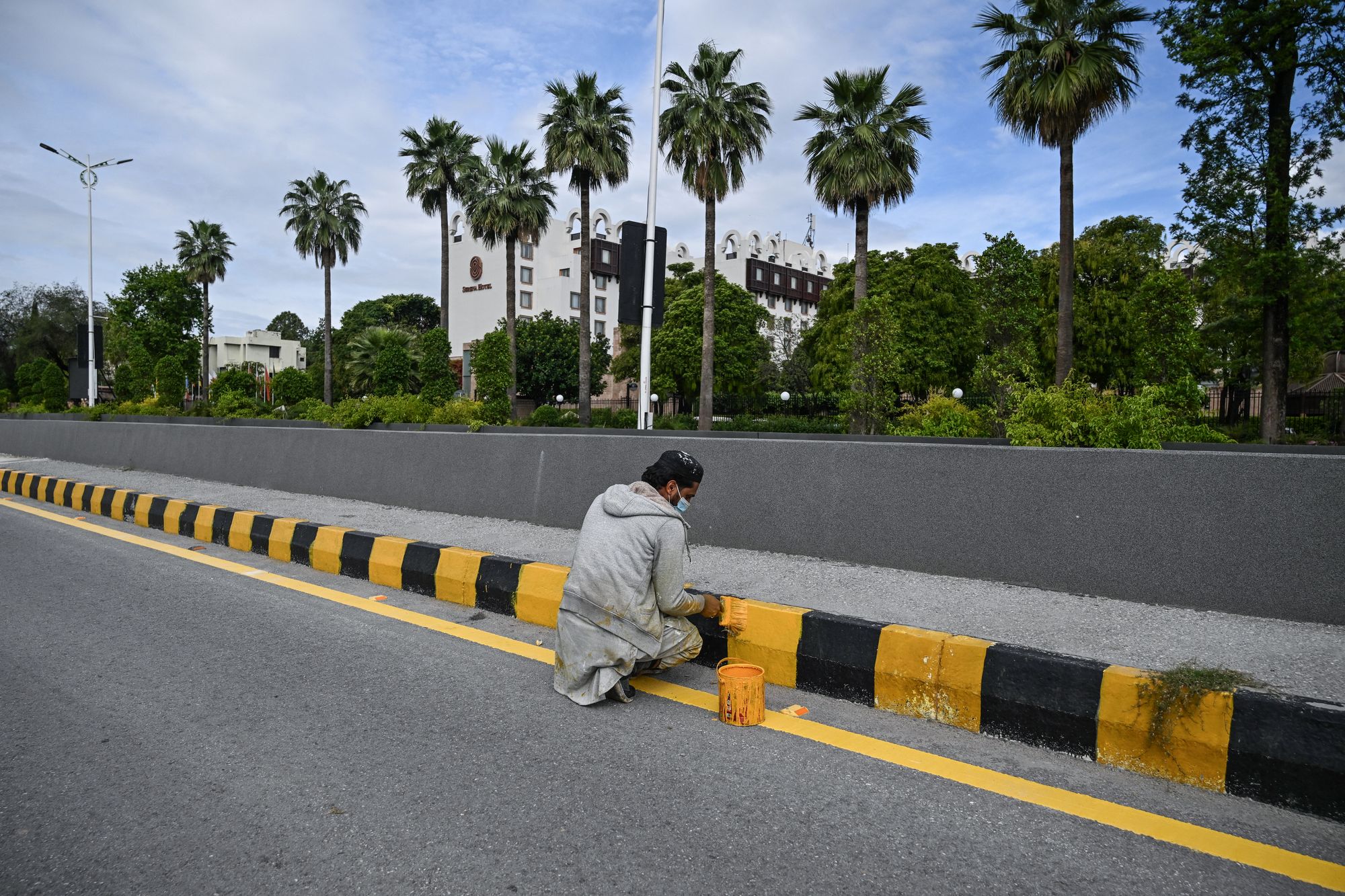
Peace talks are due to take place at the Serena Hotel in Pakistan’s capital Islamabad on Saturday, with vice-president JD Vance due to lead a US delegation, according to Axios, and Mohammad Bagher Ghalibaf, Iran’s parliamentary speaker, to lead the Iranians, according to reports.
But Tehran has also threatened to walk away from the process entirely, citing Israeli violations of the ceasefire as grounds to withdraw, sources told The Wall Street Journal.
Israel’s actions have sparked international outrage with British foreign secretary Yvette Cooper condemning the escalation as “deeply damaging” and calling for Lebanon to be “urgently included” in the agreement.
The European Union’s foreign affairs chief Kaja Kallas criticised the number of civilian deaths in Lebanon and said it was becoming “hard to argue that such heavy-handed actions fall within self-defence”. Ms Kallas called on the ceasefire agreement to be extended to Lebanon.
President Emmanuel Macron and French foreign minister Jean-Noel Barrot said the agreement must cover Lebanon as France condemned “massive” Israeli strikes.
Mr Barrot said Iran must give up the right to nuclear weapons, surrender its use of missiles and drones to threaten other countries in the region and stop supporting militant groups, including Hezbollah, Hamas and the Houthis.
Germany’s chancellor Friedrich Merz said his country had resumed direct talks with the Iranian leadership and said he does not want “Nato to break apart” amid the crisis and said he had encouraged President Trump to pursue negotiations “with urgency”.
Mr Netanyahu is also facing backlash within Israel with opposition leaders calling his actions in Iran and Lebanon a “historical disaster”.
About the Author