Immigration judges who were fired or forced out of their jobs say Donald Trump’s administration launched a pressure campaign against them with threats of disciplinary action if they didn’t keep up with demands to deport tens of thousands of people from the country.
More than a dozen federal judges who served under the Trump administration they felt pressured to order the removals of immigrants pleading for relief in their courtrooms — or risk losing their jobs.
Judges are used as “puppets for the administration with a singular goal of deporting as many people as possible as quickly as possible,” according to Shuting Chen, an immigration judge who was fired in November.
“All of us are looking over our shoulders,” immigration judge Holly D’Andrea, president of the National Association of Immigration Judges, told The Times.
Their accounts depict a system of due process in free fall, with the fates of more than three million people whose cases are working their way through immigration courts at stake.
Unlike federal courts, immigration courts and the judges who run them operate under the Department of Justice and, ultimately, the president. In their courtrooms, immigration judges determine whether immigrants can be deported or granted a form of legal status like asylum.
There are more than 70 immigration courts around the country, including courthouses in detention centers and federal buildings, including a notorious floor inside 26 Federal Plaza in downtown Manhattan.
“You’re a bureaucrat,” said David Koelsch, who retired last year. “You’re not a lofty judge sitting in some sort of oak-walled chamber. You’re doing a bread-and-butter job on an assembly line.”
But after Trump took office, the Justice Department’s Executive Office for Immigration Review told judges to grant motions from government lawyers to immediately dismiss immigrants’ cases, making them easy targets for arrest and removal.
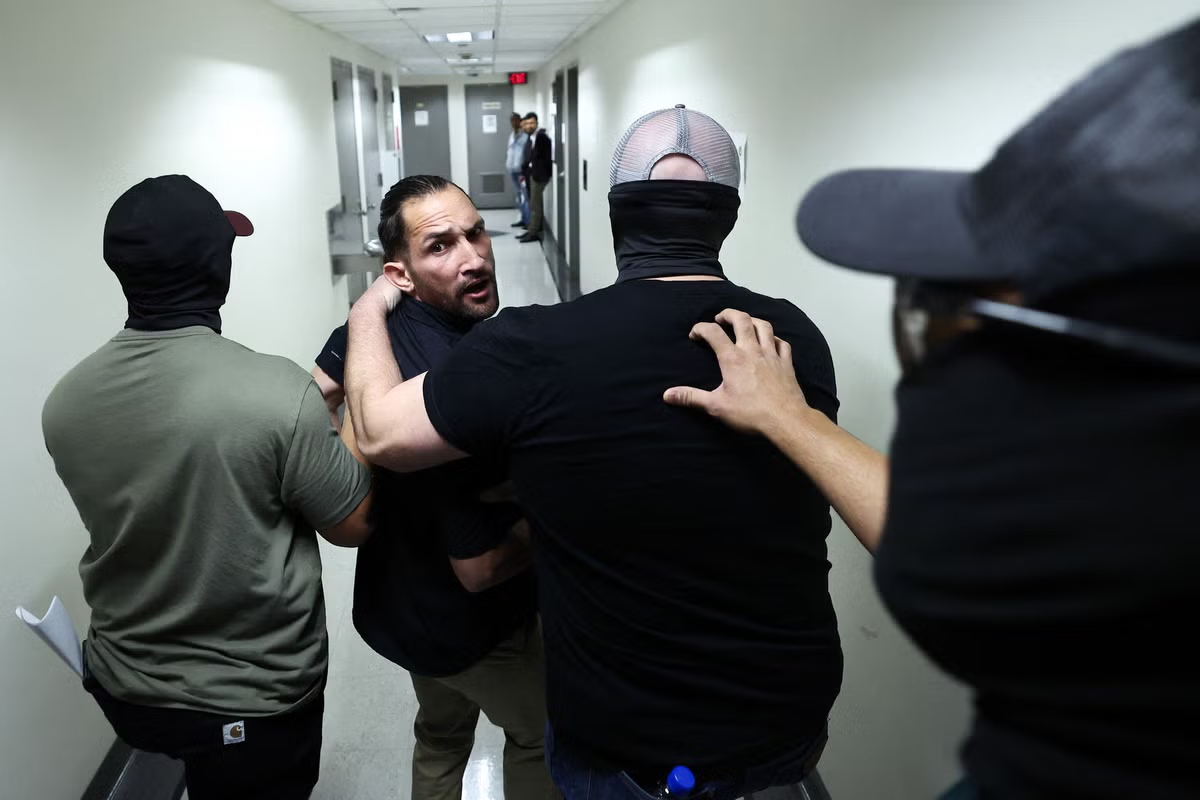
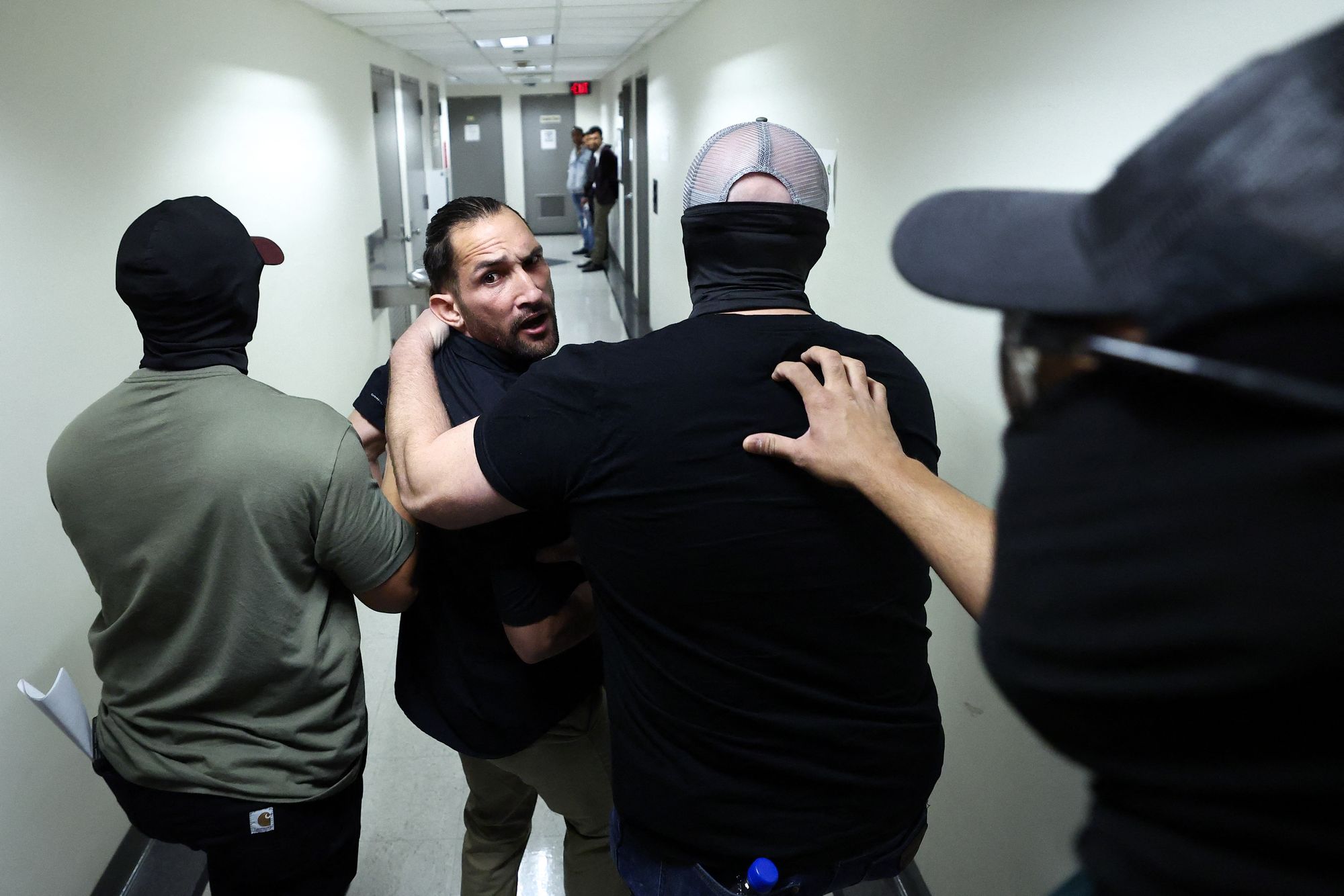
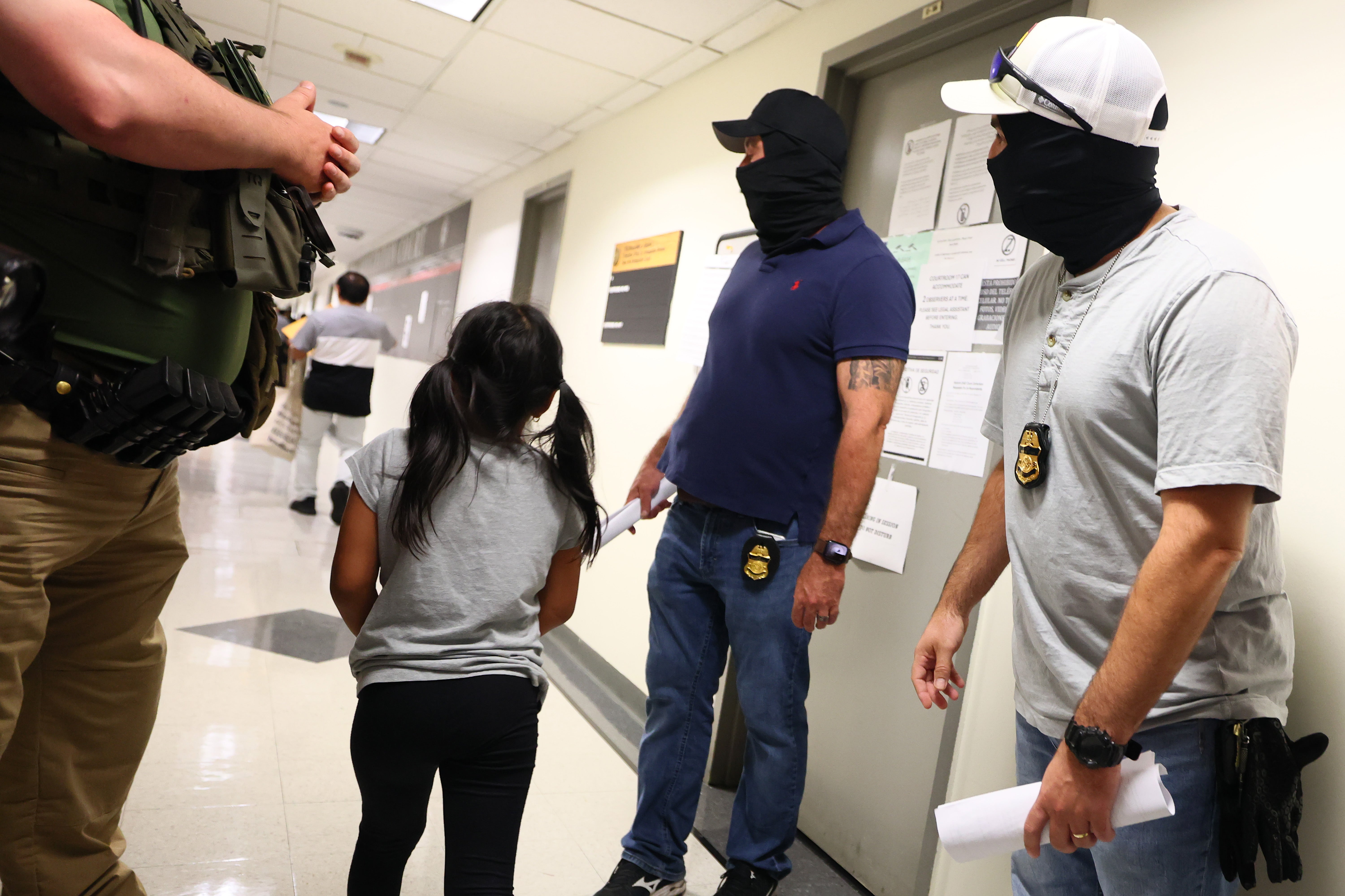
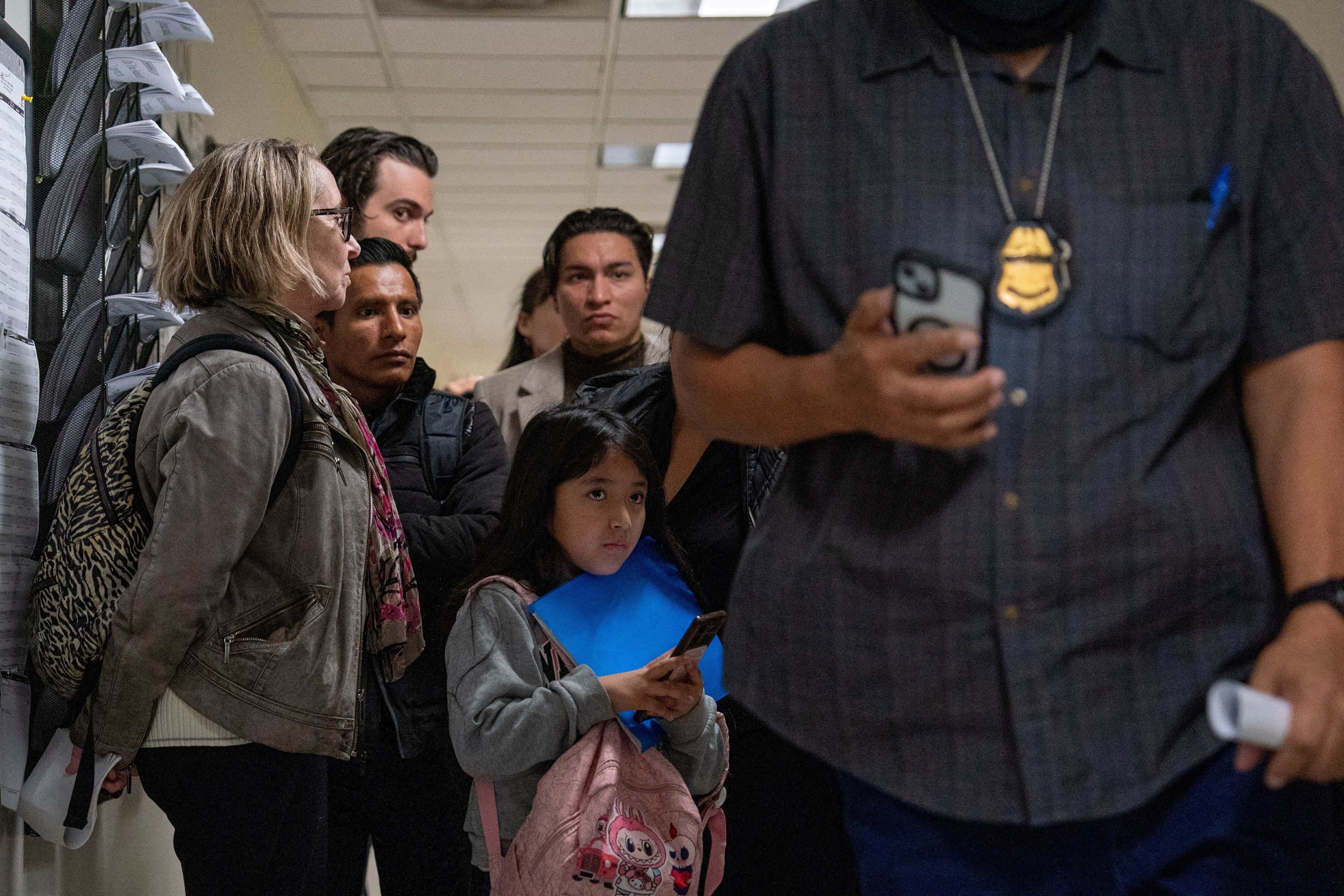
Those strategies have generated scenes of masked federal agents patrolling courthouse hallways and hauling away immigrants the moment they leave their hearings.
The administration also instructed judges to deny bond to immigrants who crossed the border illegally, upending decades of precedent and keeping people in detention for weeks or months no matter how long they have lived in the country or if they don’t have any criminal record.
Judges who are seen as insufficiently deferential to the president’s anti-immigration agenda have been fired or forced out from the job, according to judges and the union that represents them.
The Justice Department fired the acting head of the immigration court system and three other top officials on Trump’s first day in office.
In the months that followed, more than 100 immigration judges have left their posts, The Independent previously reported.
Dramatic purges in New York City and San Francisco at the end of last year saw the removal of the assistant chief judge in Manhattan and firings of nearly half of San Francisco’s 21 judges, leading the Justice Department to shut down the main courthouse there altogether.
Dozens of other judges have retired or resigned since the start of the Trump administration.
“It’s a dismantling of the court system,” fired San Francisco judge Jeremiah Johnson told The Times.
Those departures whittled down the number of immigration judges by roughly 16 percent within less than a year, The Independent found.
The Independent has requested comment from the Justice Department.
At the same time, the Justice Department has significantly lowered the bar for new “temporary” hires to fill those roles, with the administration giving itself broad “discretion” to hire “any attorney” to make crucial decisions for tens of thousands of people whose future in the U.S. is at risk.
The Department of Defense also approved sending up to 600 military lawyers to the Justice Department to “augment existing resources to help further combat a backlog of cases by presiding over immigration hearings,” The Independent previously reported.
Since those changes, the administration has appointed nearly 150 permanent and temporary judges — including military lawyers and former prosecutors from the Department of Homeland Security.
The strategy appears to be working. Deportation orders are spiking, and judges are granting asylum claims in fewer than 10 percent of cases this year, the lowest rate for which data is available, according to an analysis from The Times.
Before they were fired or forced out, judges granted asylum to 46 percent of applicants during the current administration — well above the 15 percent approval rate for those who have remained, The Times found. New judges have granted asylum in roughly 6 percent of cases.
A proposed rule change at the Board of Immigration Review would also effectively order the immigration court system’s appellate panel to dismiss most of the cases before them.
Judges can still grant bond hearings to people who have overstayed their visas or otherwise entered the U.S. legally but have lapsed legal status, making them vulnerable for removal.
Chief immigration judge Teresa Riley, however, has reportedly asked judges to explain their bond decisions, and supervisors are alerted any time bond is granted, according to The Times.
One current judge told the newspaper that the “pressure to deny bond is overt.”
In a stunning admission in federal court last month, a top federal prosecutor in Manhattan said Immigration and Customs Enforcement had falsely stated that officers can arrest people inside immigration courts.
U.S. Attorney Jay Clayton repeatedly expressed “regret” in a letter to a federal judge, saying that his office mistakenly defended an ICE memo that “does not and has never applied” to immigration court arrests.
He blamed ICE and the agency’s legal team, which “specifically informed” his office that a Trump-era memo “applied to immigration courthouse arrests,” according to Clayton.
The documents were included in litigation stemming from a lawsuit against the Trump administration’s “sweeping, unprecedented campaign of targeting noncitizens at their immigration court proceedings” and “summarily arresting them as they exit.”
In courthouse hallways, immigrants leaving their hearings have been seen saying goodbye to their family members and children in tears, moments after arriving in the building with them. In New York, ICE has sent dozens of immigrants arrested in court to detention centers in Texas and Louisiana for months at a time.
About the Author