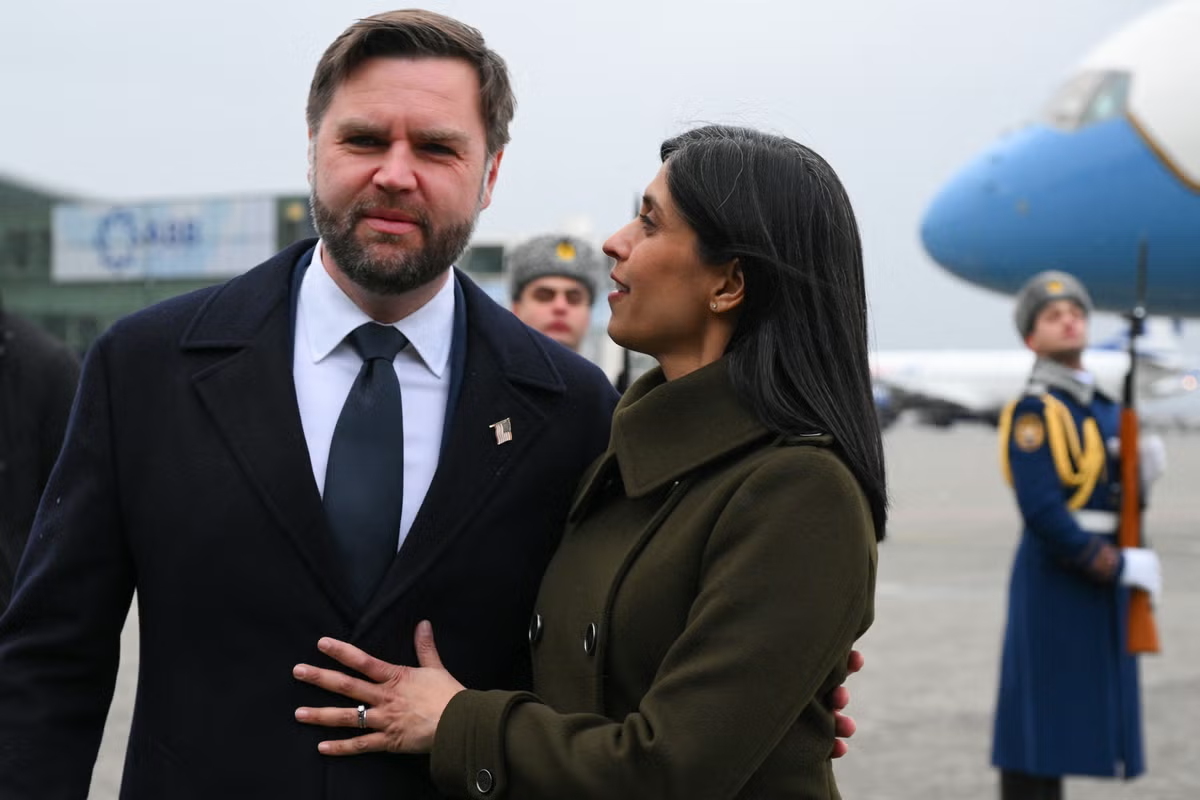
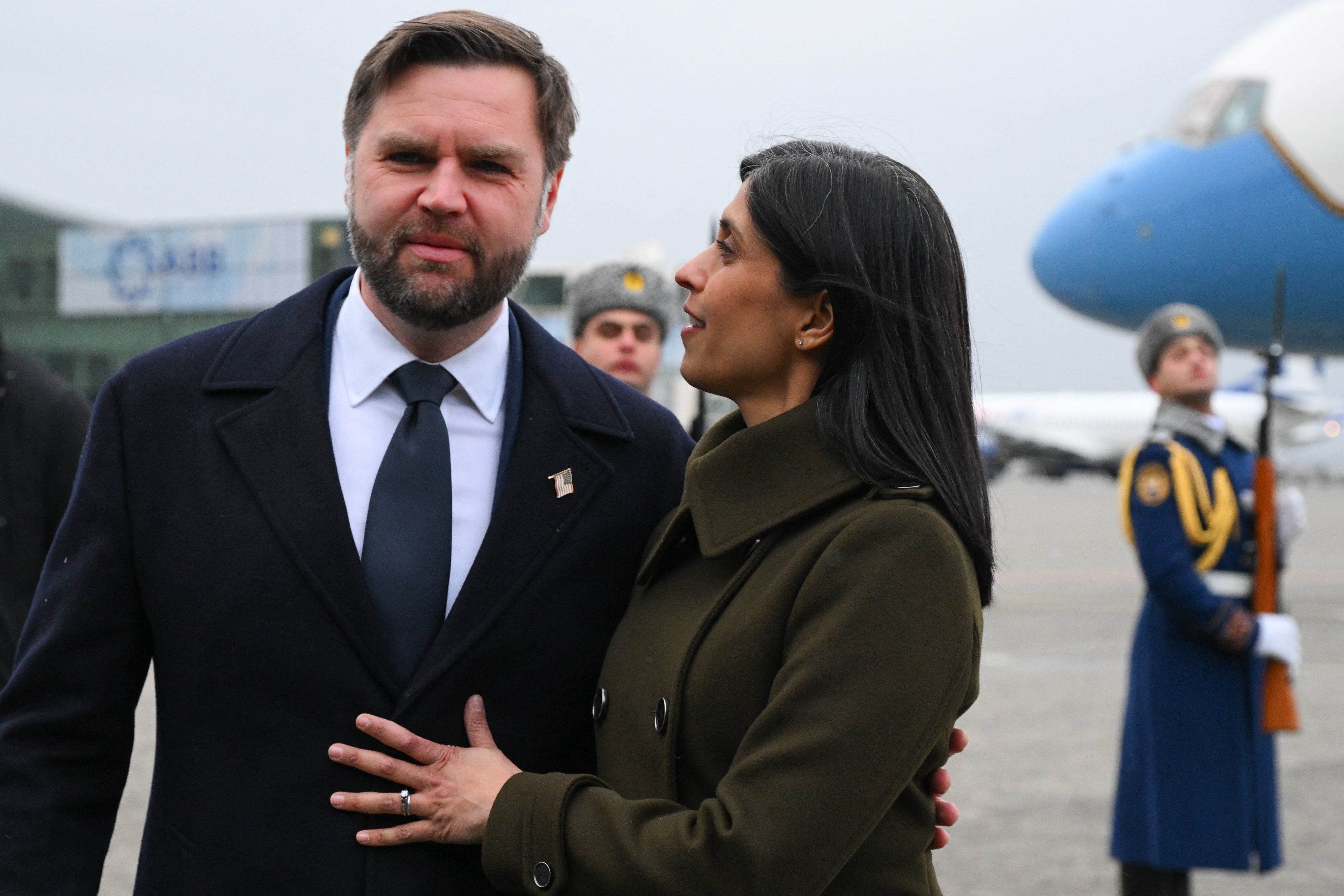
Vice President JD Vance has used an analogy about second lady Usha Vance to explain issues with the Iran war ceasefire.
After more than five weeks of fighting between the U.S. and Iran, the two countries agreed to a two-week ceasefire as the sides attempt to negotiate an end to the deadly conflict in the Middle East.
President Donald Trump had said since the start of the war that his goal was to prevent Iran from ever having a nuclear weapon.
Before Israel and then the U.S. began striking Iran’s nuclear sites last summer, Iran had enlarged its stockpile of uranium enriched to near weapons-grade levels, according to a confidential report by the United Nations’ International Atomic Energy Agency obtained by the Associated Press.
While speaking to the press about the U.S.-Iran ceasefire on the tarmac in Budapest, Hungary, a reporter asked Vance, “Do you see a scenario in which the administration may be willing to agree to allow Iran to continue enriching uranium for civilian nuclear purposes?”
Nuclear energy isn’t just used for weapons-making, but can also generate electricity, provide drinkable water through seawater desalination, and is used in medical treatments.
“What the president has said is that we don’t want Iran to have the capacity to build a nuclear weapon. The president has also said that we don’t want Iran enriching towards a nuclear weapon and we want Iran to give up the nuclear fuel. Those are going to be our demands during the negotiation,” Vance said.
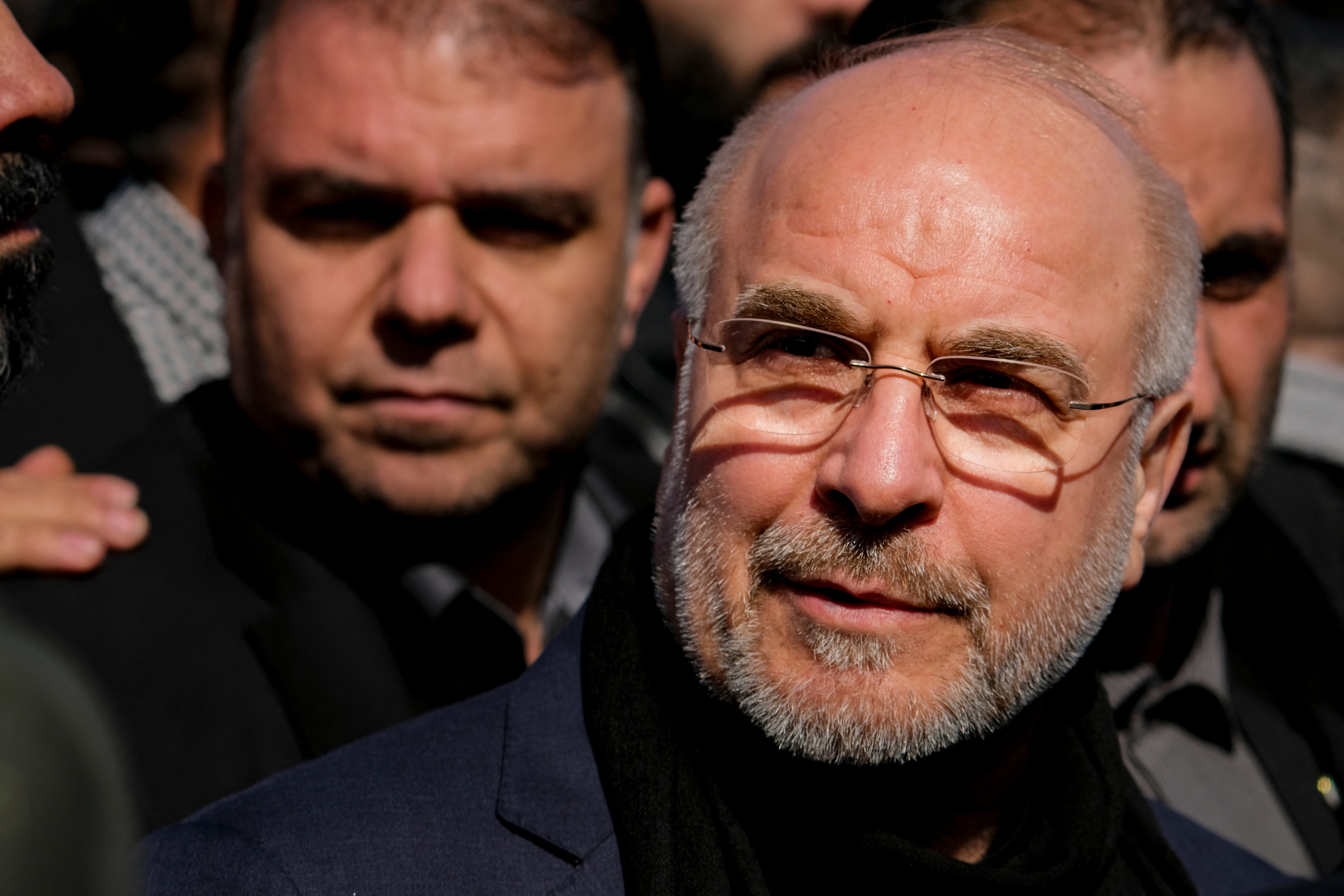
The vice president later mentioned that Mohammad Bagher Ghalibaf, the speaker of the Iranian Parliament, noted that his country’s 10-point proposal to end the war included “Iran’s right to enrichment.”
“I thought to myself, you know what? My wife has the right to skydive, but she doesn’t jump out of an airplane because she and I have an agreement that she’s not going to do that because I don’t want my wife jumping out of an airplane,” Vance said in reaction to Ghalibaf’s comment.
“We don’t really concern ourselves with what they claim they have the right to do. We concern ourselves with what they actually do,” the vice president said.
Ghalibaf’s comment was part of a larger statement accusing the U.S. of violating parts of its peace plan, which the speaker said Trump had called a “workable basis on which to negotiate.”
A White House official told Iran’s published plan does not match the framework Trump was referring to.
When asked for comment about Trump’s views on Iran’s proposal, White House spokesperson Anna Kelly told The Independent, “As the White House has said, these are ongoing discussions and the United States will not negotiate through the press.
“President Trump believes that the current plan is a workable document that can lead to lasting peace in the Middle East.”
Vance will lead the U.S. negotiating team in peace talks in Pakistan’s capital of Islamabad starting Saturday, the White House has announced.
About the Author