For more than a decade, the Gilgo Beach serial killings baffled investigators. The break came from an unlikely source – a discarded pizza crust.
In January 2023, architect and “family man” Rex Heuermann threw away a pizza box on Fifth Avenue outside his Manhattan office. Months later, DNA from the leftover crust linked him to a 2010 murder and, later, a string of unsolved killings in a chilling case that has haunted New York’s Long Island for years.
Prosecutors alleged Heuermann was responsible for the deaths of seven women: Melissa Barthelemy, 24, Maureen Brainard-Barnes, 25, Amber Lynn Costello, 27, Megan Waterman, 22, Sandra Costilla, 28, Jessica Taylor, 20, and Valerie Mack, 24. He initially denied them all.
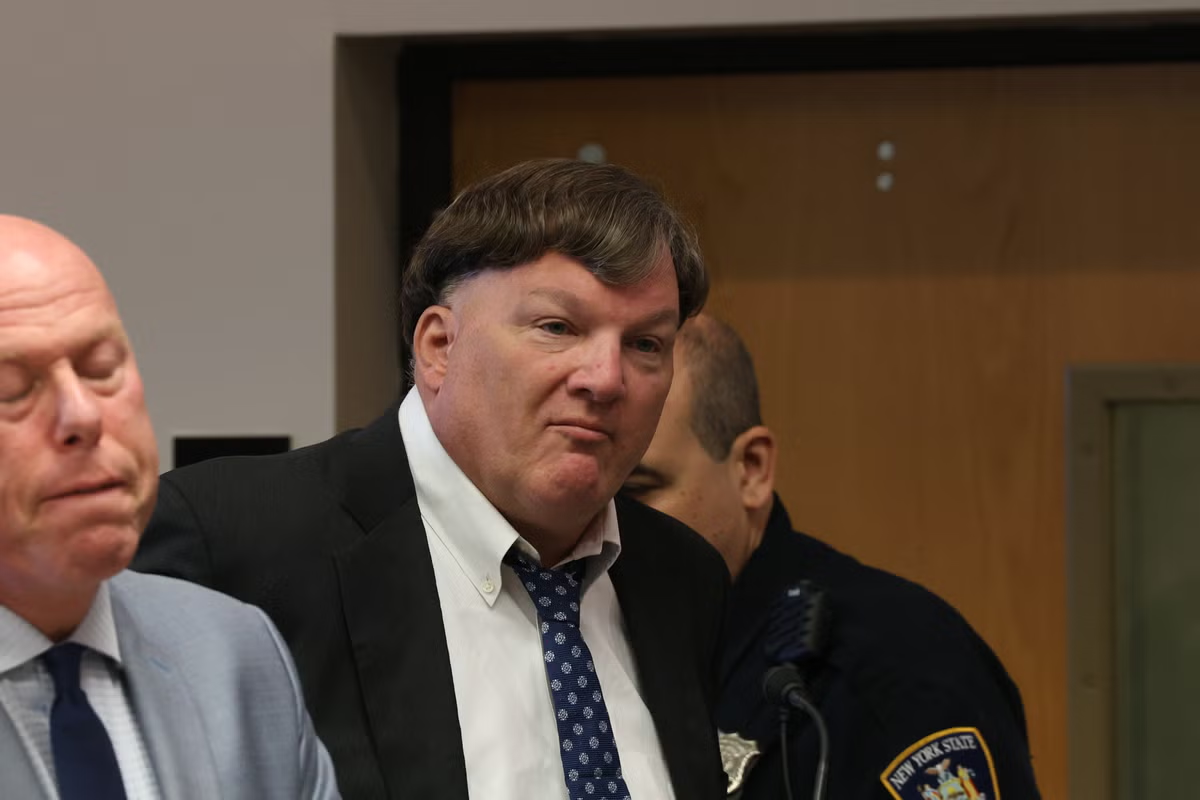
Heuermann returned to court April 8, 2026, where he switched his plea from not guilty to guilty. He also admitted to an eighth homicide – the 1996 killing of Karen Vergata, a Manhattan mother of two whose remains were found west of Gilgo Beach and on Fire Island, more than a decade apart.
The investigation into the crimes spanned decades, beginning with a 1993 killing and stretching through the 2010 disappearance of another woman that would ultimately expose a burial ground along a desolate stretch of Ocean Parkway. But an arrest wouldn’t come for 13 more years.
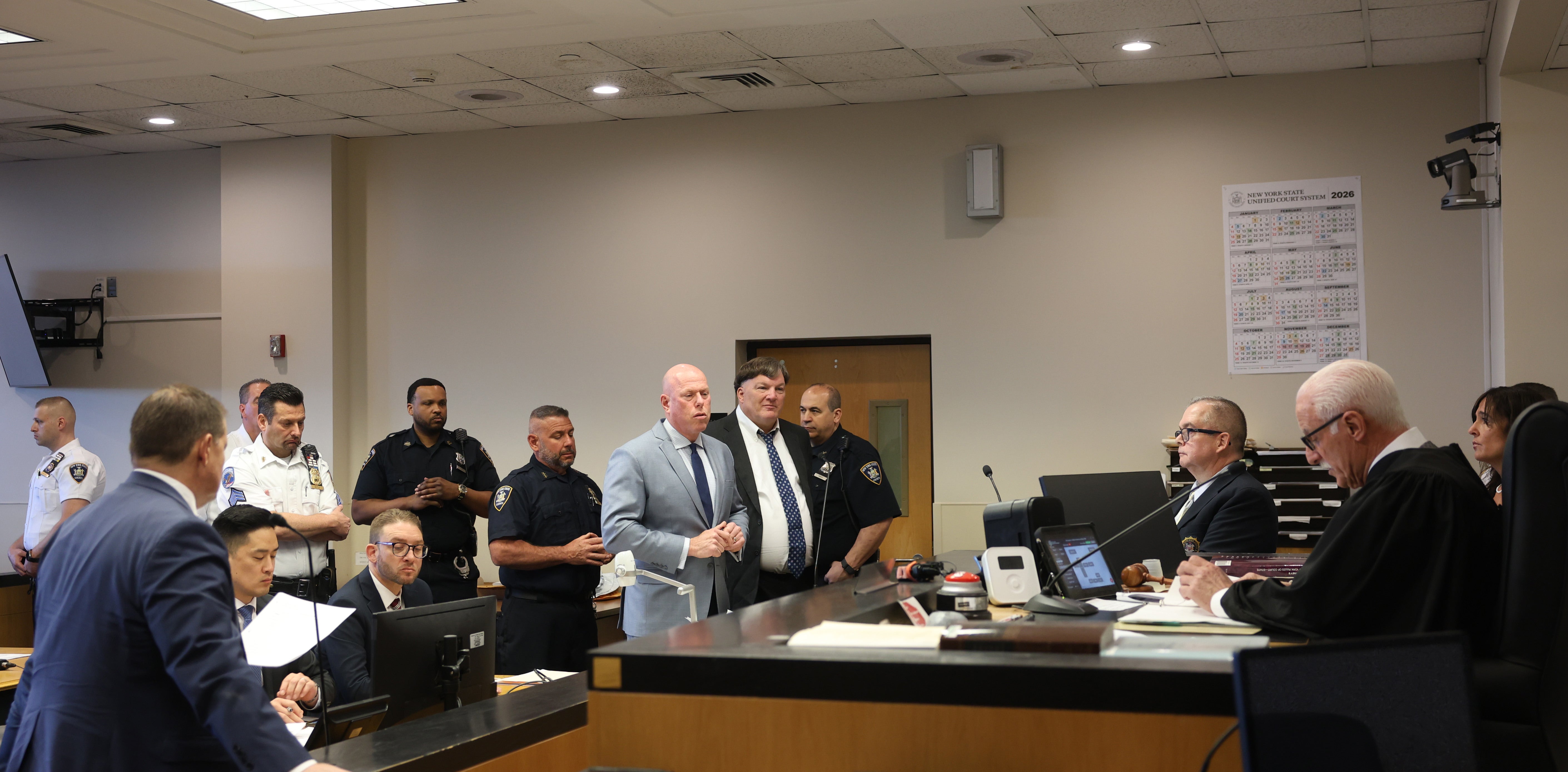
Who is Rex Heuermann?
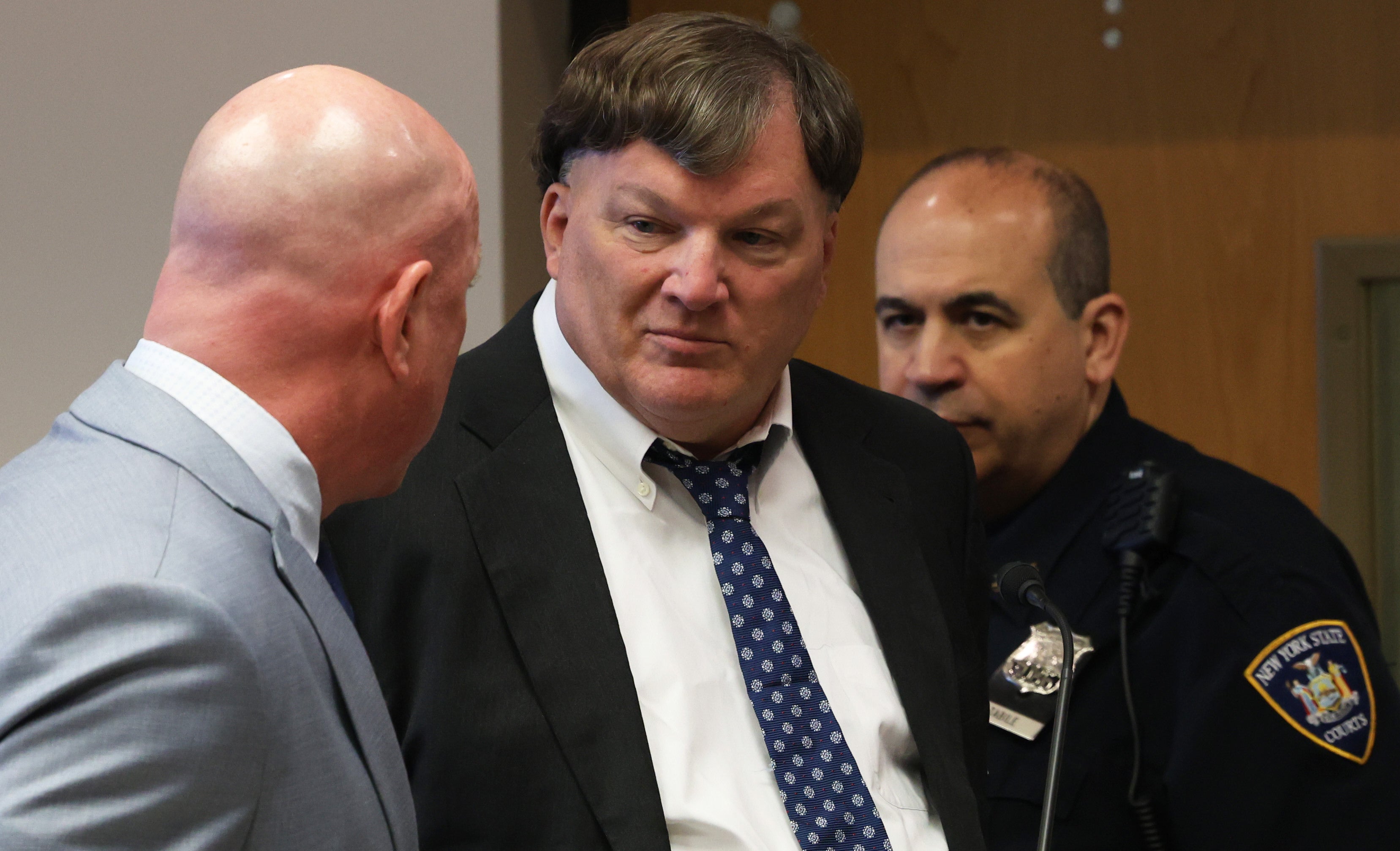
Rex Heuermann, a longtime Long Island resident, is a married father of two who lived in Massapequa Park. He commuted into Manhattan for his job as an architect at a company he founded, RH Consultants & Associates.
He was arrested on July 13, 2023, near his Midtown office, where authorities said key evidence, including cellphone data and burner phone activity, placed him in contact with several victims.
Heuermann lived in Massapequa Park, about 20 minutes from Gilgo Beach, with his wife, Asa Ellerup, and their adult children. Neighbors described him as a quiet, largely unremarkable family man, though others recalled unsettling encounters.
In his professional life, some acquaintances described him as arrogant or intense. Paul Teitelbaum, who worked with him, said Heuermann had a “swagger” and an attitude that said: “I’m the expert, you’re lucky to have me.”
Interior designer Dominique Vidal recalled repeated, unwanted calls and a “creepy” voicemail despite no working relationship.
Heuermann has lived on Long Island most of his life and attended Berner High School in Massapequa Park, where classmates described him as shy and socially awkward.
The Gilgo Beach killings: How the case began
A case that would eventually lead to Heuermann’s arrest began in May 2010 with the disappearance of 23-year-old Shannan Gilbert.
During a 21-minute 911 call, she pleaded for help: “There’s somebody after me…somebody’s after me, please.” She fled a client’s home in the early morning hours and vanished.
During a search for Gilbert in a dense thicket close to the beach, police discovered human remains. Within days, four victims had been found. By spring 2011, the number of victims rose to 10.
They first four victims became known as the “Gilgo Four” – Melissa Barthelemy, Maureen Brainard-Barnes, Amber Lynn Costello and Megan Waterman. All four of the women were in their 20s and worked as escorts.
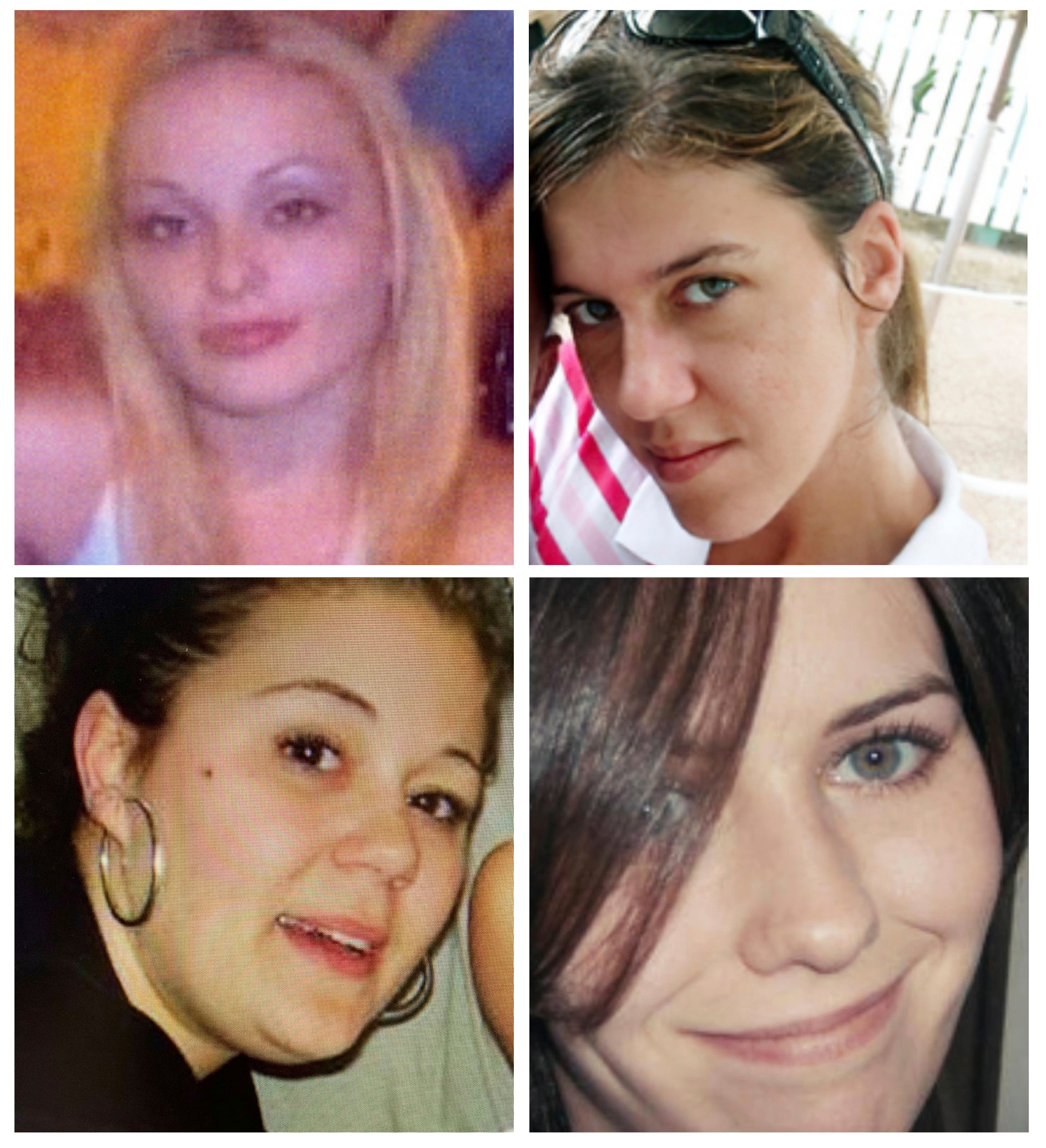
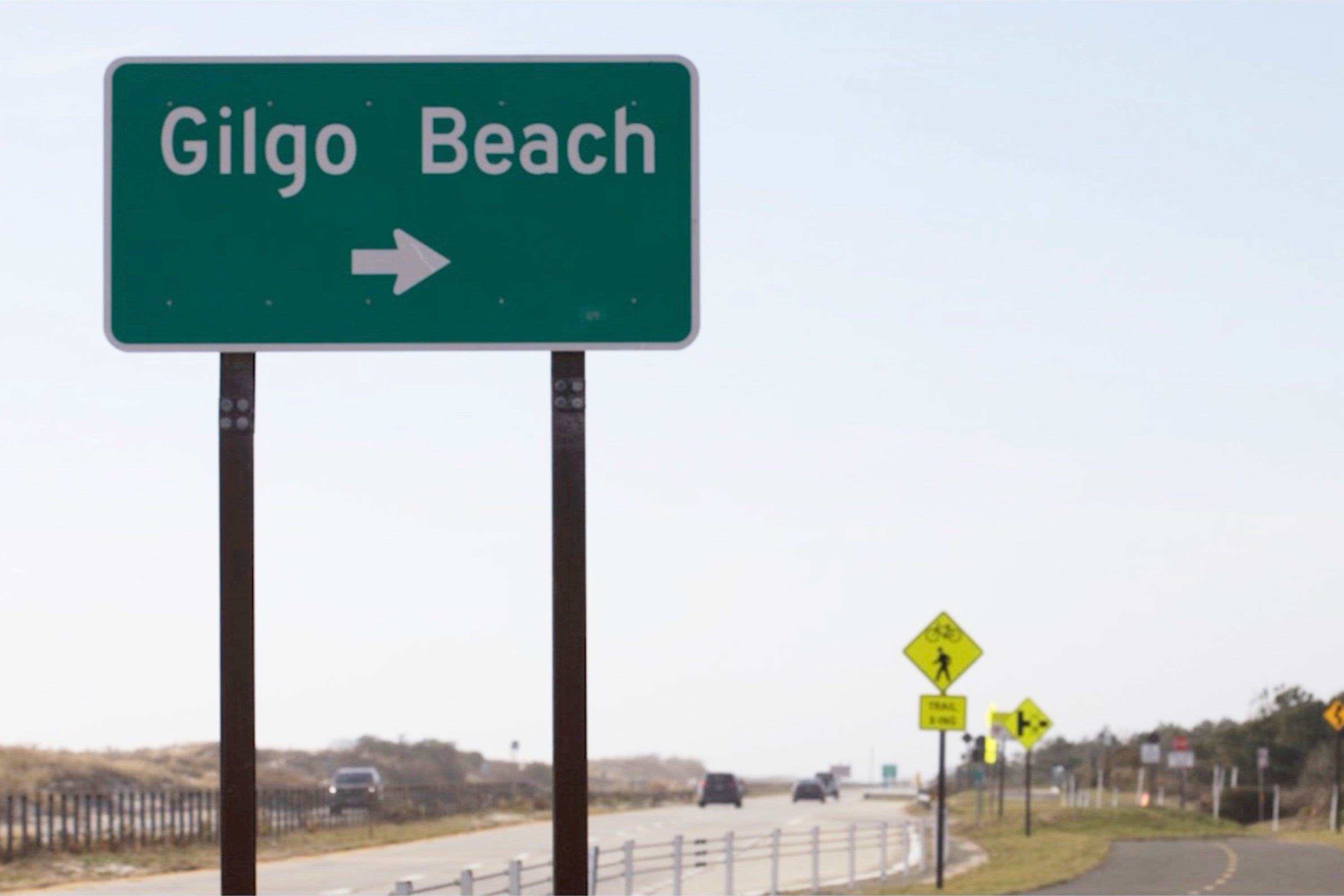
Over the next year, investigators uncovered more remains – eventually totaling at least 10 victims, including women, a man and a toddler.
Gilbert’s body was found in December 2011. But she has not been linked to Heuermann and authorities long maintained her death was accidental. Her family strongly disputed that conclusion.
Who are the victims?
Prosecutors charged Heuermann with the deaths of seven women.
Maureen Brainard-Barnes was 25 when she vanished in 2007. Her remains were found at Gilgo Beach in December 2010, police said. DNA belonging to Heuermann’s then-wife was found in hair recovered from a belt used to restrain Brainard-Barnes, according to an indictment.
Ellerup was not considered a suspect as she was out of state when Brainard-Barnes was killed.
Melissa Barthelemy, 24, went missing in July 2009. That same year, Barthelemy’s sister, Amanda Funderburg, said she had received several taunting phone calls that were believed to be from the killer, according to authorities.
Her remains were found in December 2010 along Ocean Parkway near the others.
Megan Waterman, 22, was last seen at a hotel in Hauppauge before her remains were found along Gilgo Beach in December 2010.
Amber Lynn Costello, 27, disappeared in September 2010 after leaving her home to meet a client. A witness described that client as “ogre-like” and driving a Chevrolet Avalanche, according to prosecutors.
Her remains were found in December 2010.
Court records show that Heuermann was linked to the “Gilgo Four” murders through a tip about his pickup truck, a stash of burner phones, “sadistic” online searches and phone calls taunting victims’ families.
Email accounts believed to have been used by Heuermann were used “to access and/or conduct searches related to pornography, rape, torture, and sex workers several thousand times,” prosecutors said.
His DNA was also found on one of the victims, while his wife’s hair was found on three of the four women he is connected to, according to prosecutors.
In June 2024, Heuermann was charged with two additional murders.
Sandra Costilla and Jessica Taylor were the first victims of Heuermann who were murdered before 2007.
Costilla, whose remains were found on November 20, 1993, on Cove Road in North Sea, a Southampton town, is the earliest known victim
Investigators suspected that convicted serial killer John Bittrolff was linked to Costilla’s murder, but he was never charged. He is currently serving a 50-year-to-life sentence at Clinton Correctional Center in Dannemora.
DNA evidence later linked Heuermann to the case.
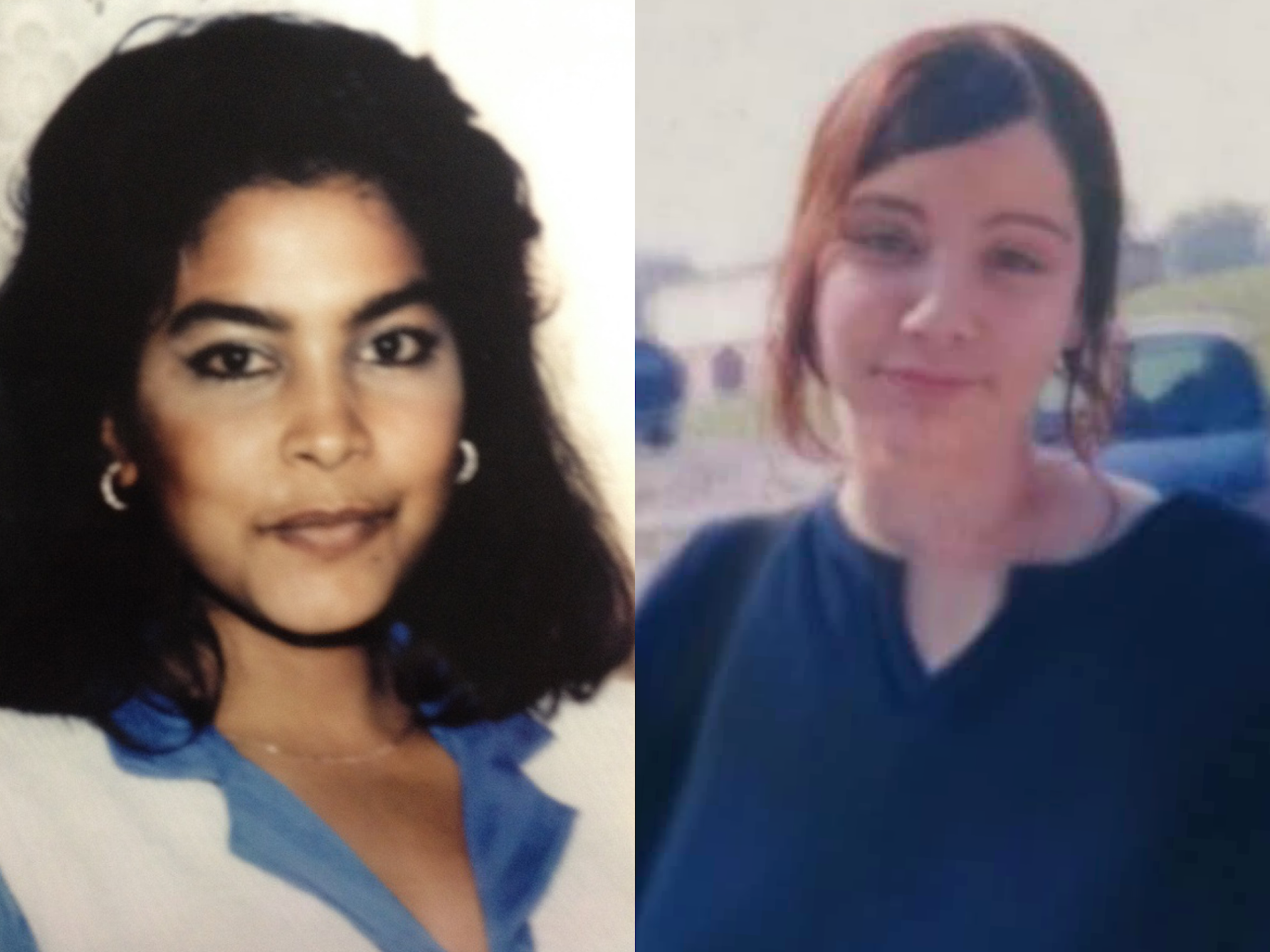
Taylor, a 20-year-old Poughkeepsie resident who worked as an escort in New York City, was found dismembered in a wooded area of Manorville, New York, on July 26, 2003. Her torso was found, but other parts were missing.
Those remains, including her head, hands and forearm, were discovered years later – along Ocean Parkway on March 29, 2011 – and initially labeled “Jane Doe No. 5.”
In December 2024, Heuermann was charged with the death of a seventh woman.
Valerie Mack, 24, whose remains were first found on Long Island in 2000, had been working as an escort in Philadelphia and was last seen by her family that year in New Jersey.
Some of Mack’s skeletal remains were initially discovered in Manorville, New York; authorities found more of her remains about 50 miles west, in Gilgo Beach, more than 10 years later. They were unidentified until genetic testing revealed her identity in 2020.
Human hair found with Mack’s remains was sent for testing earlier this year and found to be a likely match with the genetic profile of Heuermann’s daughter, prosecutors said in court papers. His daughter is not accused of any wrongdoing and would have been 3 or 4 years old when Mack died.
After pleading guilty to the seven killings Wednesday, Huermann also admitted that he “caused the death” of Karen Vergata and transported her body out to a remote spot. Vergata, a Manhattan mother of two, disappeared in 1996. Her remains were found west of Gilgo Beach and on Fire Island more than a decade apart.
How was Rex Heuermann caught?
For years, the Gilgo Beach killings remained unsolved.
The investigation was plagued by internal issues, including allegations that former Suffolk County police chief James Burke hindered cooperation with federal authorities. Burke later resigned and served prison time on unrelated charges.
But the case gained new momentum in 2018 and again in 2022 with renewed leadership and a dedicated task force.
Early clues pointed to a distinctive vehicle: a first-generation Chevrolet Avalanche seen by a witness in Amber Costello’s disappearance. That lead brought investigators to Heuermann.
From there, authorities built a case using cellphone records, burner phone data and location tracking. The phones used to contact victims were traced to areas near Heuermann’s home and Midtown office.
Investigators also linked him to the purchase and use of burner phones, including one tied to an online account.
Then came the crucial DNA evidence.
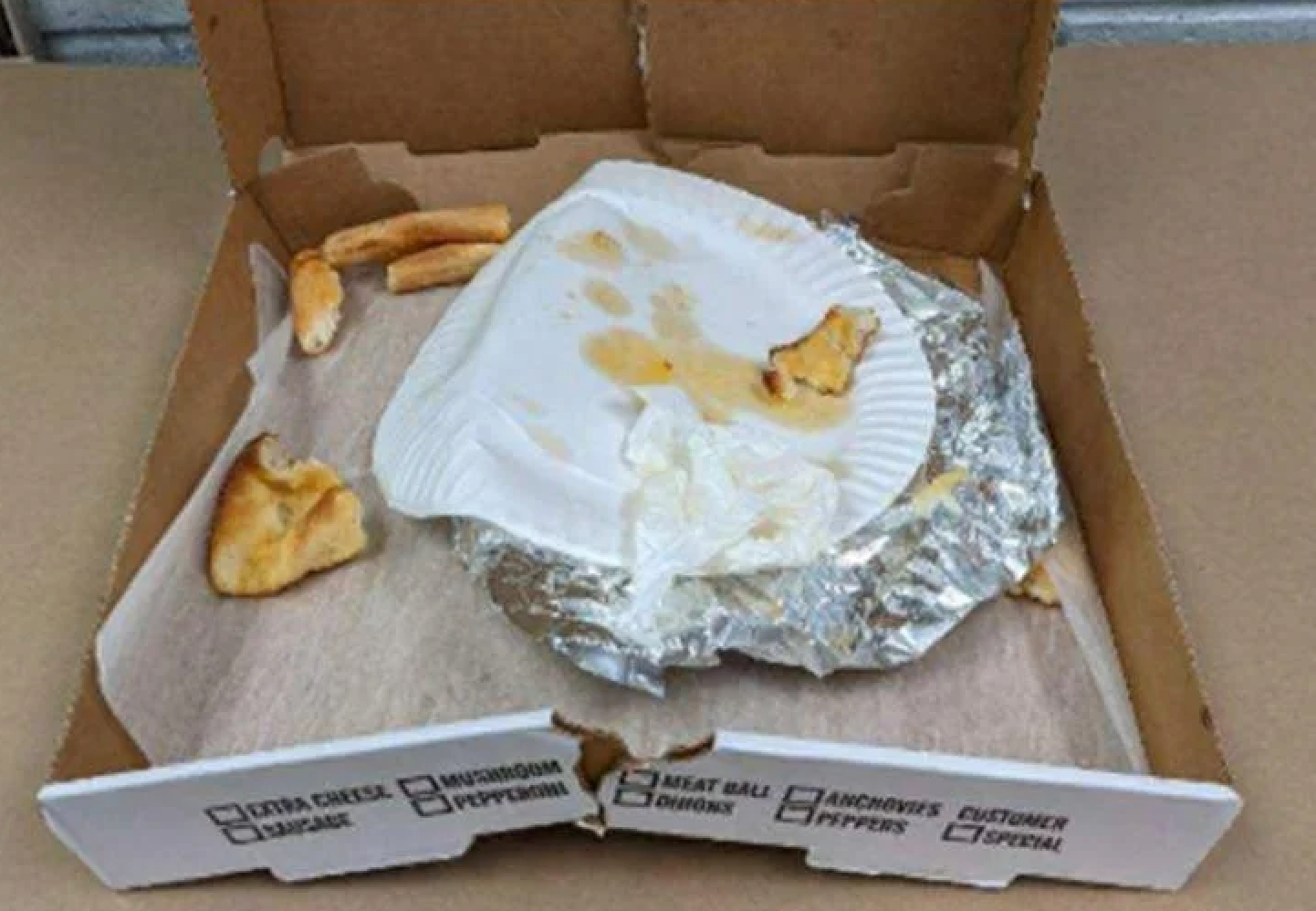
Surveillance teams observed Heuermann discarding a pizza box outside his Manhattan office. A lab tested DNA from the leftover crust and matched it to a hair found on burlap used to wrap Megan Waterman’s body.
“On March 14, 2022, the name Rex was first mentioned,” Suffolk County District Attorney Ray Tierney said during a press conference following the arrest.
“A New York state investigator was able to identify him in a database and from that point on we used the power of the grand jury, over 300 subpoenas and search warrants, looking into this individual’s background to bring us to this day.”
The DNA match – combined with digital evidence and witness accounts – led to his arrest in July 2023.
A ‘blueprint’ of crimes
In 2024, Suffolk County District Attorney Ray Tierney revealed that Heuermann kept a “blueprint” of his crimes on a hard drive in the basement of his Massapequa Park home, which was recently searched for a second time.
Tierney said Gilgo Beach Task Force believed “this planning document that was used by Heuermann to plot out his kills with excruciating detail.”
“His motivations, meticulous planning, and clear intent were obvious,” Tierney told reporters following the arraignment. “His intent was nothing short but to murder these victims.”
Attorney John Ray, who represents some of the victims’ families, called Heuermann a “stalker” who took great pleasure in hunting the women he killed.
The twisted document the killer kept in his home, which was released shortly before the hearing began, features a series of checklists with tasks to complete before, during and after the killings, as well as practical lessons for “next time.” Among the dozens of entries written are reminders to clean the bodies and destroy evidence, to “get sleep before hunt” and to “have story set.”
One section, titled “things to remember,” appears to highlight lessons from previous killings, prosecutors said, such as using heavier rope and limiting noise to maximize “play time.” A “body prep” checklist includes, among other items, a note to “remove head and hands.”
Ray said the digital data was essential to the charges against Heuermann and their quest for justice.
“The lives of these women matter,” Tierney said at the 2024 press conference. “No one understands that more than the families.”
About the Author