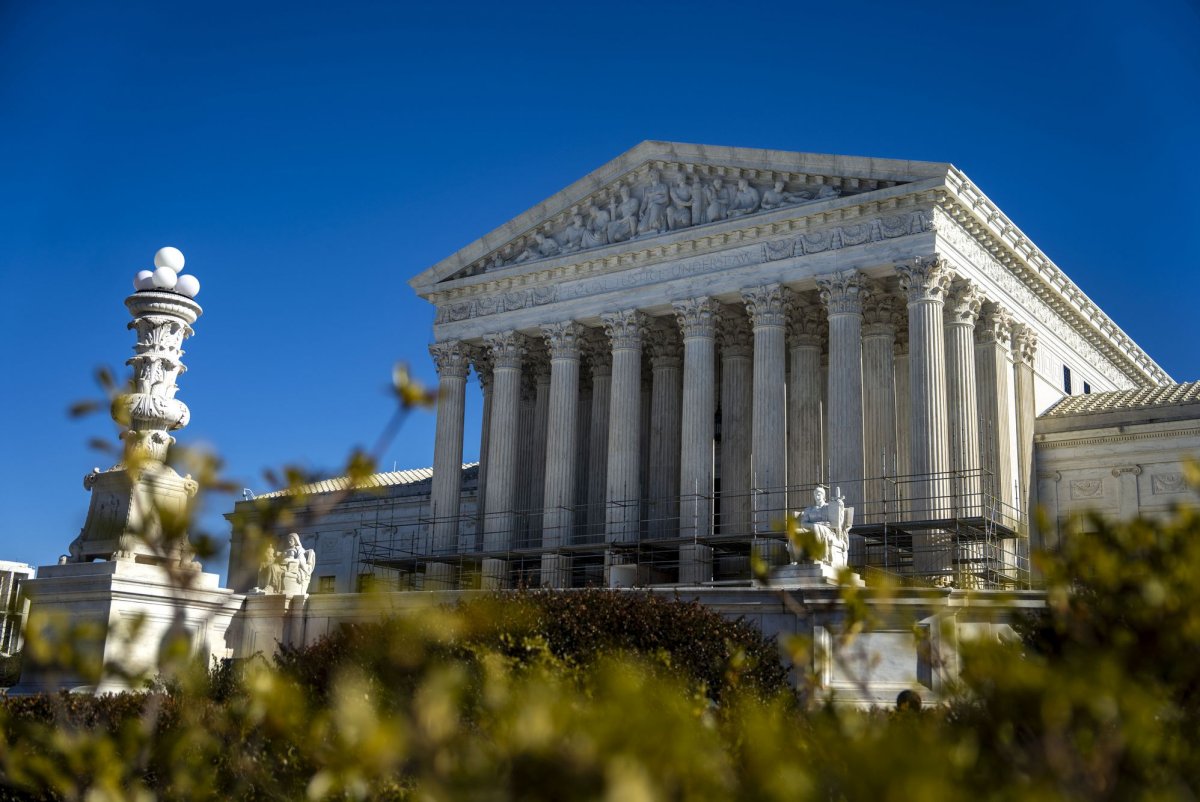
March 31 (UPI) — The U.S. Supreme Court on Tuesday overturned Colorado’s ban on conversion therapy, saying state governments can’t impose limits on what therapists can discuss with their patients.
The high court voted 8-1 against the ban on conversion therapy citing First Amendment protections. Justice Ketanji Brown Jackson was the lone dissent.
“The First Amendment stands as a shield against any effort to enforce orthodoxy in thought or speech in this country,” Justice Neil Gorsuch wrote for the majority.
Justice Elena Kagan — and joined by Justice Sonia Sotomayor — also wrote an opinion, saying she voted against Colorado in the case because the state’s law was one-sided and not viewpoint neutral. She notes that the law bans conversion therapy but “specifically allows a counselor to offer therapy expressing ‘acceptance, support’ and other affirmation of the minor’s ‘identity exploration.'”
“Once again, because the state has suppressed one side of a debate, while aiding the other, the constitutional issue is straightforward,” Kagan wrote.
In her dissent, Jackson pointed to medical experts’ opinions that conversion therapy can be “ineffective and harmful.” She agreed with the 10th U.S. Circuit Court of Appeals’ opinion that “there is a long-established history of states regulating the healthcare professions.”
“And, until today, the First Amendment has not blocked their way,” she wrote. “For good reason: Under our precedents, bedrock First Amendment principles have far less salience when the speakers are medical professionals and their treatment-related speech is being restricted incidentally to the state’s regulation of the provision of medical care.”
The case stems from a lawsuit by Kaley Chiles, a licensed counselor whose practice is based in Christianity who says the Colorado law prevents her from assisting her minor clients who seek “to live a life consistent with their faith.”
Conversion therapy can include psychological, behavioral, physical and faith-based practices that are intended to change a person’s sexual orientation or gender identification. Opponents point to evidence that it is harmful and leads to more serious psychological problems for people who experience it. Nearly half of states have banned it.
Critics call the technique a pseudoscience, and the American Psychological Association and several other mental health and LGBTQIA+ organizations have come out in opposition to its use.
Chiles said her practice uses only speech in its conversion therapy treatments and thus should be protected under the First Amendment.
Alliance Defending Freedom, which represented Chiles in the case, called Tuesday’s ruling “monumental.”
“Kids deserve real help affirming that their bodies are not a mistake and that they are wonderfully made,” ADF Chief Legal Counsel Jim Campbell said in a statement.
“The U.S. Supreme Court’s decision today is a significant win for free speech, common sense and families desperate to help their children. States cannot silence voluntary conversions that help young people seeking to grow comfortable with their bodies.”
Ahead of the ruling, Colorado Attorney General Phil Weiser said a Supreme Court decision to strike down Colorado’s law could imperil not only efforts to prevent conversion therapy but other healthcare treatments that medical experts say are harmful or ineffective.
“The Supreme Court got it wrong by protecting so-called conversion therapy as speech,” he said in a statement Tuesday. “It’s harmful, widely rejected, and we must do all we can to protect LGBTQ youth.”
About the Author