A man climbs a staircase next to a portrait of Ernesto ‘Che’ Guevara in Havana on Friday). The United States have prevented oil shipments to Cuba for months, except for one Russian tanker, Photo by Ernesto Mastrascusa/EPA
April 13 (UPI) — Cuba’s fuel shortages are disrupting the distribution of humanitarian aid managed by the Catholic Church and international organizations as the island’s basic services continue to deteriorate.
The crisis has particularly affected Caritas Cuba, one of the country’s main social assistance channels, which relies heavily on local transportation networks to deliver food and hygiene supplies to vulnerable communities, according to CiberCuba.
Miami Archbishop Thomas Wenski told USA Today in an interview Sunday that aid shipments are being distributed through improvised means with almost no motorized transport because of gasoline shortages.
Wenski, who has coordinated aid shipments from South Florida for three decades, said Cubans have told him the island is approaching “ground zero” of humanitarian collapse.
Organizations linked to Caritas say more people are turning to soup kitchens for food, underscoring worsening food insecurity among vulnerable populations, digital outlet CubitaNow reported.
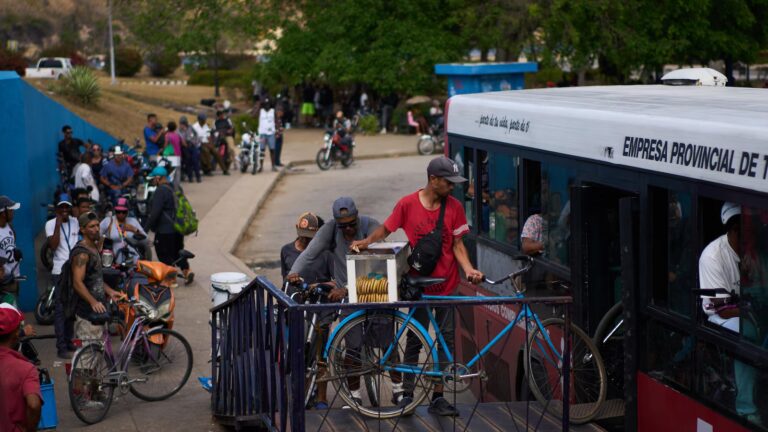
Cuba has faced increasingly frequent blackouts, chronic shortages of food and medicine and a transportation system largely paralyzed by fuel scarcity in recent years.
The arrest of Nicolás Maduro by the United States interrupted Venezuelan oil shipments of between 25,000 and 35,000 barrels per day that had supplied most of Cuba’s fuel needs, worsening the energy crisis. Mexico also suspended shipments following sanctions imposed by Trump administration.
According to United Nations reports, about 170 containers of essential goods valued at $6.3 million remain stranded at ports because of the fuel shortage.
Francisco Pichón, the U.N. resident coordinator in Cuba, warned that the country’s humanitarian situation continues to deteriorate as the energy crisis compounds damage caused by Hurricane Melissa.
Despite limited fuel deliveries, including a recent Russian oil shipment, Pichón said “humanitarian needs in the country remain very urgent and persistent.”
He said more than 96,000 surgeries have been postponed, including 11,000 involving children. Another 32,000 pregnant women face heightened risk because of unstable prenatal care access, while 3,000 children are experiencing vaccination delays.
Nearly 500,000 children and teenagers are attending shortened school days.
About 1 million people have been affected by water shortages because they depend on trucked water deliveries.
Pichón noted that Cuba has the oldest population in Latin America, increasing the vulnerability of elderly residents amid the crisis.
The United Nations system and the Office for the Coordination of Humanitarian Affairs have proposed a $94.1 million plan to import fuel specifically for humanitarian use and sustain essential services that include healthcare and water access.
About the Author